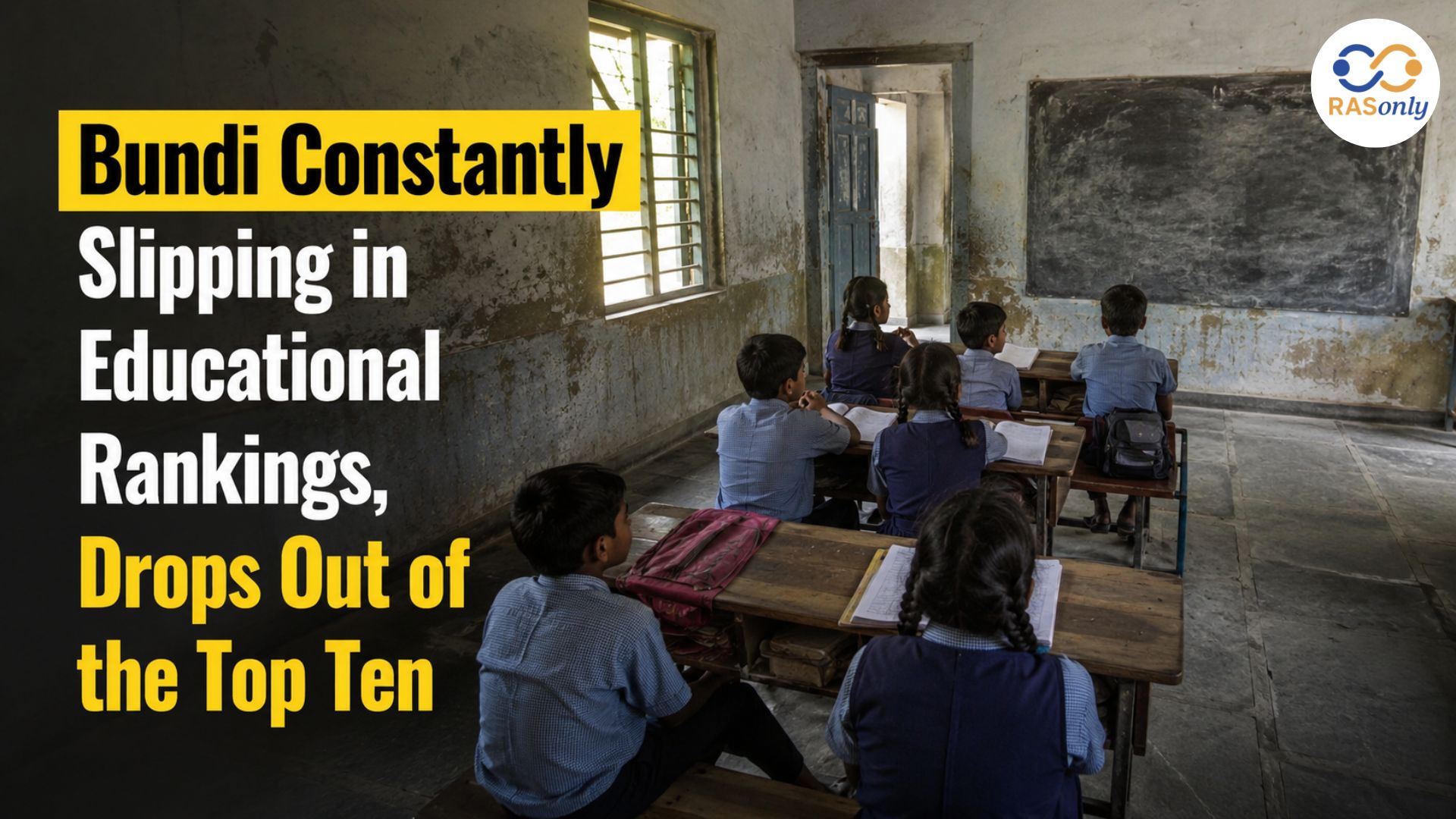
Historically known as 'Chhoti Kashi', the district of Bundi has been a regular top performer in the state education scenario, but the performance in the last 5 months has been steadily downhill. The Directorate of Secondary Education's latest monthly report has shown that Bundi has moved further back than it has been in the past to be the 15th in the state. The monthly evaluation, in which districts are measured on 12 different parameters, revealed that Sikar district to be the top one and Jaisalmer district to be at the bottom.Bundi's average evaluation score is 27 while the state's average score is 25.61. Departmental officials state that there is a critical need to correct performance at all the administrative blocks in the region. If the Nainwa and Keshoraipatan blocks can boost their teaching standards and reporting then Bundi can once again make the top five, educational professionals say. More significantly, none of the blocks in the Bundi district appeared in the top 150 blocks across the state in the May ranking report, giving a clear call to action for administrative control to move from desk-based activity to field inspections to remediate systemic issues.
The Ranking Report will include the following key features
- The Directorate of Secondary Education, Rajasthan has released the educational ranking report for May 2026.
- Bundi district has been consistently declining and slipped from its 14th position in state in April to 15th in May.
- Sikar district has won the 1st rank with the highest score in Rajasthan whereas Jaisalmer has occupied the last rank.
- The state's overall average institutional score was 25.61, just exceeding the score of Bundi, which was 27.
- However, what was noticed was that a lot of administrative blocks from Bundi were not in the top 150 blocks of the state of Rajasthan.
- The regional administration identified Nainwa and Keshoraipatan blocks as the weakest blocks which needed an immediate structural improvement.
Evaluation Framework (12 Focus Parameters)
The detailed educational performance by the district is rigorously measured every month using 12 indicators as follows:
Institutional Philanthropy & Enrollment
Assessing public funding that institutions receive, student enrollment increases across schools and the decrease of drop-out rates.
Daily Attendance & Digitization
Attendance tracking via daily digital recording and tracking of entries into the online system for real-time analysis of digital attendance.
Academic Programs & Incentives
Planning and leading curricular and co-curricular educational events as well as giving student scholarships and performance awards.
Resource Allocation & Literacy
Evaluate the circulation and distribution of library materials for the achievement of optimum student use.
Identity Authentication & Compliance
Systematic linking and verification of basic citizen identity databases as a basis for student profiles.
Decentralized Governance
Adequate and well-documented SMC (School Management Committee) and SDMC (School Development and Management Committee) Meetings.
Technological Infrastructure
The measurement of the use, maintenance and routine use of Information and Communication Technology (ICT) labs in schools.
Community Engagement
Assessment of parental involvement and tracking of participation at Parent-Teacher Meetings (PTMs) and in the community.
Physical Infrastructure & Sports
Assessing the readiness of school playgrounds for physical activity development, clearance and use.
Quality of Instruction
Assessing the quality of daily classroom instruction based on a set of pedagogical principles.
Administrative Oversight
Examining the frequency, depth and structural follow up actions identified within official school inspection reports.
Learning Outcomes
Measuring and making regular learning level assessments of the learning level of concepts.
Objectives and Benefits
Objectives
- To develop its healthy competitive federalism to enhance quality of school education in the state of Rajasthan.
- To assess the performance of schools, blocks and districts at the micro level, in a transparent manner, each month.
- Identify administrative and geographical limitations that contribute to learning loss.
- To hold the field officers and institutional heads accountable using data-based governance.
Benefits
- Supplies empirical data to state policy makers for reallocating resources to lagging areas.
- Encourages local block officials to be proactive in overseeing poorly performing rural schools.
- Builds upon transparency of the implementation of state educational welfare policies at the ground level.
- Motivates local communities (SMCs/SDMCs) to be responsible for school infrastructure improvements.
Importance of Decentralized Monitoring
This ranking not only formulating policy at the state level, but of also having strong decentralized monitoring systems in place if a grass-root change is to be effected. For high-performing districts such as Bundi, the fall is a reminder of the importance of regular district monitoring and field checks. To overcome these institutional gaps, communication gap between the desk officers of the directorate and the blocks in the remote rural areas has to be bridged so as to achieve high public welfare operational efficiency.
Conclusion
Educational ranking report of May 2026 highlights the fact that a historically leading district like Bundi (Chhoti Kashi) has remained outside the top 10 for five consecutive months and slipped to the 15th position.Under this, continuous supervision at the ground level must be strengthened in underperforming blocks such as Nainwa and Keshoraipatan. Thus, only through a balanced integration of infrastructure (such as ICT labs and playgrounds), community participation (PTM/SMC meetings), and digital facilities (Aadhaar / Jan-Aadhaar authentication) can an inclusive, accessible, and quality educational ecosystem be built in the state, in line with the vision of 'Viksit Bharat'.
MCQs
MCQ 1: Which district secured the first position in the monthly educational ranking report released by the Directorate of Secondary Education for May 2026?
A. Jaipur
B. Bundi
C. Sikar
D. Jaisalmer
Answer: C. Sikar
Explanation: According to the ranking report released by the Directorate of Secondary Education, Sikar district achieved the first position in the state, whereas Jaisalmer was placed at the bottom.
MCQ 2: On how many specific performance parameters or focus areas does the Directorate of Secondary Education evaluate and release monthly district-wise rankings?
A. 10 parameters
B. 12 parameters
C. 15 parameters
D. 9 parameters
Answer: B. 12 parameters
Explanation: The state evaluation framework relies on exactly 12 key indicators, which include metrics like daily attendance, ICT lab utility, identity authentication, and school inspection reports.
MCQ 3: Bundi district dropped out of the top ten educational rankings, slipping down to which specific position in the state for the month of May 2026?
A. 12th Position
B. 14th Position
C. 15th Position
D. 20th Position
Answer: C. 15th Position
Explanation: After consistently staying out of the top ten for five months, Bundi district dropped from its April rank of 14th to secure the 15th position in the state during the May evaluation.
शैक्षिक रैंकिंग में लगातार फिसल रहा बूंदी, टॉप टेन से जिला बाहर
ऐतिहासिक रूप से 'छोटी काशी' के नाम से प्रसिद्ध बूंदी जिला राज्य की शिक्षा व्यवस्था में हमेशा शीर्ष प्रदर्शन करने वाले जिलों में शामिल रहा है, लेकिन पिछले 5 महीनों से इसका प्रदर्शन लगातार गिरावट की ओर है। माध्यमिक शिक्षा निदेशालय की नवीनतम मासिक रिपोर्ट के अनुसार बूंदी जिला और पीछे खिसककर राज्य में 15वें स्थान पर पहुंच गया है। 12 विभिन्न मानकों पर जिलों का मूल्यांकन करने वाली इस मासिक रैंकिंग में सीकर जिला प्रथम स्थान पर रहा, जबकि जैसलमेर जिला अंतिम स्थान पर रहा।बूंदी का औसत मूल्यांकन स्कोर 27 है, जबकि राज्य का औसत स्कोर 25.61 है। विभागीय अधिकारियों का कहना है कि जिले के सभी प्रशासनिक ब्लॉकों में प्रदर्शन सुधारने की तत्काल आवश्यकता है। शिक्षा विशेषज्ञों के अनुसार यदि नैनवां और केशोरायपाटन ब्लॉक अपने शिक्षण स्तर और रिपोर्टिंग व्यवस्था में सुधार करें, तो बूंदी पुनः राज्य के शीर्ष पांच जिलों में स्थान बना सकता है।सबसे महत्वपूर्ण बात यह रही कि मई रैंकिंग रिपोर्ट में बूंदी जिले का कोई भी ब्लॉक राज्य के शीर्ष 150 ब्लॉकों में शामिल नहीं हो पाया। यह प्रशासन के लिए स्पष्ट संकेत है कि केवल कार्यालय आधारित कार्यों के बजाय क्षेत्रीय निरीक्षणों को बढ़ाया जाए और जमीनी स्तर की समस्याओं का समाधान किया जाए।
रैंकिंग रिपोर्ट की प्रमुख विशेषताएं
• माध्यमिक शिक्षा निदेशालय, राजस्थान ने मई 2026 की शैक्षिक रैंकिंग रिपोर्ट जारी की है।
• बूंदी जिला लगातार पिछड़ रहा है और अप्रैल में 14वें स्थान से फिसलकर मई में 15वें स्थान पर पहुंच गया।
• राजस्थान में सर्वाधिक अंक प्राप्त कर सीकर जिले ने प्रथम स्थान प्राप्त किया, जबकि जैसलमेर अंतिम स्थान पर रहा।
• राज्य का औसत संस्थागत स्कोर 25.61 रहा, जबकि बूंदी का स्कोर 27 था।
• उल्लेखनीय तथ्य यह रहा कि बूंदी जिले का कोई भी प्रशासनिक ब्लॉक राजस्थान के शीर्ष 150 ब्लॉकों में शामिल नहीं हो पाया।
• क्षेत्रीय प्रशासन ने नैनवां और केशोरायपाटन ब्लॉकों को सबसे कमजोर ब्लॉक के रूप में चिन्हित किया, जहां तत्काल संरचनात्मक सुधार की आवश्यकता है।
मूल्यांकन ढांचा (12 प्रमुख मानक)
जिले के शैक्षिक प्रदर्शन का प्रत्येक माह निम्नलिखित 12 संकेतकों के आधार पर विस्तृत मूल्यांकन किया जाता है:
संस्थागत सहयोग एवं नामांकन
विद्यालयों को प्राप्त जनसहयोग, छात्र नामांकन में वृद्धि तथा ड्रॉपआउट दर में कमी का मूल्यांकन।
दैनिक उपस्थिति एवं डिजिटलीकरण
डिजिटल माध्यम से दैनिक उपस्थिति रिकॉर्ड करना तथा ऑनलाइन प्रणाली में डेटा प्रविष्टि की निगरानी।
शैक्षणिक कार्यक्रम एवं प्रोत्साहन
पाठ्यक्रम एवं सह-पाठ्यक्रम गतिविधियों का आयोजन तथा छात्रवृत्ति एवं पुरस्कार वितरण।
संसाधन वितरण एवं साक्षरता
पुस्तकालय सामग्री के वितरण और विद्यार्थियों द्वारा उसके उपयोग का मूल्यांकन।
पहचान प्रमाणीकरण एवं अनुपालन
विद्यार्थियों की प्रोफाइल के लिए पहचान संबंधी डेटाबेस का सत्यापन एवं लिंकिंग।
विकेन्द्रीकृत प्रशासन
एसएमसी (School Management Committee) तथा एसडीएमसी (School Development and Management Committee) बैठकों का नियमित एवं दस्तावेजीकृत आयोजन।
तकनीकी अवसंरचना
विद्यालयों में सूचना एवं संचार प्रौद्योगिकी (ICT) लैब की उपलब्धता, रखरखाव और उपयोग का मूल्यांकन।
सामुदायिक सहभागिता
अभिभावकों की भागीदारी तथा अभिभावक-शिक्षक बैठक (PTM) में उपस्थिति की समीक्षा।
भौतिक अवसंरचना एवं खेल
खेल मैदानों की उपलब्धता, उपयोग और शारीरिक गतिविधियों के लिए उनकी तैयारी का मूल्यांकन।
शिक्षण गुणवत्ता
दैनिक कक्षा शिक्षण की गुणवत्ता और शिक्षण पद्धतियों का आकलन।
प्रशासनिक पर्यवेक्षण
विद्यालय निरीक्षण रिपोर्टों की आवृत्ति, गुणवत्ता तथा अनुपालन कार्यवाही की समीक्षा।
अधिगम परिणाम
विद्यार्थियों के सीखने के स्तर और अवधारणात्मक समझ का नियमित मूल्यांकन।
उद्देश्य एवं लाभ
उद्देश्य
• राजस्थान में विद्यालयी शिक्षा की गुणवत्ता सुधारने हेतु स्वस्थ प्रतिस्पर्धात्मक व्यवस्था विकसित करना।
• विद्यालय, ब्लॉक और जिला स्तर पर प्रत्येक माह पारदर्शी तरीके से प्रदर्शन का मूल्यांकन करना।
• अधिगम हानि (Learning Loss) में योगदान देने वाली प्रशासनिक एवं भौगोलिक चुनौतियों की पहचान करना।
• डेटा आधारित प्रशासन के माध्यम से क्षेत्रीय अधिकारियों और संस्थागत प्रमुखों की जवाबदेही सुनिश्चित करना।
लाभ
• पिछड़े क्षेत्रों में संसाधनों के पुनर्वितरण हेतु नीति निर्माताओं को तथ्यात्मक एवं प्रमाण आधारित आंकड़े उपलब्ध कराता है।
• स्थानीय ब्लॉक अधिकारियों को कमजोर प्रदर्शन करने वाले ग्रामीण विद्यालयों की निगरानी के लिए प्रेरित करता है।
• राज्य की शैक्षिक कल्याणकारी योजनाओं के जमीनी क्रियान्वयन में पारदर्शिता बढ़ाता है।
• स्थानीय समुदायों (SMCs/SDMCs) को विद्यालय अवसंरचना सुधार में सक्रिय भूमिका निभाने के लिए प्रेरित करता है।
विकेन्द्रीकृत निगरानी का महत्व
यह रैंकिंग केवल राज्य स्तर पर नीति निर्माण का माध्यम नहीं है, बल्कि यह भी दर्शाती है कि जमीनी स्तर पर परिवर्तन लाने के लिए मजबूत विकेन्द्रीकृत निगरानी व्यवस्था कितनी आवश्यक है। बूंदी जैसे उच्च प्रदर्शन वाले जिले का पिछड़ना इस बात की याद दिलाता है कि नियमित जिला स्तरीय निगरानी और क्षेत्रीय निरीक्षण कितने महत्वपूर्ण हैं।इन संस्थागत कमियों को दूर करने के लिए निदेशालय स्तर के अधिकारियों और दूरस्थ ग्रामीण क्षेत्रों के ब्लॉकों के बीच संचार अंतराल को समाप्त करना आवश्यक है, ताकि जनकल्याणकारी योजनाओं का प्रभावी और कुशल क्रियान्वयन सुनिश्चित किया जा सके।
निष्कर्ष
मई 2026 की शैक्षिक रैंकिंग रिपोर्ट इस तथ्य को रेखांकित करती है कि ऐतिहासिक रूप से अग्रणी रहे बूंदी (छोटी काशी) जैसे जिले का लगातार पाँच महीनों तक शीर्ष 10 से बाहर रहना और 15वें स्थान पर पहुंच जाना चिंता का विषय है। इसके अंतर्गत नैनवां और केशोरायपाटन जैसे कमजोर प्रदर्शन वाले ब्लॉकों में जमीनी स्तर पर निरंतर निगरानी को सुदृढ़ किया जाना चाहिए। इस प्रकार, केवल अवसंरचना (जैसे ICT लैब और खेल मैदान), सामुदायिक सहभागिता (PTM/SMC बैठकें) तथा डिजिटल सुविधाओं (आधार/जन-आधार प्रमाणीकरण) के संतुलित एकीकरण के माध्यम से ही राज्य में एक समावेशी, सुलभ और गुणवत्तापूर्ण शैक्षिक पारिस्थितिकी तंत्र का निर्माण किया जा सकता है, जो 'विकसित भारत' के दृष्टिकोण के अनुरूप हो।
बहुविकल्पीय प्रश्न (MCQs)
MCQ 1: मई 2026 के लिए माध्यमिक शिक्षा निदेशालय द्वारा जारी मासिक शैक्षिक रैंकिंग रिपोर्ट में प्रथम स्थान किस जिले ने प्राप्त किया?
A. जयपुर
B. बूंदी
C. सीकर
D. जैसलमेर
उत्तर: C. सीकर
व्याख्या: माध्यमिक शिक्षा निदेशालय द्वारा जारी रैंकिंग रिपोर्ट के अनुसार सीकर जिले ने राज्य में प्रथम स्थान प्राप्त किया, जबकि जैसलमेर अंतिम स्थान पर रहा।
MCQ 2: माध्यमिक शिक्षा निदेशालय मासिक जिला स्तरीय रैंकिंग जारी करने के लिए कितने प्रमुख प्रदर्शन मानकों (Focus Parameters) का उपयोग करता है?
A. 10 मानक
B. 12 मानक
C. 15 मानक
D. 9 मानक
उत्तर: B. 12 मानक
व्याख्या: राज्य का मूल्यांकन ढांचा कुल 12 प्रमुख संकेतकों पर आधारित है, जिनमें दैनिक उपस्थिति, ICT लैब उपयोग, पहचान प्रमाणीकरण तथा विद्यालय निरीक्षण रिपोर्ट जैसे मानक शामिल हैं।
MCQ 3: बूंदी जिला मई 2026 की शैक्षिक रैंकिंग में राज्य में किस स्थान पर पहुंच गया?
A. 12वां स्थान
B. 14वां स्थान
C. 15वां स्थान
D. 20वां स्थान
उत्तर: C. 15वां स्थान
व्याख्या: लगातार पांच महीनों से शीर्ष दस से बाहर रहने के बाद बूंदी जिला अप्रैल में 14वें स्थान से फिसलकर मई 2026 में 15वें स्थान पर पहुंच गया
