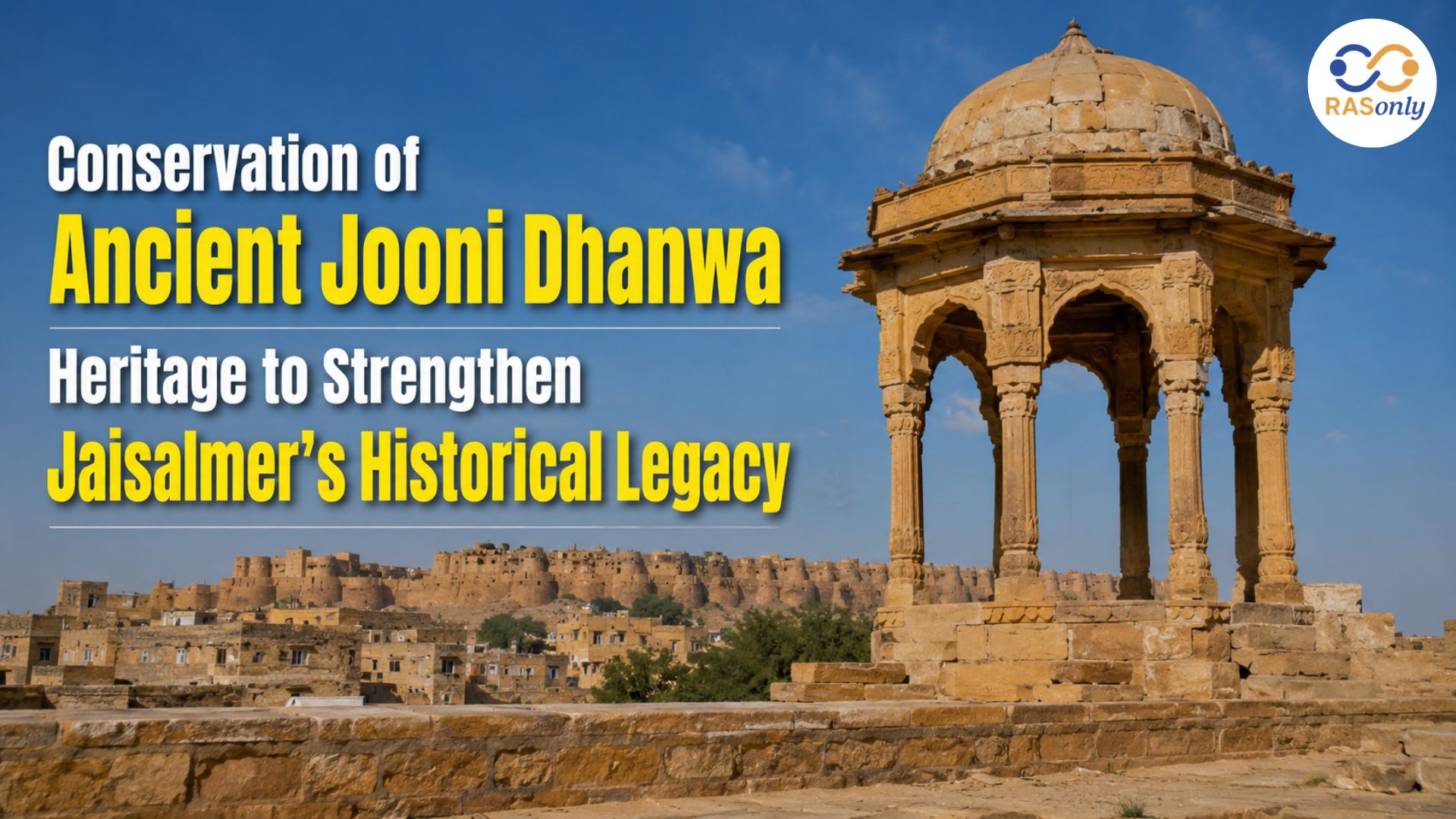
Jaisalmer is home to numerous historical forts, palaces, and tombs, each contributing to the city's rich cultural heritage. The city has many historical forts, palaces and tombs, which add to the rich cultural heritage of Jaisalmer. Historical site of Jooni Dhanwa at Jaisalmer's recent archaeological study, administrative survey and religious activity has once again brought it into limelight. This is an important testimony to the history, culture, architecture and traditional water conservation methods of the Paliwal civilization. About 17 kilometers away from Jaisalmer city on the Dabla Road, the ruins of Jooni Dhanwa still bear witness to a flourishing and well-developed settlement at one time. The conservation and development work of this historical heritage has now acquired fresh impetus.
The Key Features of Jooni Dhanwa Are as Follows
- Jooni Dhanwa is an ancient historical site, which is about 17 km from Jaisalmer city.
- It relates to the rich heritage of the Paliwal civilization.
- Remnants of ancient houses, temples, ponds, wells, stepwells and measures for water conservation are found in the site.
- It is a major specimen of traditional systems of desert water use.
- It has been identified by the recent archaeological and administrative surveys as a site requiring conservation and development.
- The site is considered to have high potential for transforming into a major heritage tourism site in Jaisalmer, according to experts.
Historical Significance
Around 700-800 families in Jooni Dhanwa used to reside earlier. The settlement featured:
- Residential structures
- Ancient temples
- Large ponds and reservoirs
- Kunds (water tanks)
- Beris (traditional wells)
- Baoris (stepwells)
- Agricultural water facilities (for animals)
The structures represent a very structured social organization and a sophisticated water management system in the desert. Its layout and the expertise in urban planning and architecture are also evident, given its location amidst the hills.
The techniques adopted for water harvesting and conservation in an area with scarce water resources continue to attract the attention of researchers and historians.
The archaeological research and findings are on display. The archaeological research and findings are exhibited.
Research Study
A detailed study of Jooni Dhanwa area was done by researchers Dilip Mali and Parth Jagani in January 2025.
During the study:
- Significant relics have been found that are related to the Mughal period.
- A few old coins were also found.
- The findings were confirmed with the help of the renowned archaeologist Dr. Jeevansingh Rathore of Rajasthan.
The results indicate that Jooni Dhanwa was a continuous settlement throughout the historical periods and was a socio-economic hub.
Administrative Survey
The district administration carried out a survey of the site in May 2025.
The survey was on the following aspects:
- Archaeological remains
- Traditional water structures
- Ancient temples
- Conservation requirements
- Tourism development opportunities
After the survey, the local level discussions about the preservation and promotion of the site escalated.
Present Status of the Site
The old temples at Jooni Dhanwa are being taken care by Satyanarayan Joshi now.
Through his work, a number of religious and cultural activities are organised regularly such as:
- Krishna Janmashtami celebrations
- Diwali festivals
- Phagotsav (Holi-related festivities)
Due to these activities, public interest has been revived again in this site, and it has been converted back into a place of faith and community participation.
The sites may be used for heritage tourism and research. The potential of heritage tourism and research is possible.
Experts believe that with:
- Scientific conservation measures
- The development of infrastructure that meets basic needs
- Planned tourism initiatives
Jooni Dhanwa can be a prominent heritage tourism site of Jaisalmer.
The site is also a potential research centre for the study of:
- Paliwal civilization
- Desert life and adaptation
- Traditional water saving methods
- Historical settlement planning
Need for Conservation
The ruins of Jooni Dhanwa are not just ancient sites; they are a testament to the cultural heritage, social history, and architectural prowess of Rajasthan.
It is important for its conservation because:
- It maintains historic and archaeological artifacts.
- It contributes to the understanding of future generations of their own cultural heritage.
- It encourages heritage awareness and education.
- It helps the economic development based on tourism.
- It benefits academic and archeological studies.
Importance of Public Participation
It is not the government's only duty to protect Jooni Dhanwa.
Effective conservation requires:
- Administrative support
- Active participation of local communities
- Concluding with the designation of a new historic centre.
- Historic centre designation at the end.
- Public awareness about heritage protection.
This valuable historical treasure can be preserved for future generations with the joint efforts to build Jaisalmer's identity at the national level.
Objectives and Benefits
Objectives
- To conserve the historical and cultural values of Jooni Dhanwa.
- For the conservation of archaeological sites and traditional water facilities.
- To encourage heritage tourism at Jaisalmer.
- To propagate research related to the Paliwal civilization.
- To raise awareness of citizens about the conservation of heritage.
Benefits
- Conservation of the rich cultural heritage of Rajasthan.
- Development of local economy / heritage tourism.
- Further opportunities for archaeological research.
- Traditional water conservation knowledge promoted.
- Increased community involvement in protecting heritage.
Conclusion
Jooni Dhanwa is an ancient monument that is a beautiful fusion of history, culture, architecture and traditional methods of water conservation. Preservation of its is now gaining traction thanks to recent archaeological finding, administrative efforts and a recent surge of public interest. Jooni Dhanwa, if conserved, developed and worked with the involvement of the community, can be a big heritage and research hub, fortifying the historical and cultural identity of Jaisalmer.
MCQs
MCQ 1: Jooni Dhanwa is associated with which historical community of Rajasthan?
A. Bishnoi Community
B. Meena Community
C. Paliwal Community
D. Garasia Community
Answer: C. Paliwal Community
Explanation: Jooni Dhanwa is an ancient settlement linked with the rich heritage of the Paliwal civilization.
MCQ 2: Approximately how far is Jooni Dhanwa located from Jaisalmer city?
A. 10 km
B. 17 km
C. 25 km
D. 40 km
Answer: B. 17 km
Explanation: The historic site is located about 17 kilometers from Jaisalmer city on the Dabla Road.
MCQ 3: Which researchers conducted a detailed study of Jooni Dhanwa in January 2025?
A. Jeevansingh Rathore and Satyanarayan Joshi
B. Dilip Mali and Parth Jagani
C. Hemant Meena and Parth Jagani
D. Dilip Mali and Satyanarayan Joshi
Answer: B. Dilip Mali and Parth Jagani
Explanation: Researchers Dilip Mali and Parth Jagani conducted an extensive study of the area in January 2025.
MCQ 4: Which archaeological findings were discovered during the study of Jooni Dhanwa?
A. Harappan seals only
B. Gupta inscriptions only
C. Mughal-era relics and ancient coins
D. Buddhist manuscripts
Answer: C. Mughal-era relics and ancient coins
Explanation: Researchers found important Mughal-period artifacts and ancient coins at the site.
MCQ 5: Why is Jooni Dhanwa considered important from a heritage perspective?
A. It is a modern industrial center.
B. It demonstrates traditional desert water conservation and historical settlement planning.
C. It is Rajasthan’s largest city.
D. It is exclusively a religious pilgrimage site.
Answer: B. It demonstrates traditional desert water conservation and historical settlement planning.
Explanation: Jooni Dhanwa showcases advanced traditional water management systems and sophisticated settlement planning in a desert environment.
जैसलमेर की ऐतिहासिक विरासत को सशक्त बनाने हेतु प्राचीन जूनी धनवा धरोहर का संरक्षण
जैसलमेर अनेक ऐतिहासिक किलों, महलों और समाधियों का नगर है, जो इसकी समृद्ध सांस्कृतिक विरासत को दर्शाते हैं। जैसलमेर के ऐतिहासिक स्थलों में जूनी धनवा का विशेष स्थान है। हाल ही में हुए पुरातात्त्विक अध्ययन, प्रशासनिक सर्वेक्षण तथा धार्मिक गतिविधियों के कारण यह स्थल एक बार फिर चर्चा में आया है। यह स्थान पालीवाल सभ्यता के इतिहास, संस्कृति, स्थापत्य कला और पारंपरिक जल संरक्षण प्रणालियों का महत्वपूर्ण साक्ष्य है।
जैसलमेर शहर से लगभग 17 किलोमीटर दूर डाबला रोड पर स्थित जूनी धनवा के खंडहर आज भी एक समय की समृद्ध और सुविकसित बस्ती की गवाही देते हैं। इस ऐतिहासिक धरोहर के संरक्षण एवं विकास कार्यों को अब नई गति प्राप्त हुई है।
जूनी धनवा की प्रमुख विशेषताएँ
• जूनी धनवा एक प्राचीन ऐतिहासिक स्थल है, जो जैसलमेर शहर से लगभग 17 किलोमीटर दूर स्थित है।
• यह पालीवाल सभ्यता की समृद्ध विरासत से जुड़ा हुआ है।
• यहाँ प्राचीन मकानों, मंदिरों, तालाबों, कुओं, बावड़ियों तथा जल संरक्षण व्यवस्थाओं के अवशेष पाए जाते हैं।
• यह रेगिस्तानी क्षेत्रों में पारंपरिक जल उपयोग प्रणालियों का उत्कृष्ट उदाहरण है।
• हाल के पुरातात्त्विक एवं प्रशासनिक सर्वेक्षणों में इसे संरक्षण एवं विकास की आवश्यकता वाले स्थल के रूप में चिन्हित किया गया है।
• विशेषज्ञों के अनुसार यह स्थल जैसलमेर के प्रमुख धरोहर पर्यटन केंद्र के रूप में विकसित होने की उच्च क्षमता रखता है।
ऐतिहासिक महत्व
पूर्व में जूनी धनवा में लगभग 700–800 परिवार निवास करते थे। इस बस्ती में निम्नलिखित संरचनाएँ विद्यमान थीं—
• आवासीय भवन
• प्राचीन मंदिर
• बड़े तालाब एवं जलाशय
• कुंड
• बेरी (पारंपरिक कुएँ)
• बावड़ियाँ
• पशुओं हेतु कृषि जल सुविधाएँ
ये संरचनाएँ एक सुव्यवस्थित सामाजिक व्यवस्था तथा मरुस्थलीय क्षेत्र में उन्नत जल प्रबंधन प्रणाली को दर्शाती हैं। पहाड़ियों के मध्य स्थित इस बस्ती का विन्यास तथा स्थापत्य कौशल उस समय की नगर नियोजन विशेषज्ञता को भी प्रदर्शित करता है।
जल संसाधनों की कमी वाले क्षेत्र में अपनाई गई जल संचयन एवं संरक्षण तकनीकें आज भी शोधकर्ताओं और इतिहासकारों का ध्यान आकर्षित करती हैं।
पुरातात्त्विक अनुसंधान एवं प्राप्त निष्कर्षों को प्रदर्शित किया गया है।
शोध अध्ययन
जनवरी 2025 में शोधकर्ताओं दिलीप माली और पार्थ जगानी द्वारा जूनी धनवा क्षेत्र का विस्तृत अध्ययन किया गया।
अध्ययन के दौरान—
• मुगलकाल से संबंधित महत्वपूर्ण अवशेष प्राप्त हुए।
• कुछ प्राचीन सिक्के भी मिले।
• इन निष्कर्षों की पुष्टि राजस्थान के प्रसिद्ध पुरातत्त्वविद् डॉ. जीवनसिंह राठौड़ द्वारा की गई।
इन परिणामों से संकेत मिलता है कि जूनी धनवा विभिन्न ऐतिहासिक कालों में निरंतर आबाद रहा तथा एक महत्वपूर्ण सामाजिक-आर्थिक केंद्र था।
प्रशासनिक सर्वेक्षण
मई 2025 में जिला प्रशासन द्वारा इस स्थल का सर्वेक्षण किया गया।
सर्वेक्षण में निम्नलिखित पहलुओं का अध्ययन किया गया—
• पुरातात्त्विक अवशेष
• पारंपरिक जल संरचनाएँ
• प्राचीन मंदिर
• संरक्षण की आवश्यकताएँ
• पर्यटन विकास की संभावनाएँ
सर्वेक्षण के बाद स्थानीय स्तर पर इस स्थल के संरक्षण एवं प्रचार-प्रसार को लेकर चर्चाएँ तेज हो गईं।
वर्तमान स्थिति
जूनी धनवा के प्राचीन मंदिरों की देखरेख वर्तमान में सत्यनारायण जोशी द्वारा की जा रही है।
उनके प्रयासों से यहाँ नियमित रूप से अनेक धार्मिक एवं सांस्कृतिक कार्यक्रम आयोजित किए जाते हैं, जैसे—
• कृष्ण जन्माष्टमी उत्सव
• दीपावली समारोह
• फागोत्सव
इन गतिविधियों के कारण इस स्थल के प्रति जन-रुचि पुनः जागृत हुई है तथा यह स्थान फिर से आस्था और सामुदायिक सहभागिता का केंद्र बन गया है।
धरोहर पर्यटन एवं अनुसंधान की संभावनाएँ
विशेषज्ञों का मानना है कि—
• वैज्ञानिक संरक्षण उपायों,
• मूलभूत सुविधाओं के विकास, तथा
• योजनाबद्ध पर्यटन पहल
के माध्यम से जूनी धनवा जैसलमेर का एक प्रमुख धरोहर पर्यटन स्थल बन सकता है।
यह स्थल निम्न विषयों के अध्ययन हेतु एक संभावित शोध केंद्र भी बन सकता है—
• पालीवाल सभ्यता
• मरुस्थलीय जीवन एवं अनुकूलन
• पारंपरिक जल संरक्षण तकनीकें
• ऐतिहासिक बस्ती नियोजन
संरक्षण की आवश्यकता
जूनी धनवा के अवशेष केवल प्राचीन संरचनाएँ नहीं हैं, बल्कि वे राजस्थान की सांस्कृतिक विरासत, सामाजिक इतिहास और स्थापत्य कौशल के जीवंत प्रमाण हैं।
इसका संरक्षण आवश्यक है क्योंकि—
• यह ऐतिहासिक एवं पुरातात्त्विक धरोहरों को सुरक्षित रखता है।
• यह भावी पीढ़ियों को अपनी सांस्कृतिक विरासत समझने में सहायता करता है।
• यह धरोहर जागरूकता एवं शिक्षा को बढ़ावा देता है।
• यह पर्यटन आधारित आर्थिक विकास को प्रोत्साहित करता है।
• यह शैक्षणिक एवं पुरातात्त्विक अनुसंधान को लाभ पहुँचाता है।
जनसहभागिता का महत्व
जूनी धनवा का संरक्षण केवल सरकार की जिम्मेदारी नहीं है।
प्रभावी संरक्षण के लिए आवश्यक है—
• प्रशासनिक सहयोग
• स्थानीय समुदायों की सक्रिय भागीदारी
• ऐतिहासिक केंद्र के रूप में मान्यता प्रदान करना
• धरोहर संरक्षण के प्रति जन-जागरूकता
सामूहिक प्रयासों द्वारा इस अमूल्य ऐतिहासिक धरोहर को भविष्य की पीढ़ियों के लिए सुरक्षित रखा जा सकता है तथा जैसलमेर की पहचान को राष्ट्रीय स्तर पर और सुदृढ़ किया जा सकता है।
उद्देश्य एवं लाभ
उद्देश्य
• जूनी धनवा के ऐतिहासिक एवं सांस्कृतिक मूल्यों का संरक्षण करना।
• पुरातात्त्विक स्थलों एवं पारंपरिक जल संरचनाओं का संरक्षण करना।
• जैसलमेर में धरोहर पर्यटन को प्रोत्साहित करना।
• पालीवाल सभ्यता से संबंधित शोध को बढ़ावा देना।
• नागरिकों में धरोहर संरक्षण के प्रति जागरूकता फैलाना।
लाभ
• राजस्थान की समृद्ध सांस्कृतिक विरासत का संरक्षण।
• स्थानीय अर्थव्यवस्था एवं धरोहर पर्यटन का विकास।
• पुरातात्त्विक अनुसंधान के नए अवसर।
• पारंपरिक जल संरक्षण ज्ञान का प्रचार-प्रसार।
• धरोहर संरक्षण में सामुदायिक भागीदारी में वृद्धि।
निष्कर्ष
जूनी धनवा एक प्राचीन धरोहर स्थल है, जो इतिहास, संस्कृति, स्थापत्य कला और पारंपरिक जल संरक्षण प्रणालियों का अद्भुत संगम प्रस्तुत करता है। हाल के पुरातात्त्विक शोध, प्रशासनिक प्रयासों तथा बढ़ती जन-रुचि के कारण इसके संरक्षण को नई दिशा मिली है। यदि जूनी धनवा का वैज्ञानिक संरक्षण, समुचित विकास तथा सामुदायिक सहभागिता के साथ प्रबंधन किया जाए, तो यह जैसलमेर का एक प्रमुख धरोहर एवं शोध केंद्र बन सकता है और इसकी ऐतिहासिक तथा सांस्कृतिक पहचान को और अधिक सशक्त कर सकता है।
बहुविकल्पीय प्रश्न (MCQs)
MCQ 1: जूनी धनवा राजस्थान के किस ऐतिहासिक समुदाय से संबंधित है?
A. बिश्नोई समुदाय
B. मीणा समुदाय
C. पालीवाल समुदाय
D. गरासिया समुदाय
उत्तर: C. पालीवाल समुदाय
व्याख्या: जूनी धनवा एक प्राचीन बस्ती है, जो पालीवाल सभ्यता की समृद्ध विरासत से जुड़ी हुई है।
MCQ 2: जूनी धनवा जैसलमेर शहर से लगभग कितनी दूरी पर स्थित है?
A. 10 किमी
B. 17 किमी
C. 25 किमी
D. 40 किमी
उत्तर: B. 17 किमी
व्याख्या: यह ऐतिहासिक स्थल डाबला रोड पर जैसलमेर शहर से लगभग 17 किलोमीटर दूर स्थित है।
MCQ 3: जनवरी 2025 में जूनी धनवा का विस्तृत अध्ययन किन शोधकर्ताओं ने किया?
A. जीवनसिंह राठौड़ एवं सत्यनारायण जोशी
B. दिलीप माली एवं पार्थ जगानी
C. हेमंत मीणा एवं पार्थ जगानी
D. दिलीप माली एवं सत्यनारायण जोशी
उत्तर: B. दिलीप माली एवं पार्थ जगानी
व्याख्या: जनवरी 2025 में शोधकर्ताओं दिलीप माली और पार्थ जगानी ने क्षेत्र का विस्तृत अध्ययन किया था।
MCQ 4: जूनी धनवा के अध्ययन के दौरान कौन-सी पुरातात्त्विक सामग्री प्राप्त हुई?
A. केवल हड़प्पा मुहरें
B. केवल गुप्तकालीन अभिलेख
C. मुगलकालीन अवशेष एवं प्राचीन सिक्के
D. बौद्ध पांडुलिपियाँ
उत्तर: C. मुगलकालीन अवशेष एवं प्राचीन सिक्के
व्याख्या: शोधकर्ताओं को यहाँ मुगलकाल से संबंधित महत्वपूर्ण अवशेष तथा कुछ प्राचीन सिक्के प्राप्त हुए।
MCQ 5: धरोहर की दृष्टि से जूनी धनवा को महत्वपूर्ण क्यों माना जाता है?
A. यह एक आधुनिक औद्योगिक केंद्र है।
B. यह पारंपरिक मरुस्थलीय जल संरक्षण एवं ऐतिहासिक बस्ती नियोजन का उत्कृष्ट उदाहरण प्रस्तुत करता है।
C. यह राजस्थान का सबसे बड़ा शहर है।
D. यह केवल धार्मिक तीर्थस्थल है।
उत्तर: B. यह पारंपरिक मरुस्थलीय जल संरक्षण एवं ऐतिहासिक बस्ती नियोजन का उत्कृष्ट उदाहरण प्रस्तुत करता है।
व्याख्या: जूनी धनवा उन्नत पारंपरिक जल प्रबंधन प्रणाली और सुव्यवस्थित ऐतिहासिक बस्ती नियोजन का उत्कृष्ट उदाहरण है।
