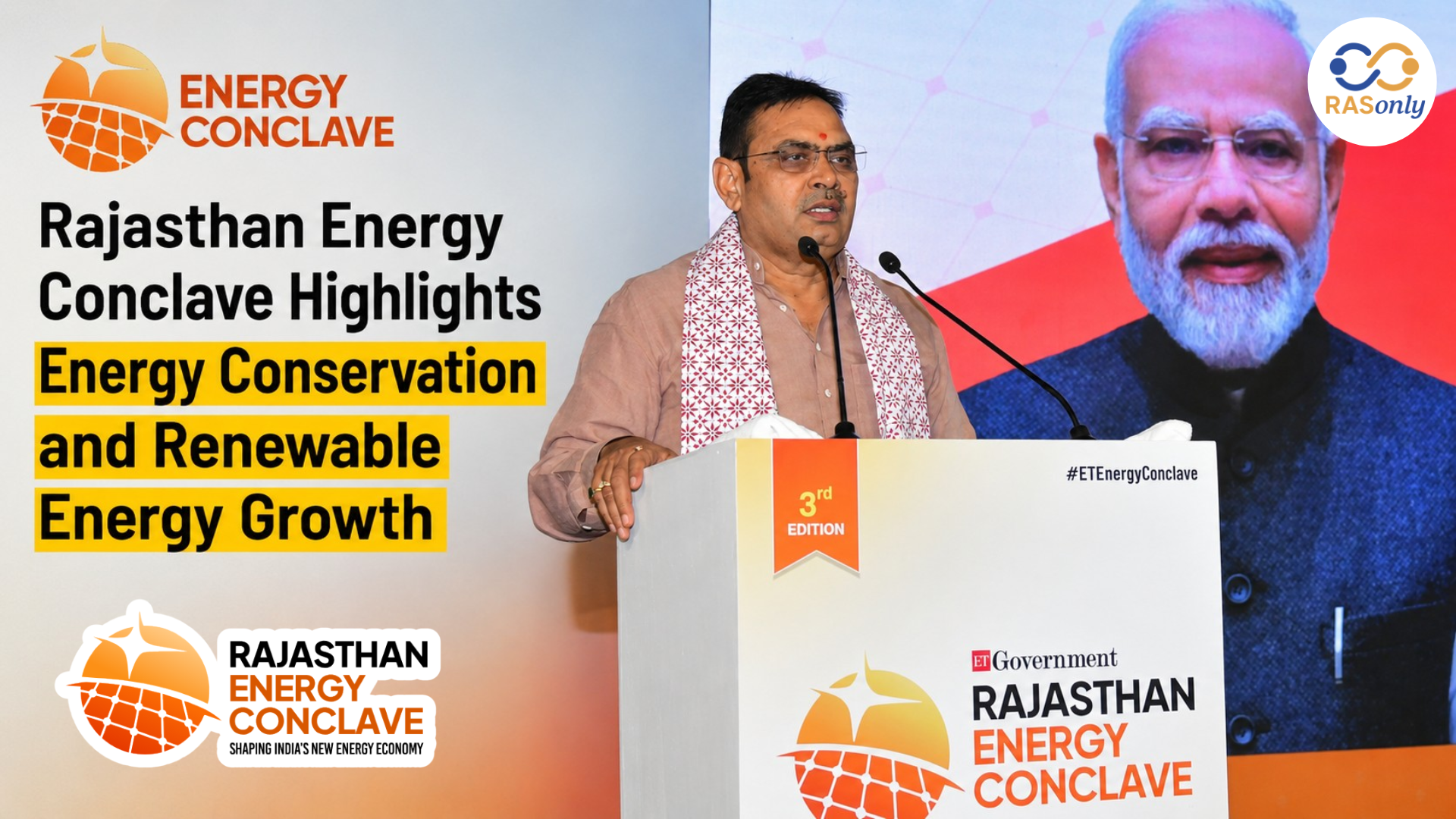
The Rajasthan Energy Conclave was all about energy conservation and renewable energy growth. The Chief Minister Bhajan Lal Sharma said that saving energy is the way to deal with energy production. He said that using resources wisely will help Rajasthan become self-reliant in energy. Rajasthan is already a leader in energy and is moving towards becoming a state that provides energy. With lots of possibilities in wind, bio-energy and green hydrogen Rajasthan is becoming a key player in Indias green energy transition.
Key Highlights of Rajasthan Energy Conclave
• The Chief Minister said that saving energy is the alternative to producing energy.
• The state government has made rules for using government vehicles and saving energy.
• The Chief Minister came to the event in a vehicle to show that fuel saving and protecting the environment are important.
• Saving petrol and diesel is a responsibility.
• Clean and alternative energy sources are the solutions to energy challenges.
• Electric vehicles can help reduce carbon emissions and protect the environment.
Rajasthan as an Energy Powerhouse
Investment in Energy Sector
• The Chief Minister asked investors to help make Rajasthan an energy powerhouse under the vision of Viksit Bharat 2047.
• Rajasthan is one of the states to invest in.
• The state government will provide support to industries and investors.
• Many investment proposals have been received for wind, bio-energy and green hydrogen projects.
• These investments will help Rajasthans economy grow.
Renewable Energy Potential
• India wants to install 500 GW of energy capacity by 2030.
• India also wants to achieve the Net Zero target by 2070.
• Rajasthan has a lot of potential for wind energy. 828 GW of solar energy and 284 GW of wind energy.
• 47 GW of renewable energy capacity has already been installed in the state.
• Rajasthan is one of the leading states in installing projects.
• The renewable energy capacity has increased by 24,410 MW during the governments term.
Rajasthan Integrated Clean Energy Policy 2024
The Rajasthan Integrated Clean Energy Policy 2024 has been made to promote energy, biofuel, energy storage and green hydrogen projects. This policy gives a direction to Rajasthans clean energy development and supports the states long-term goal of becoming a major renewable energy hub.
Green Energy and E-Mobility Initiatives
• Under the KUSUM scheme small solar projects are being set up on land to provide power for farming using solar energy.
• 4,000 MW of projects have already been set up under the scheme.
• Projects of 6,500 MW have been allotted.
• Solar parks of 4,670 MW have been set up by state enterprises and joint ventures.
• Solar parks of than 12,000 MW are being built.
• 1,000 government buildings have been solarized in the state.
• Solar plants of 600 MW will be installed using net metering.
• Under the PM E-Drive scheme 250 locations have been identified in Rajasthan to set up electric charging stations.
Energy Storage as a Future Requirement
Energy storage will play a role in meeting future energy demands. The Rajasthan government has set a target of installing 115 GW of energy capacity and 10 GW of energy storage projects by 2030. This target will be increased to 290 GW by 2047. Battery storage capacity of 6,000 MW has already been. Projects of 6,400 MW are in progress. This will help manage energy supply and strengthen energy security.
Relevance for RAS Exam
• This topic is important for Rajasthans economy, energy security, environment and sustainable development.
• It shows Rajasthans role in Indias energy transition.
• It connects state-level initiatives with targets like 500 GW of renewable energy capacity by 2030 and Net Zero by 2070.
• It can be used as an example in answers related to energy, investment promotion, climate action, e-mobility and sustainable infrastructure.
Conclusion
The Rajasthan Energy Conclave shows that the state is focused on energy conservation, renewable energy growth and green mobility. With its solar and wind potential, clean energy policies, solarization of government buildings battery storage plans and electric charging infrastructure Rajasthan is moving towards becoming an energy provider state. This initiative also supports Indias goals of energy self-reliance, sustainable development and Net Zero by 2070.
MCQs
1. What was the main message at the Rajasthan Energy Conclave about energy production?
a. Saving energy is the most effective and sustainable alternative to energy production.
b. Rajasthan should only depend on thermal power generation.
c. Energy production should be increased without focusing on conservation.
d. Petrol and diesel should remain the focus of future energy planning.
Answer: a. Saving energy is the most effective and sustainable alternative to energy production.
Explanation: The Chief Minister said that saving energy is the most effective and sustainable alternative to energy production. This idea is linked to using resources saving fuel and getting the public involved in achieving energy self-reliance.
2. What energy potential does Rajasthan have?
a. 500 GW of energy and 2070 GW of wind energy
b. 115 GW of energy and 10 GW of wind energy
c. 828 GW of solar energy and 284 GW of wind energy
d. 47 GW of energy and 24,410 GW of wind energy
Answer: c. 828 GW of solar energy and 284 GW of wind energy
Explanation: Rajasthan has a lot of potential for solar and wind energy. 828 GW of solar energy and 284 GW of wind energy. This makes the state very important for Indias energy growth and supports its emerging role as a major green energy and energy provider state.
3. Under the PM E-Drive scheme how many locations have been identified in Rajasthan for setting up electric charging stations?
A. 100
B. 250
C. 600
D. 1,000
Answer: b. 250
Explanation: Under the PM E-Drive scheme 250 locations have been identified in Rajasthan to set up electric charging stations. This step is important, for promoting e-mobility reducing fuel dependence lowering carbon emissions and supporting clean transportation infrastructure in the state.
राजस्थान ऊर्जा सम्मेलन में ऊर्जा संरक्षण और अक्षय ऊर्जा वृद्धि पर बल
राजस्थान ऊर्जा सम्मेलन का मुख्य केंद्र ऊर्जा संरक्षण और अक्षय ऊर्जा वृद्धि रहा। मुख्यमंत्री भजनलाल शर्मा ने कहा कि ऊर्जा की बचत ही ऊर्जा उत्पादन से जुड़ी चुनौतियों से निपटने का प्रभावी मार्ग है। उन्होंने कहा कि संसाधनों का विवेकपूर्ण उपयोग राजस्थान को ऊर्जा आत्मनिर्भरता की दिशा में आगे बढ़ाएगा। राजस्थान ऊर्जा क्षेत्र में पहले से अग्रणी भूमिका निभा रहा है और ऊर्जा प्रदाता राज्य बनने की दिशा में आगे बढ़ रहा है। पवन ऊर्जा, जैव ऊर्जा और हरित हाइड्रोजन की व्यापक संभावनाओं के साथ राजस्थान भारत के हरित ऊर्जा परिवर्तन में एक महत्वपूर्ण भूमिका निभा रहा है।
राजस्थान ऊर्जा सम्मेलन की प्रमुख बातें
• मुख्यमंत्री ने कहा कि ऊर्जा की बचत ऊर्जा उत्पादन का प्रभावी विकल्प है।
• राज्य सरकार ने राजकीय वाहनों के उपयोग और ऊर्जा संरक्षण के लिए दिशा-निर्देश बनाए हैं।
• मुख्यमंत्री कार्यक्रम में वाहन से पहुँचे और ईंधन बचत तथा पर्यावरण संरक्षण का संदेश दिया।
• पेट्रोल और डीजल की बचत को सामूहिक जिम्मेदारी बताया गया।
• स्वच्छ और वैकल्पिक ऊर्जा स्रोतों को ऊर्जा चुनौतियों का समाधान बताया गया।
• विद्युत वाहन कार्बन उत्सर्जन कम करने और पर्यावरण संरक्षण में सहायक हो सकते हैं।
ऊर्जा केंद्र के रूप में राजस्थान
ऊर्जा क्षेत्र में निवेश
• मुख्यमंत्री ने निवेशकों से विकसित भारत 2047 की दृष्टि के अंतर्गत राजस्थान को ऊर्जा केंद्र बनाने में सहयोग करने का आह्वान किया।
• राजस्थान को निवेश के लिए अनुकूल राज्यों में शामिल बताया गया।
• राज्य सरकार उद्योगों और निवेशकों को सहयोग उपलब्ध कराएगी।
• पवन ऊर्जा, जैव ऊर्जा और हरित हाइड्रोजन परियोजनाओं के लिए कई निवेश प्रस्ताव प्राप्त हुए हैं।
• ये निवेश राजस्थान की अर्थव्यवस्था को आगे बढ़ाने में सहायक होंगे।
अक्षय ऊर्जा क्षमता
• भारत ने 2030 तक 500 गीगावाट ऊर्जा क्षमता स्थापित करने का लक्ष्य रखा है।
• भारत ने 2070 तक शुद्ध शून्य लक्ष्य प्राप्त करने का भी लक्ष्य रखा है।
• राजस्थान में 828 गीगावाट सौर ऊर्जा और 284 गीगावाट पवन ऊर्जा की संभावना है।
• राज्य में 47 गीगावाट से अधिक अक्षय ऊर्जा क्षमता पहले ही स्थापित हो चुकी है।
• राजस्थान परियोजनाओं की स्थापना में अग्रणी राज्यों में शामिल है।
• सरकार के कार्यकाल में अक्षय ऊर्जा क्षमता में 24,410 मेगावाट की वृद्धि हुई है।
राजस्थान एकीकृत स्वच्छ ऊर्जा नीति 2024
राजस्थान एकीकृत स्वच्छ ऊर्जा नीति 2024 ऊर्जा, जैव ईंधन, ऊर्जा भंडारण और हरित हाइड्रोजन परियोजनाओं को बढ़ावा देने के लिए बनाई गई है। यह नीति राजस्थान के स्वच्छ ऊर्जा विकास को दिशा देती है और राज्य को एक प्रमुख अक्षय ऊर्जा केंद्र बनाने के दीर्घकालिक लक्ष्य को समर्थन देती है।
हरित ऊर्जा और विद्युत गतिशीलता पहल
• कुसुम योजना के अंतर्गत कृषि के लिए सौर ऊर्जा से बिजली उपलब्ध कराने हेतु भूमि पर लघु सौर परियोजनाएँ स्थापित की जा रही हैं।
• योजना के अंतर्गत 4,000 मेगावाट से अधिक की परियोजनाएँ पहले ही स्थापित की जा चुकी हैं।
• 6,500 मेगावाट की परियोजनाएँ आवंटित की गई हैं।
• राज्य उपक्रमों और संयुक्त उपक्रमों द्वारा 4,670 मेगावाट के सौर उद्यान स्थापित किए गए हैं।
• 12,000 मेगावाट से अधिक के सौर उद्यान बनाए जा रहे हैं।
• राज्य में 1,000 से अधिक राजकीय भवनों पर सौरकरण किया गया है।
• शुद्ध मापीकरण के माध्यम से 600 मेगावाट के सौर संयंत्र स्थापित किए जाएंगे।
• प्रधानमंत्री ई-ड्राइव योजना के अंतर्गत राजस्थान में विद्युत वाहन चार्जिंग केंद्र स्थापित करने के लिए 250 स्थान चिह्नित किए गए हैं।
भविष्य की आवश्यकता के रूप में ऊर्जा भंडारण
ऊर्जा भंडारण भविष्य की ऊर्जा मांगों को पूरा करने में महत्वपूर्ण भूमिका निभाएगा। राजस्थान सरकार ने 2030 तक 115 गीगावाट ऊर्जा क्षमता और 10 गीगावाट ऊर्जा भंडारण परियोजनाएँ स्थापित करने का लक्ष्य रखा है। इस लक्ष्य को 2047 तक 290 गीगावाट तक बढ़ाया जाएगा। 6,000 मेगावाट संचायक भंडारण क्षमता आवंटित की जा चुकी है। 6,400 मेगावाट की परियोजनाएँ प्रगति पर हैं। इससे ऊर्जा आपूर्ति के प्रबंधन और ऊर्जा सुरक्षा को मजबूत करने में सहायता मिलेगी।
आरएएस परीक्षा के लिए महत्व
• यह विषय राजस्थान की अर्थव्यवस्था, ऊर्जा सुरक्षा, पर्यावरण और सतत विकास के लिए महत्वपूर्ण है।
• यह भारत के ऊर्जा परिवर्तन में राजस्थान की भूमिका को दर्शाता है।
• यह राज्य-स्तरीय पहलों को 2030 तक 500 गीगावाट अक्षय ऊर्जा क्षमता और 2070 तक शुद्ध शून्य जैसे लक्ष्यों से जोड़ता है।
• इसका उपयोग ऊर्जा, निवेश प्रोत्साहन, जलवायु कार्रवाई, विद्युत गतिशीलता और सतत आधारभूत संरचना से जुड़े उत्तरों में उदाहरण के रूप में किया जा सकता है।
निष्कर्ष
राजस्थान ऊर्जा सम्मेलन यह दर्शाता है कि राज्य ऊर्जा संरक्षण, अक्षय ऊर्जा वृद्धि और हरित गतिशीलता पर केंद्रित है। सौर और पवन ऊर्जा की क्षमता, स्वच्छ ऊर्जा नीतियों, राजकीय भवनों के सौरकरण, संचायक भंडारण योजनाओं और विद्युत वाहन चार्जिंग आधारभूत संरचना के साथ राजस्थान ऊर्जा प्रदाता राज्य बनने की दिशा में आगे बढ़ रहा है। यह पहल भारत के ऊर्जा आत्मनिर्भरता, सतत विकास और 2070 तक शुद्ध शून्य के लक्ष्यों को भी समर्थन देती है।
बहुविकल्पीय प्रश्न
1. राजस्थान ऊर्जा सम्मेलन में ऊर्जा उत्पादन के बारे में मुख्य संदेश क्या था?
a. ऊर्जा की बचत ऊर्जा उत्पादन का सबसे प्रभावी और स्थायी विकल्प है।
b. राजस्थान को केवल ताप विद्युत उत्पादन पर निर्भर रहना चाहिए।
c. ऊर्जा संरक्षण पर ध्यान दिए बिना ऊर्जा उत्पादन बढ़ाना चाहिए।
d. भविष्य की ऊर्जा योजना में पेट्रोल और डीजल ही मुख्य केंद्र बने रहने चाहिए।
उत्तर: a. ऊर्जा की बचत ऊर्जा उत्पादन का सबसे प्रभावी और स्थायी विकल्प है।
व्याख्या: मुख्यमंत्री ने कहा कि ऊर्जा की बचत ऊर्जा उत्पादन का सबसे प्रभावी और स्थायी विकल्प है। यह विचार संसाधनों के उपयोग, ईंधन बचत और ऊर्जा आत्मनिर्भरता प्राप्त करने में जनभागीदारी से जुड़ा हुआ है।
2. राजस्थान में ऊर्जा की कितनी संभावना है?
a. 500 गीगावाट ऊर्जा और 2070 गीगावाट पवन ऊर्जा
b. 115 गीगावाट ऊर्जा और 10 गीगावाट पवन ऊर्जा
c. 828 गीगावाट सौर ऊर्जा और 284 गीगावाट पवन ऊर्जा
d. 47 गीगावाट ऊर्जा और 24,410 गीगावाट पवन ऊर्जा
उत्तर: c. 828 गीगावाट सौर ऊर्जा और 284 गीगावाट पवन ऊर्जा
व्याख्या: राजस्थान में सौर और पवन ऊर्जा की बड़ी संभावना है। राज्य में 828 गीगावाट सौर ऊर्जा और 284 गीगावाट पवन ऊर्जा की संभावना है। इससे राजस्थान भारत की ऊर्जा वृद्धि के लिए महत्वपूर्ण बनता है और प्रमुख हरित ऊर्जा तथा ऊर्जा प्रदाता राज्य के रूप में उसकी भूमिका को मजबूत करता है।
3. प्रधानमंत्री ई-ड्राइव योजना के अंतर्गत राजस्थान में विद्युत वाहन चार्जिंग केंद्र स्थापित करने के लिए कितने स्थान चिह्नित किए गए हैं?
a. 100
b. 250
c. 600
d. 1,000
उत्तर: b. 250
व्याख्या: प्रधानमंत्री ई-ड्राइव योजना के अंतर्गत राजस्थान में विद्युत वाहन चार्जिंग केंद्र स्थापित करने के लिए 250 स्थान चिह्नित किए गए हैं। यह कदम विद्युत गतिशीलता को बढ़ावा देने, ईंधन पर निर्भरता घटाने, कार्बन उत्सर्जन कम करने और राज्य में स्वच्छ परिवहन आधारभूत संरचना को मजबूत करने के लिए महत्वपूर्ण है।