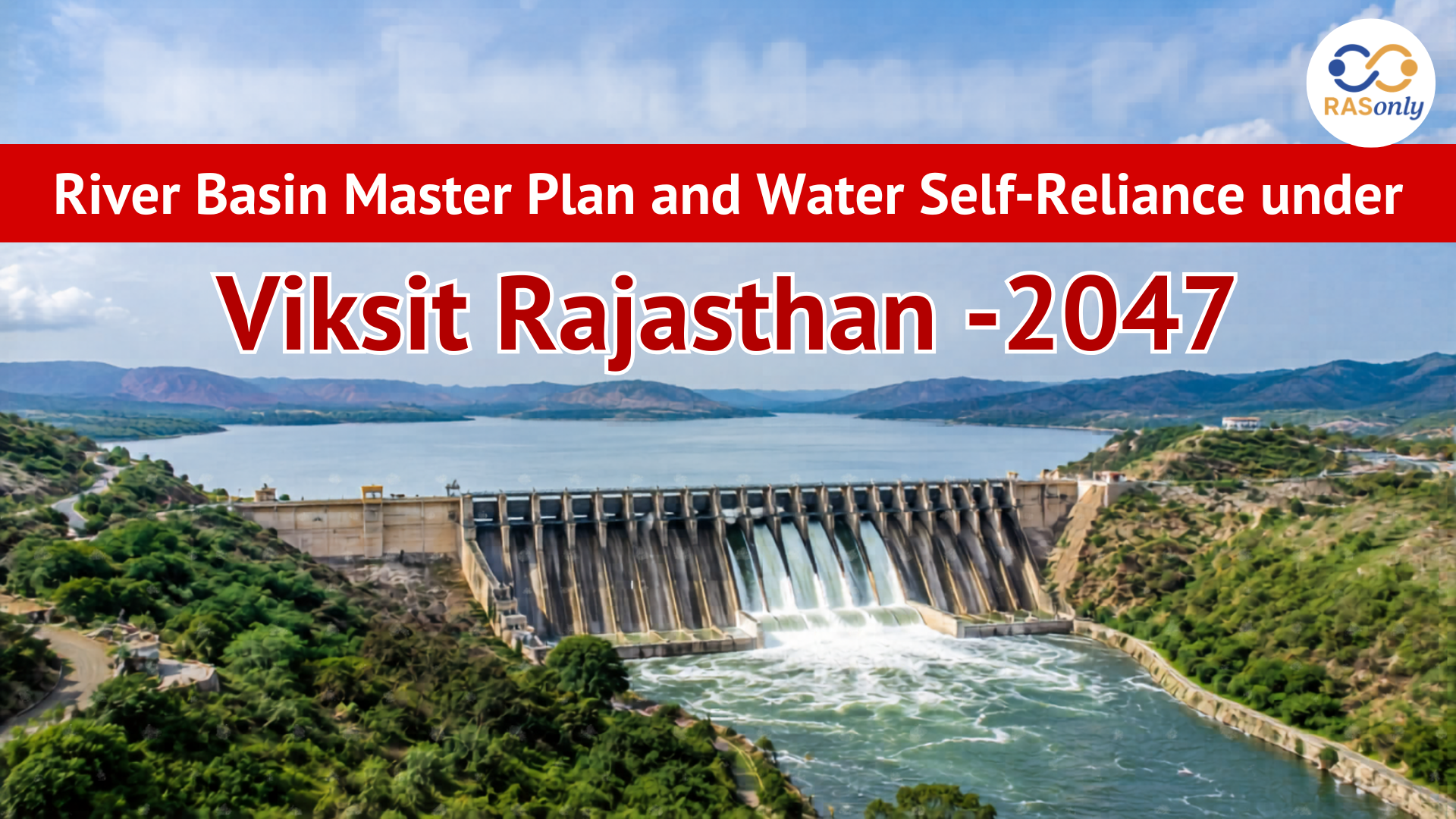
A high-level review meeting was conducted in Jaipur under the chairmanship of Chief Secretary V. Srinivas who is also the Chairman of the Rajasthan River Basin and Water Resources Planning Authority. The meeting was aimed at enhancing water resource management, conservation and planning in Rajasthan. The Chief Secretary instructed authorities to develop technically sound river basin master plans in accordance to the objectives of Viksit Rajasthan 2047. The primary agenda of the meeting was to make sure that water was self-reliant, that the water resources were used efficiently and that the water resources were monitored well and that the water resources were well planned to meet future water demand.
The following are the main highlights of the Review Meeting.
- The meeting took place in the Secretariat, Jaipur, in the Chintan Room.
- Chair Person: Chief Secretary V. Srinivas.
- The meeting discussed matters pertaining to water resource management, conservation and departmental planning.
- It was instructed to officials to come up with technically robust planning and sustained monitoring systems.
- In response to the situation, the Chief Secretary advised authorities to hasten the completion of the repair works on the Indira Gandhi Canal Project.
- Ensuring the availability of water and the adequate utilization of water resources were pointed out as a priority.
- The long-term aim of the state is to transition to water self-reliance as part of Viksit Rajasthan-2047.
Guidelines to River Basin Planning.
- The Chief Engineer, Hanumangarh was instructed to investigate the Ghaggar River.
- The study will revolve around the state of the flood during the monsoon, water availability and potential water use.
- Basin Chief Engineers and Basin Additional Chief Engineers were instructed to develop new river basin plans.
The river basin master plans should be drafted with the consideration of Viksit Rajasthan–2047.
Key Problems that were discussed during the Meeting
Water Demand and Availability.
- Availability of surface water was checked.
- Water supplied by Ravi-Beas was addressed.
- Status of groundwater development was discussed.
- Demand of water in the irrigation, drinking water and industrial sectors was examined.
Canal and Project Management.
- Loss of water during transportation in the canals was discussed.
There were reviews of major projects like the Indira Gandhi Canal Project, Ganga Canal, Bhakra Canal and Sidhmukh-Nohar Project.
- Canal networks repair and restoration were found to be significant steps.
The Water Management in Rajasthan faces some of the following key challenges.
- Limited availability of surface water.
- Excessive exploitation of groundwater.
- Waterlogging in the area of Indira Gandhi Canal Project.
- Raising the level of drinking water.
- Groundwater quality concerns.
- Growing of high water consuming crops.
- Water that is lost during canal transportation.
Suggestions on how to improve the management of water.
Canal System Improvement
- Canal networks canals reinstated.
- Transportation systems of water are improved.
- Reduction of water losses.
- Outlet correction of outlets in the canal system.
Conservation and Effective Use.
- More extensive application of micro-irrigation systems.
- Good water management at field and basin level.
- Promotion of rainwater harvesting.
- Construction of small water structures such as small dams.
- Water conservation technologies and particularly, SCADA to manage water efficiently.
Ghaggar River Basin Presentation
A database-based detailed presentation on the Ghaggar River Basin was presented by Chief Engineer North, Hanumangarh, Pradeep Rustagi under the Viksit Rajasthan- 2047. The presentation examined the water availability, demand and supply. It also presented the key problems like the lack of surface water, excessive use of groundwater, waterlogging in the IGNP area and planting of crops that consume a lot of water.
Administrative Participation
Further Chief Secretary of Water Resources Department and Commissioner of the Authority Abhay Kumar informed about river basins in Rajasthan. The Chief Engineer of the Authority Raj Pal Singh gave information on various projects and their current status. The meeting was attended by senior officers of the Water Resources Department, Chief Engineers, Additional Chief Engineers and the district officials. District officials also joined via video conferencing.
Conclusion
The river basin master plans under Viksit Rajasthan-2047 will be significant in empowering the water security of Rajasthan in the long-term. The state is striving to transition into water self-reliance by focusing on basin-level planning, canal restoration, micro-irrigation, rainwater harvesting and technology-based monitoring. The project is important in sustainable development, agricultural planning and effective utilization of scarce water resources in Rajasthan.
MCQs
1. Who led the high-level review meeting on river basin planning and water resource management in Rajasthan?
A. Abhay Kumar
B. V. Srinivas
C. Pradeep Rustagi
D. Raj Pal Singh
Answer: B
Explanation: V. Srinivas, the Chief Secretary of Rajasthan, is the Chairman of the high-level review meeting and the Chairman of the Rajasthan River Basin and Water Resources Planning Authority. The water resource management, river basin master planning and target of water self-reliance under Viksit Rajasthan-2047 were discussed at the meeting.
2. What river basin was displayed through a detailed presentation in the form of a database under Viksit Rajasthan 2047?
A. Ghaggar River Basin
B. Chambal River Basin
C. Banas River Basin
D. Luni River Basin
Answer: A
Explanation : Hanumangarh, Chief Engineer North, Pradeep Rustagi gave a detailed presentation on the Ghaggar River Basin, in database form. The presentation has focused on the availability of water, the demand and supply of water as well as identifying the challenges of limited availability of surface water, overuse of groundwater, waterlogging in the IGNP region and high water consuming crops.
3. Which of the following solutions was proposed to improve water management in Rajasthan?
A. Wider use of micro-irrigation systems
B. Rainwater harvesting and small water structures.
C. SCADA application in the management of water.
D. All of the above
Answer: D
Explanation: The review meeting has identified a few measures to implement to improve water management, including the wider use of micro-irrigation systems, collection of rainwater, building of smaller water structures such as small dams and the effective utilization of technology such as SCADA. These measures are significant in minimizing the loss of water and maximizing efficient use of water in Rajasthan.
विकसित राजस्थान–2047 के अंतर्गत नदी बेसिन मास्टर प्लान और जल आत्मनिर्भरता विकसित राजस्थान–2047 के अनुरूप तैयार होंगे नदी बेसिन मास्टर प्लान
राजस्थान के मुख्य सचिव वी. श्रीनिवास की अध्यक्षता में जयपुर में एक उच्च स्तरीय समीक्षा बैठक आयोजित की गई। वे राजस्थान नदी बेसिन एवं जल संसाधन योजना प्राधिकरण के अध्यक्ष भी हैं। बैठक का उद्देश्य राजस्थान में जल संसाधन प्रबंधन, संरक्षण और योजना निर्माण को मजबूत बनाना था। मुख्य सचिव ने अधिकारियों को निर्देश दिए कि विकसित राजस्थान–2047 के लक्ष्यों के अनुरूप तकनीकी रूप से सुदृढ़ नदी बेसिन मास्टर प्लान तैयार किए जाएं। बैठक का मुख्य उद्देश्य जल आत्मनिर्भरता सुनिश्चित करना, जल संसाधनों का कुशल उपयोग करना, प्रभावी निगरानी प्रणाली विकसित करना और भविष्य की जल मांग के अनुसार बेहतर योजना बनाना था।
समीक्षा बैठक की प्रमुख विशेषताएँ
• बैठक जयपुर स्थित शासन सचिवालय के चिंतन कक्ष में आयोजित हुई।
• बैठक की अध्यक्षता मुख्य सचिव वी. श्रीनिवास ने की।
• बैठक में जल संसाधन प्रबंधन, संरक्षण और विभागीय योजना से जुड़े विषयों पर चर्चा की गई।
• अधिकारियों को तकनीकी रूप से मजबूत योजना और सतत निगरानी प्रणाली विकसित करने के निर्देश दिए गए।
• मुख्य सचिव ने इंदिरा गांधी नहर परियोजना के मरम्मत कार्यों में तेजी लाने के निर्देश दिए।
• जल उपलब्धता सुनिश्चित करना और जल संसाधनों का समुचित उपयोग प्रमुख प्राथमिकता के रूप में रेखांकित किया गया।
• राज्य का दीर्घकालिक लक्ष्य विकसित राजस्थान–2047 के अंतर्गत जल आत्मनिर्भरता की दिशा में आगे बढ़ना है।
नदी बेसिन योजना के लिए निर्देश
• मुख्य अभियंता, हनुमानगढ़ को घग्घर नदी का अध्ययन करवाने के निर्देश दिए गए।
• यह अध्ययन मानसून अवधि में बाढ़ की स्थिति, जल उपलब्धता और संभावित जल उपयोग पर आधारित होगा।
• बेसिन मुख्य अभियंताओं और बेसिन अतिरिक्त मुख्य अभियंताओं को अद्यतन नदी बेसिन योजनाएँ तैयार करने के निर्देश दिए गए।
• नदी बेसिन मास्टर प्लान विकसित राजस्थान–2047 को ध्यान में रखते हुए तैयार किए जाएंगे।
• ये योजनाएँ राजस्थान में बेसिन स्तर पर जल प्रबंधन को मजबूत करने में सहायक होंगी।
बैठक में चर्चा किए गए प्रमुख विषय
जल उपलब्धता और मांग
• सतही जल की उपलब्धता की समीक्षा की गई।
• रावी-ब्यास से प्राप्त जल पर चर्चा की गई।
• भूजल विकास की स्थिति पर विचार किया गया।
• सिंचाई, पेयजल और औद्योगिक क्षेत्रों में जल मांग की समीक्षा की गई।
नहर और परियोजना प्रबंधन
• नहरों में जल परिवहन के दौरान होने वाली जल हानि पर चर्चा की गई।
• इंदिरा गांधी नहर परियोजना, गंग नहर, भाखड़ा नहर और सिद्धमुख-नोहर परियोजना जैसी प्रमुख परियोजनाओं की समीक्षा की गई।
• नहर नेटवर्क की मरम्मत और पुनर्स्थापन को महत्वपूर्ण कदम माना गया।
राजस्थान के जल प्रबंधन की प्रमुख चुनौतियाँ
• सतही जल की सीमित उपलब्धता।
• भूजल का अत्यधिक दोहन।
• इंदिरा गांधी नहर परियोजना क्षेत्र में जलभराव।
• पेयजल की बढ़ती मांग।
• भूजल गुणवत्ता से जुड़ी चिंताएँ।
• अधिक जल खपत वाली फसलों की खेती।
• नहरों में जल परिवहन के दौरान जल हानि।
जल प्रबंधन में सुधार के लिए सुझाव
नहर प्रणाली में सुधार
• नहर नेटवर्क का पुनर्स्थापन।
• जल परिवहन प्रणाली में सुधार।
• जल हानि में कमी।
• नहर प्रणाली में आउटलेट सुधार।
संरक्षण और कुशल उपयोग
• सूक्ष्म सिंचाई प्रणालियों का व्यापक उपयोग।
• खेत और बेसिन स्तर पर प्रभावी जल प्रबंधन।
• वर्षा जल संचयन को बढ़ावा।
• छोटे बांधों जैसी लघु जल संरचनाओं का निर्माण।
• कुशल जल प्रबंधन के लिए जल संरक्षण तकनीकों, विशेषकर स्काडा, का प्रभावी उपयोग।
घग्घर नदी बेसिन प्रस्तुतीकरण
मुख्य अभियंता उत्तर, हनुमानगढ़, प्रदीप रूस्तगी ने विकसित राजस्थान–2047 के अंतर्गत घग्घर नदी बेसिन पर डाटाबेस आधारित विस्तृत प्रस्तुतीकरण दिया। प्रस्तुतीकरण में जल उपलब्धता, मांग और आपूर्ति का विश्लेषण किया गया। इसमें सतही जल की सीमित उपलब्धता, भूजल का अत्यधिक उपयोग, इंदिरा गांधी नहर परियोजना क्षेत्र में जलभराव और अधिक जल खपत वाली फसलों की खेती जैसी प्रमुख चुनौतियों को भी रेखांकित किया गया।
प्रशासनिक भागीदारी
जल संसाधन विभाग के अतिरिक्त मुख्य सचिव और प्राधिकरण के आयुक्त अभय कुमार ने राजस्थान के नदी बेसिनों की जानकारी दी। प्राधिकरण के मुख्य अभियंता राज पाल सिंह ने विभिन्न परियोजनाओं और उनकी वर्तमान स्थिति के बारे में जानकारी दी। बैठक में जल संसाधन विभाग के वरिष्ठ अधिकारी, मुख्य अभियंता, अतिरिक्त मुख्य अभियंता और जिला अधिकारी उपस्थित रहे। जिला अधिकारी वीडियो कॉन्फ्रेंसिंग के माध्यम से भी बैठक से जुड़े।
निष्कर्ष
विकसित राजस्थान–2047 के अंतर्गत नदी बेसिन मास्टर प्लान राजस्थान की दीर्घकालिक जल सुरक्षा को मजबूत करने में महत्वपूर्ण भूमिका निभाएंगे। बेसिन स्तर की योजना, नहर पुनर्स्थापन, सूक्ष्म सिंचाई, वर्षा जल संचयन और तकनीक आधारित निगरानी पर ध्यान देकर राज्य जल आत्मनिर्भरता की दिशा में आगे बढ़ रहा है। यह पहल राजस्थान में सतत विकास, कृषि योजना और सीमित जल संसाधनों के प्रभावी उपयोग के लिए महत्वपूर्ण है
बहुविकल्पीय प्रश्न
1. राजस्थान में नदी बेसिन योजना और जल संसाधन प्रबंधन पर उच्च स्तरीय समीक्षा बैठक की अध्यक्षता किसने की?
A. अभय कुमार
B. वी. श्रीनिवास
C. प्रदीप रूस्तगी
D. राज पाल सिंह
उत्तर: B
व्याख्या: राजस्थान के मुख्य सचिव वी. श्रीनिवास ने उच्च स्तरीय समीक्षा बैठक की अध्यक्षता की। वे राजस्थान नदी बेसिन एवं जल संसाधन योजना प्राधिकरण के अध्यक्ष भी हैं। बैठक में जल संसाधन प्रबंधन, नदी बेसिन मास्टर प्लान और विकसित राजस्थान–2047 के अंतर्गत जल आत्मनिर्भरता के लक्ष्य पर चर्चा की गई।
2. विकसित राजस्थान–2047 के अंतर्गत किस नदी बेसिन पर डाटाबेस आधारित विस्तृत प्रस्तुतीकरण दिया गया?
A. घग्घर नदी बेसिन
B. चंबल नदी बेसिन
C. बनास नदी बेसिन
D. लूणी नदी बेसिन
उत्तर: A
व्याख्या: मुख्य अभियंता उत्तर, हनुमानगढ़, प्रदीप रूस्तगी ने घग्घर नदी बेसिन पर डाटाबेस आधारित विस्तृत प्रस्तुतीकरण दिया। इस प्रस्तुतीकरण में जल उपलब्धता, मांग और आपूर्ति का विश्लेषण किया गया तथा सतही जल की सीमित उपलब्धता, भूजल का अत्यधिक उपयोग, इंदिरा गांधी नहर परियोजना क्षेत्र में जलभराव और अधिक जल खपत वाली फसलों जैसी चुनौतियों को रेखांकित किया गया।
3. राजस्थान में बेहतर जल प्रबंधन के लिए निम्नलिखित में से कौन-सा उपाय सुझाया गया?
A. सूक्ष्म सिंचाई प्रणालियों का व्यापक उपयोग
B. वर्षा जल संचयन और लघु जल संरचनाएँ
C. जल प्रबंधन में स्काडा का उपयोग
D. उपर्युक्त सभी
उत्तर: D
व्याख्या: समीक्षा बैठक में जल प्रबंधन सुधारने के लिए कई उपाय रेखांकित किए गए, जिनमें सूक्ष्म सिंचाई प्रणालियों का व्यापक उपयोग, वर्षा जल संचयन, छोटे बांधों जैसी लघु जल संरचनाओं का निर्माण और स्काडा जैसी तकनीकों का प्रभावी उपयोग शामिल है। ये उपाय जल हानि को कम करने और राजस्थान में जल के कुशल उपयोग को बढ़ाने के लिए महत्वपूर्ण हैं।