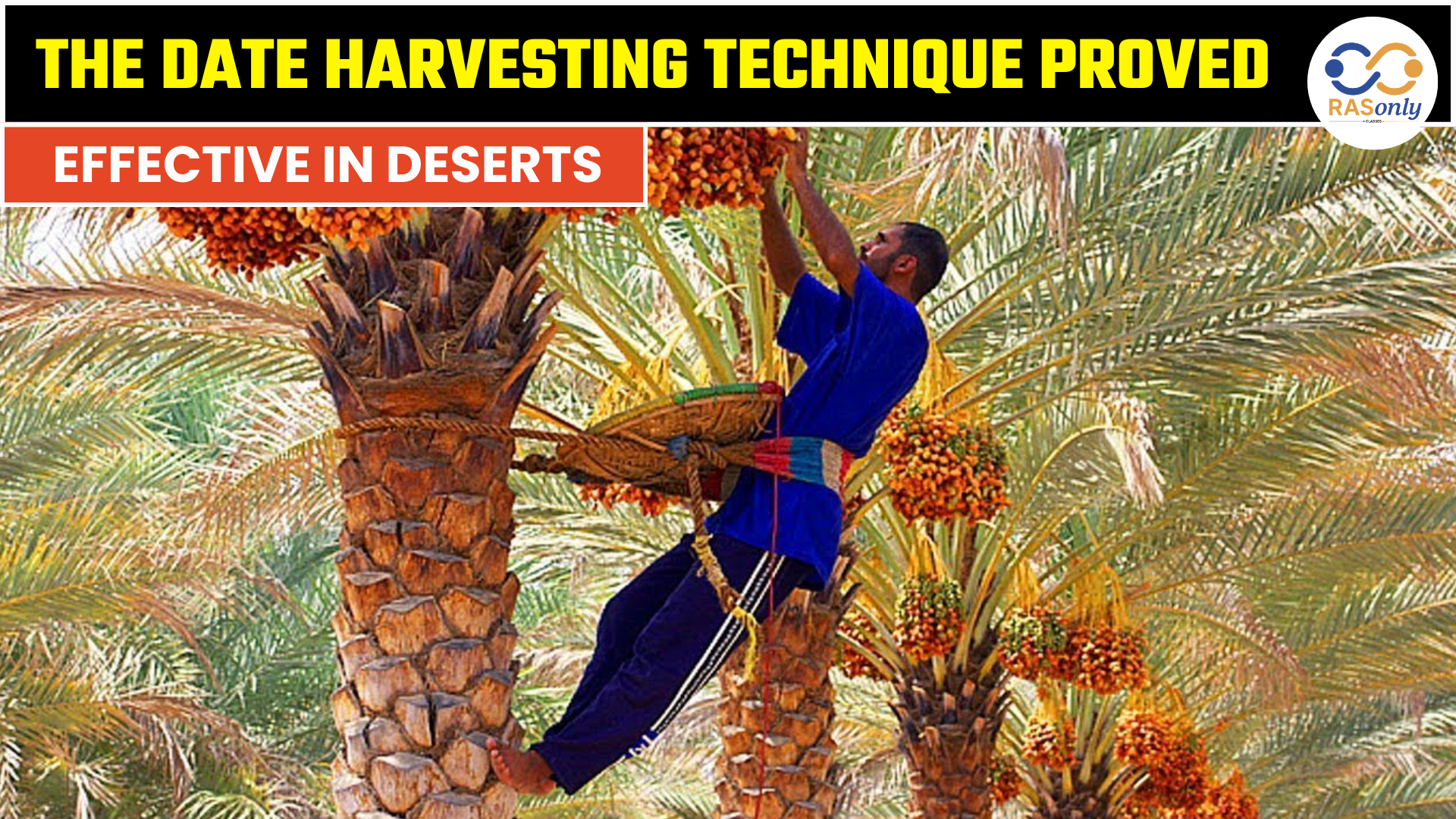
The arid area of Jodhpur has already been successful with a successful experiment of fig (Anjeer) cultivation following the success of date palms before that. Four years ago, scientists at CAZRI (Central Arid Zone Research Institute) planted fig saplings to determine their ability to survive even under very dry desert conditions. The plants are now growing and fruitful and so the experiment is successful. Approximately 300 Deanna variety plants were tested wherein it gave positive results of low water requirements and high resistance to drought. This technology and advice will shortly be made available by CAZRI to the farmers so that they can consider the practice of fig cultivation as a viable alternative in Thar Desert where less water and high salinity levels are crucial prerequisites.
The main results of the CAZRI Experiment.
- Fig (Anjeer) was a success after the trial with date palms.
- The fig plants that had been planted four years ago started to fruit in large quantities.
- Approximately, 300 plants of the type known as the Deanna were planted as research plants.
- There are high adaptability results with low water, high heat, and salinity.
- This technology will soon be passed on to farmers by CAZRI scientists.
- Fig farming can be used as an alternative lucrative option to desert farmers.
Agricultural Significance to the Thar Region.
- Thar region is a place with water shortages in the area and fig plants need very little water.
- Fig is a market crop that has a high value and low input, thus, profitable crop.
- Extreme arid trials proved successful.
New Opportunities in Desert Farmers.
- Fig offers another commercial option of fruit after date palm success.
- The technology transfer of CAZRI will assist in the growth of horticulture in the arid zones.
- Farmers will be able to diversify crops, which enhances improvements in income and sustainability.
Conclusion
The fact that CAZRI successfully tried fig cultivation shows that it is possible to practice high value horticulture even in bloody desert conditions. Fig can be a lucrative crop to Thar farmers; it has low water requirement, can withstand good amount of heat, and promising yields. The transfer of technology to CAZRI will make local farmers to embrace this new agricultural horizon to enhance the level of income and high sustainability of desert farming.
MCQs (English )
MCQ 1
What has passed the CAZRI experiment, fruit crop that has been growing in desert soil that followed the dates?
A. Pomegranate
B. Fig (Anjeer)
C. Guava
D. Olive
E. Unattempted
Answer: B
Explanation :
The experiment by CAZRI in Jodhpur proved that the fig (Anjeer) plant can easily adjust to arid conditions having already been successful with the date palms. Approximately 300 other plants of Deanna variety were planted and after four years started to bear fruit abundantly. This indicates how the crop can survive with very little water in the harsh Thar Desert, therefore, it is a good high value crop to the farmers.
MCQ 2
What was the number of fig plants that were used in the CAZRI experimental trial under the Thar desert?
A. 100
B. 200
C. 300
D. 500
E. Unattempted
Answer: C
Explanation :
In the experiment, there were about 300 De anna fig variety plants. Fouryear followups to the mentioned plants were conducted to observe the performance of the plants in harsh conditions like extreme heat, insufficient water, and excessive salinity that are characteristic of the Thar region. The fact that they survived successfully and bore fruit confirmed the suitability of the crop to desert farming and stimulated its further growth among farmers.
MCQ 3
What was the name of the institution that experimented successfully on the cultivation of fig in the desert area?
A. IARI New Delhi
B. CAZRI Jodhpur
C. ICAR Pune
D. SKRAU Bikaner
E. Unattempted
Answer: B
Explanation :
The experiment was conducted by the Central Arid Zone Research Institute (CAZRI) at Jodhpur to establish whether it was possible to use figs to grow in a desert environment. They reported good performance of their 300 plants which began to fruit after four years. This achievement brings to view the role of CAZRI in ensuring that new agricultural solutions to arid and semiarid regions are promoted.
खजूर के बाद अब मरुभूमि में अंजीर की सफल खेती
जोधपुर के शुष्क क्षेत्र में खजूर की खेती की सफलता के बाद अब अंजीर (फिग) की खेती का प्रयोग भी सफल रहा है। केंद्रीय शुष्क क्षेत्र अनुसंधान संस्थान (CAZRI) के वैज्ञानिकों ने 4 वर्ष पहले अंजीर के पौधे लगाए थे, ताकि यह परखा जा सके कि यह फसल तीव्र शुष्कता और मरुस्थलीय परिस्थितियों में कितनी अनुकूल है। चार वर्षों बाद पौधे लदकद हो गए और भारी मात्रा में फल देने लगे, जिससे प्रयोग सफल घोषित किया गया। लगभग 300 पौधे ‘डिआना’ किस्म के लगाए गए थे, जिन्होंने कम पानी, अधिक गर्मी और लवणीय परिस्थितियों में उत्कृष्ट प्रदर्शन किया। अब CAZRI जल्द ही यह तकनीक किसानों को उपलब्ध कराएगा, जिससे थार मरुस्थल के किसान कम पानी में भी अंजीर जैसी लाभकारी फसल अपना सकेंगे।
CAZRI प्रयोग के मुख्य निष्कर्ष
- खजूर के बाद अंजीर की खेती भी सफल रही।
- 4 वर्ष पूर्व लगाए गए अंजीर पौधों ने अब भारी मात्रा में फल देना शुरू किया।
- लगभग 300 पौधे ‘डिआना’ किस्म के अनुसंधान हेतु लगाए गए।
- पौधों में कम पानी, अधिक तापमान और लवणीय मिट्टी में उच्च अनुकूलता देखी गई।
- CAZRI अब यह तकनीक किसानों तक पहुँचाएगा।
- अंजीर मरु–कृषि के लिए एक लाभदायक वैकल्पिक फल–फसल साबित हो सकती है।
थार क्षेत्र के लिए कृषि महत्व
- कम पानी – अधिक लाभ की संभावना
- थार क्षेत्र में पानी की भारी कमी है, जबकि अंजीर को बहुत कम पानी की आवश्यकता होती है।
- अंजीर उच्च मूल्य वाली बाज़ार–फसल है, जिसे कम लागत में उगाया जा सकता है।
- अत्यधिक शुष्क परिस्थितियों में भी पौधों ने सफल परिणाम दिए।
मरुस्थलीय किसानों के लिए नई संभावनाएँ
- खजूर के बाद अंजीर किसानों को दूसरा व्यावसायिक फल विकल्प देता है।
- CAZRI की तकनीक हस्तांतरण से मरुस्थलीय बागवानी का विस्तार होगा।
- फसलों का विविधीकरण किसानों की आय बढ़ाएगा और खेती अधिक टिकाऊ बनेगी।
निष्कर्ष
CAZRI द्वारा अंजीर की सफल खेती यह साबित करती है कि मरुस्थलीय क्षेत्र में भी उच्च मूल्य वाली बागवानी को सफलतापूर्वक किया जा सकता है। कम पानी, अधिक गर्मी सहनशीलता और बेहतर उत्पादन क्षमता के कारण अंजीर थार के किसानों के लिए एक अत्यंत लाभदायक फसल बन सकती है। तकनीक के हस्तांतरण से किसान नई कृषि संभावनाओं को अपनाकर अपनी आय और खेती की स्थिरता को बढ़ा सकेंगे।
MCQs ( हिंदी )
प्रश्न 1
CAZRI के प्रयोग में खजूर के बाद मरुभूमि में कौन सी फल–फसल सफल रही?
A. अनार
B. अंजीर (फिग)
C. अमरूद
D. जैतून
E. अनुत्तरित प्रश्न
उत्तर: B
व्याख्या :
CAZRI द्वारा किए गए प्रयोग ने दिखाया कि अंजीर (फिग) पौधे मरुस्थलीय परिस्थितियों में अत्यंत सफलतापूर्वक उग सकते हैं। लगभग 300 ‘डिआना’ किस्म के पौधे लगाए गए, जिन्होंने चार वर्षों बाद भारी फलन दिया। यह प्रयोग साबित करता है कि कम पानी की उपलब्धता के बावजूद अंजीर को थार क्षेत्र में लाभप्रद रूप से उगाया जा सकता है, जिससे किसानों को नई उच्चमूल्य फसल का विकल्प मिलेगा।
प्रश्न 2
थार मरुस्थल में किए गए CAZRI प्रयोग में लगभग कितने अंजीर पौधे लगाए गए थे?
A. 100
B. 200
C. 300
D. 500
E. अनुत्तरित प्रश्न
उत्तर: C
व्याख्या :
CAZRI वैज्ञानिकों ने लगभग 300 अंजीर पौधे ‘डिआना’ किस्म के लगाए थे ताकि यह परखा जा सके कि वे किस प्रकार अत्यधिक गर्मी, कम पानी और लवणीय मिट्टी वाली मरुस्थलीय परिस्थितियों में प्रदर्शन करते हैं। लगातार चार वर्षों की निगरानी के बाद पौधों ने उत्कृष्ट वृद्धि और फलन क्षमता दिखाई, जिससे यह फसल मरुस्थलीय कृषि के लिए उपयुक्त सिद्ध हुई।
प्रश्न 3
रेगिस्तानी क्षेत्र में अंजीर की सफल खेती का प्रयोग किस संस्थान ने किया?
A. IARI नई दिल्ली
B. CAZRI जोधपुर
C. ICAR पुणे
D. SKRAU बीकानेर
E. अनुत्तरित प्रश्न
उत्तर: B
व्याख्या :
अंजीर की मरुस्थलीय खेती का यह महत्वपूर्ण प्रयोग केंद्रीय शुष्क क्षेत्र अनुसंधान संस्थान (CAZRI), जोधपुर द्वारा किया गया। संस्थान ने 300 पौधों को रेगिस्तानी परिस्थितियों में लगाकर उनकी अनुकूलन क्षमता का विस्तृत परीक्षण किया। सफल फलन ने यह सिद्ध किया कि CAZRI मरुस्थलीय क्षेत्रों के लिए नई कृषि तकनीकों और समाधान विकसित करने में अग्रणी भूमिका निभा रहा है।