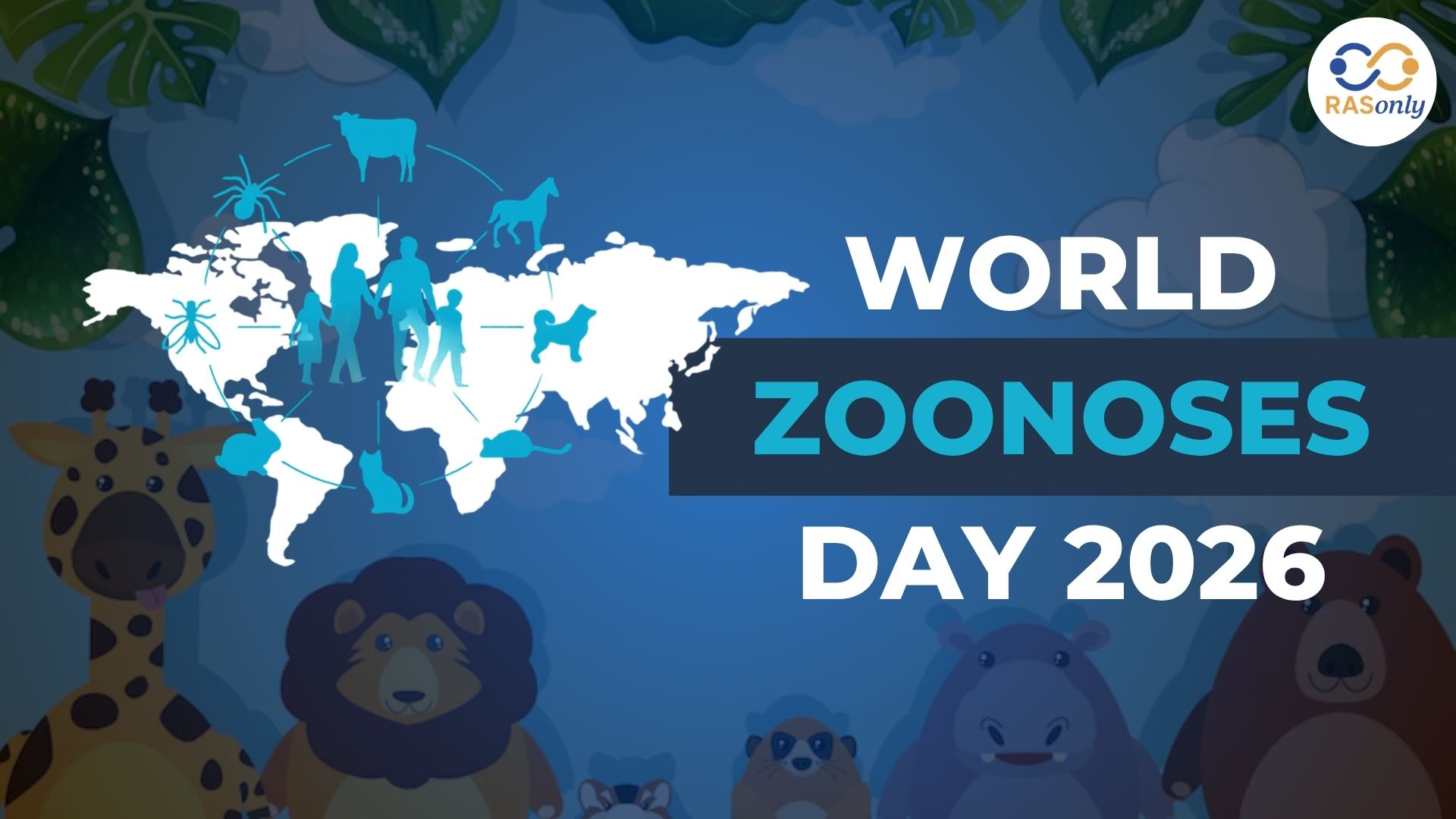
On the occasion of World Zoonoses Day (6 July), health and veterinary experts in Udaipur highlighted the growing importance of the One Health approach in preventing diseases that spread from animals to humans. The initiative highlights the inter-dependency of human health, animal health and environmental health, and the need for joint action for disease prevention.
With Rajasthan having a large livestock population, expanding dairy and poultry activities, and close human-animal interaction in both rural and urban areas, strengthening awareness, vaccination, surveillance, and hygiene practices has become increasingly important for reducing the risk of zoonotic diseases.
What is the One Health Approach?
The One Health approach is a collaborative framework that recognizes the close relationship between people, animals, plants, and the environment. It promotes collaboration between health authorities, veterinary departments, environmental agencies and local communities in the detection, prevention and response to disease outbreaks.
This holistic approach is increasingly being embraced globally to enhance public health and preparedness for new infectious disease threats.
Why is One Health Important for Rajasthan?
Rajasthan is one of the major states of the country in terms of livestock rearing. Dairy farming, cattle breeding, goat farming, camel husbandry, and poultry farming contribute significantly to the state's economy. The potential for zoonotic disease transmission is a risk that needs to be monitored regularly due to increased human-animal interaction.
Factors increasing the need for vigilance include:
- Large livestock and dairy population.
- Extensive rural animal husbandry practices.
- Rapid urbanization and increasing pet ownership.
- Higher disease transmission risks during the monsoon season.
- Occupational exposure among veterinarians, dairy workers, sanitation workers, and poultry handlers.
Common Zoonotic Diseases
Several infectious diseases can spread from animals to humans through bites, contaminated food, direct contact, or contaminated water.
|
|
|
|
|
|
|
|
|
|
|
|
|
|
|
|
|
|
|
|
|
|
|
|
Rabies Prevention: A Preventable Public Health Threat
Health experts emphasized that rabies is almost entirely preventable if proper medical care is received promptly after exposure.
Recommended steps include:
- Wash the wound immediately with soap and running water for at least 15 minutes.
- Seek medical attention without delay.
- Complete the prescribed anti-rabies vaccination schedule.
- Ensure regular vaccination of pet dogs and cats.
Early treatment greatly reduces the risk of infection.
Simple Measures to Prevent Zoonotic Diseases
Preventing zoonotic diseases largely depends on awareness and responsible practices.
- Vaccinate pets and livestock regularly.
- Drink boiled or pasteurized milk.
- Avoid contact with sick or dead animals.
- Maintain hand hygiene after handling animals.
- Use protective equipment during animal care.
- Report unusual illness in animals to veterinary authorities.
- Seek immediate medical advice after any suspected animal bite or exposure.
Key Facts for RAS 2026
- World Zoonoses Day is observed every year on 6 July.
- The One Health approach integrates human, animal, and environmental health.
- Rabies remains a vaccine-preventable disease when timely post-exposure treatment is received.
- Public awareness, vaccination, surveillance, and inter-departmental coordination are essential components of zoonotic disease control.
MCQs
Q1. World Zoonoses Day is observed every year on:
A) 5 June
B) 21 June
C) 6 July
D) 11 July
Answer: C) 6 July
Q2. The One Health approach focuses on the integration of:
A) Agriculture and Industry
B) Human, Animal and Environmental Health
C) Education and Technology
D) Urban and Rural Development
Answer: B) Human, Animal and Environmental Health
Q3. Rabies is primarily transmitted through:
A) Mosquito bites
B) Contaminated water
C) Animal bites from infected mammals
D) Airborne droplets
Answer: C) Animal bites from infected mammals
Q4. Which of the following is recommended immediately after an animal bite to reduce the risk of rabies?
A) Apply turmeric only
B) Cover the wound tightly
C) Wash the wound thoroughly with soap and running water and seek medical care
D) Ignore if bleeding stops
Answer: C) Wash the wound thoroughly with soap and running water and seek medical car
विश्व जूनोसिस दिवस 2026: पशुओं से मनुष्यों में फैलने वाले रोगों की रोकथाम में ‘वन हेल्थ’ दृष्टिकोण
विश्व जूनोसिस दिवस (6 जुलाई) के अवसर पर उदयपुर में स्वास्थ्य एवं पशु चिकित्सा विशेषज्ञों ने पशुओं से मनुष्यों में फैलने वाले संक्रामक रोगों की रोकथाम के लिए ‘वन हेल्थ’ (One Health) दृष्टिकोण के महत्व पर विशेष जोर दिया। यह अवधारणा इस तथ्य पर आधारित है कि मानव स्वास्थ्य, पशु स्वास्थ्य और पर्यावरण स्वास्थ्य एक-दूसरे से गहराई से जुड़े हुए हैं, इसलिए रोगों की रोकथाम के लिए इन तीनों क्षेत्रों में समन्वित प्रयास आवश्यक हैं।
राजस्थान में पशुधन की बड़ी संख्या, डेयरी एवं पोल्ट्री गतिविधियों का विस्तार तथा ग्रामीण और शहरी क्षेत्रों में मनुष्यों एवं पशुओं के बीच बढ़ते संपर्क को देखते हुए जागरूकता, टीकाकरण, निगरानी (Surveillance) और स्वच्छता को मजबूत करना अत्यंत आवश्यक हो गया है, जिससे जूनोटिक (Zoonotic) रोगों के प्रसार को प्रभावी ढंग से रोका जा सके।
क्या है ‘वन हेल्थ’ (One Health) दृष्टिकोण?
वन हेल्थ एक समन्वित एवं बहु-विषयक (Multidisciplinary) दृष्टिकोण है, जो यह मानता है कि मनुष्य, पशु, पौधे और पर्यावरण एक-दूसरे से जुड़े हुए हैं। इसका उद्देश्य स्वास्थ्य विभाग, पशुपालन विभाग, पर्यावरण एजेंसियों तथा स्थानीय समुदायों के बीच सहयोग स्थापित कर संक्रामक रोगों की पहचान, रोकथाम और नियंत्रण को अधिक प्रभावी बनाना है।
उभरते संक्रामक रोगों से निपटने और सार्वजनिक स्वास्थ्य सुरक्षा को मजबूत करने के लिए यह मॉडल आज विश्वभर में तेजी से अपनाया जा रहा है।
राजस्थान के लिए ‘वन हेल्थ’ क्यों महत्वपूर्ण है?
राजस्थान देश के प्रमुख पशुपालन राज्यों में से एक है। यहां डेयरी उद्योग, गोपालन, बकरी पालन, ऊंट पालन तथा पोल्ट्री व्यवसाय ग्रामीण अर्थव्यवस्था का महत्वपूर्ण आधार हैं। ऐसे में पशुओं और मनुष्यों के बीच लगातार संपर्क होने के कारण जूनोटिक रोगों की रोकथाम के लिए निरंतर निगरानी और सतर्कता आवश्यक है।
राजस्थान में सतर्कता की आवश्यकता बढ़ाने वाले प्रमुख कारण:
- राज्य में बड़ी पशुधन एवं डेयरी आबादी।
- ग्रामीण क्षेत्रों में व्यापक पशुपालन गतिविधियां।
- तेजी से बढ़ता शहरीकरण एवं पालतू पशुओं की संख्या।
- मानसून के दौरान संक्रमण फैलने का बढ़ा हुआ जोखिम।
- पशु चिकित्सकों, डेयरी कर्मियों, पोल्ट्री कर्मचारियों एवं सफाई कर्मियों जैसे उच्च जोखिम वाले समूह।
प्रमुख जूनोटिक (Zoonotic) रोग
कई संक्रामक रोग पशुओं से मनुष्यों में काटने, संक्रमित भोजन, सीधे संपर्क अथवा दूषित पानी के माध्यम से फैल सकते हैं।
|
|
|
|
|
|
|
|
|
|
|
|
|
|
|
|
|
|
|
|
|
|
|
|
रेबीज की रोकथाम: पूरी तरह बचाव संभव
स्वास्थ्य विशेषज्ञों के अनुसार रेबीज एक ऐसी बीमारी है जिससे समय पर उचित उपचार मिलने पर लगभग पूरी तरह बचा जा सकता है।
रेबीज से बचाव के लिए आवश्यक कदम:
- पशु के काटने पर घाव को कम से कम 15 मिनट तक साबुन और बहते पानी से अच्छी तरह धोएं।
- बिना देरी किए चिकित्सकीय सहायता प्राप्त करें।
- डॉक्टर द्वारा निर्धारित एंटी-रेबीज वैक्सीन का पूरा कोर्स पूरा करें।
- पालतू कुत्तों एवं बिल्लियों का नियमित टीकाकरण कराएं।
समय पर उपचार संक्रमण के खतरे को काफी हद तक कम कर देता है।
जूनोटिक रोगों से बचाव के सरल उपाय
इन रोगों की रोकथाम मुख्य रूप से जागरूकता और जिम्मेदार व्यवहार पर निर्भर करती है।
- पालतू पशुओं एवं पशुधन का नियमित टीकाकरण कराएं।
- केवल उबला या पाश्चुरीकृत दूध ही सेवन करें।
- बीमार या मृत पशुओं के सीधे संपर्क से बचें।
- पशुओं को छूने के बाद हाथों को अच्छी तरह धोएं।
- पशुपालन कार्य के दौरान आवश्यक सुरक्षा उपकरणों का उपयोग करें।
- पशुओं में किसी असामान्य बीमारी की सूचना पशु चिकित्सा विभाग को दें।
- किसी भी पशु के काटने या संदिग्ध संक्रमण की स्थिति में तुरंत चिकित्सकीय सलाह लें।
RAS 2026 परीक्षा हेतु महत्वपूर्ण तथ्य
- विश्व जूनोसिस दिवस प्रत्येक वर्ष 6 जुलाई को मनाया जाता है।
- वन हेल्थ दृष्टिकोण मानव, पशु एवं पर्यावरण स्वास्थ्य के समन्वय पर आधारित है।
- रेबीज एक ऐसा रोग है जिससे समय पर पोस्ट-एक्सपोज़र प्रोफिलैक्सिस (PEP) और टीकाकरण के माध्यम से बचाव संभव है।
- जूनोटिक रोगों की रोकथाम के लिए जन-जागरूकता, टीकाकरण, निगरानी तथा विभिन्न विभागों के बीच समन्वय अत्यंत आवश्यक है।
MCQs
प्रश्न 1. विश्व जूनोसिस दिवस प्रत्येक वर्ष कब मनाया जाता है?
A) 5 जून
B) 21 जून
C) 6 जुलाई
D) 11 जुलाई
उत्तर: C) 6 जुलाई
प्रश्न 2. ‘वन हेल्थ’ (One Health) दृष्टिकोण मुख्य रूप से किन क्षेत्रों के समन्वय पर आधारित है?
A) कृषि एवं उद्योग
B) मानव, पशु एवं पर्यावरण स्वास्थ्य
C) शिक्षा एवं प्रौद्योगिकी
D) शहरी एवं ग्रामीण विकास
उत्तर: B) मानव, पशु एवं पर्यावरण स्वास्थ्य
प्रश्न 3. रेबीज मुख्यतः किस माध्यम से फैलता है?
A) मच्छर के काटने से
B) दूषित पानी से
C) संक्रमित स्तनधारी पशु के काटने से
D) वायु के माध्यम से
उत्तर: C) संक्रमित स्तनधारी पशु के काटने से
प्रश्न 4. किसी पशु के काटने के तुरंत बाद रेबीज से बचाव के लिए सबसे पहला कदम क्या होना चाहिए?
A) केवल हल्दी लगाना
B) घाव को कसकर बांध देना
C) घाव को साबुन और बहते पानी से अच्छी तरह धोकर तुरंत चिकित्सकीय सहायता लेना
D) रक्तस्राव रुकने पर कोई उपचार न करना
उत्तर: C) घाव को साबुन और बहते पानी से अच्छी तरह धोकर तुरंत चिकित्सकीय सहायता लेना