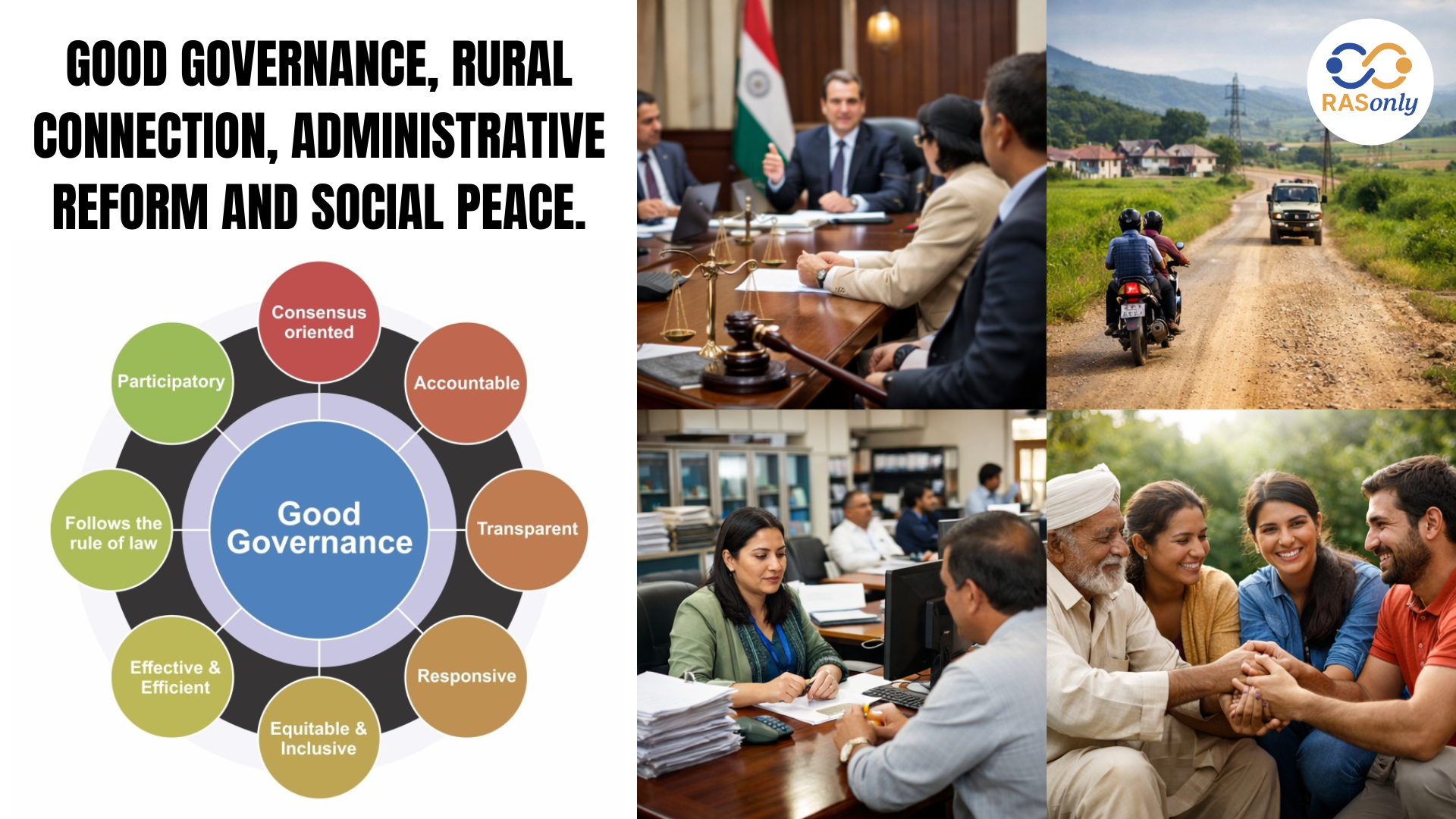
The Jaipur district administration initiated the campaign named as the Raasta Kholo Campaign is proving to be a good example of how a campaign launched by an administration can create a positive change in the lives of the people. The campaign, led by Chief Minister Bhajanlal Sharma, has aimed at re-opening closed rural access routes by dialogue, agreement and persuasion. Within 17 months and less, over 1,800 blocked roads have been opened in Jaipur district. It has enhanced connectivity to the rural areas, minimized distance and time taken in movement, enhanced accessibility to schools, markets, health care and provided a significant relief to the lakhs of villagers. The trust between the administration and the population as well as strengthening social peace has also been enhanced by the campaign.
Key Highlights
- Over 1,800 blocked paths in the Jaipur district have been opened during less than 17 months in the campaign.
- It is being done in the inspiration of Chief Minister Bhajanlal Sharma.
- It has been ensured that the Jaipur district administration has used the campaign as a beacon of attentive and sensitive governance.
- 3 paths have been opened per week in each tehsil as minimum.
- Phagi tehsil emerged as the overall winner as it re-opened the largest number of routes with 154 routes being opened.
- The campaign has been a relief and convenience to the lakhs of rural dwellers.
Major Impact on Rural Life
Lasadiya Panchayat is one of the model cases.
- A good example of the campaign is Lasadiya Panchayat in Jaipur district.
- The key challenge facing the villagers previously was the difficulty of travelling between Gaduda and Chakwara.
- The road was a lengthy and tiresome 17 kilometres path.
- The distance has been minimized to just 7 kilometres after a route that had been closed during the last 30 years was reopened.
- This has minimized everyday suffering, commuting and other costs incurred by the locals.
- The advantage has now been made more convenient and usable especially with the establishment of a gravel road.
Farmers, Students and Health Access Benefit
- The farmers can easily take their produce to the market.
- Traffic of agricultural equipment to the field has been made easier.
- Children no longer have to spend time in a long distance trip to school.
- Villages will be covered more rapidly with emergency medical services.
- There is a better connectivity in rural areas and life in villages has been made easier.
Administrative Strategy and Implementation
Consensus-Based Governance
- The campaign has not just been a form of administration but a demonstration of delicate governance.
- Old-fashioned arguments about blocked village, hamlet and field paths have been overcome by talk, concord and influence.
- The campaign has not only reopened physical access, but also avenues of credibility between the citizens and the administration.
- It has helped in solving local conflicts that have been there since time immemorial and enhancing social cohesion.
Timeline and Progress
- Reopening of 1802 paths in the campaign was announced by Additional District Collector Ashish Kumar between 15 November 2024 and 29 March 2026.
- The management was keen on continuum through establishing a target of opening at least 3 paths per week in each tehsil.
Tehsil-Wise Performance
- Phagi: 154 paths
- Maujamabad: 135 paths
- Chomu: 109 paths
- Shahpura: 106 paths
- Chaksu: 100 paths
- Phulera: 99 paths
- Jamwaramgarh: 96 paths
- Amer: 94 paths
- Dudu: 92 paths
- Rampura Dabri: 91 paths
- Madhorajpura: 86 paths
- Bassi: 85 paths
- Jobner: 84 paths
- Jalsu: 79 paths
- Kotkhawda: 78 paths
- Kishangarh: 77 paths
- Tunga: 61 paths
- Sanganer: 39 paths
- Kalwad: 10 paths
- Jaipur tehsil: 5 paths
Conclusion
The Raasta Kholo Campaign has not stopped at opening blocked roads. It has lessened poverty, enhanced availability of basic facilities, assisted farmers and students and solved the ancient rural conflicts. With administrative determination and popular approval, the campaign has taken the form of a relief, trust, social peace and good governance in Jaipur district. It demonstrates that proper management can be a great engine of actual grassroots change.
MCQs
1. What was the number of blocked paths opened in Jaipur district under the Raasta Kholo Campaign?15 November 2024 to 29 March 2026
a) 1,502
b) 1,802
c) 1,250
d) 1,900
Answer: b) 1,802
2. What was the maximum number of tehsils to reopen under the Raasta Kholo Campaign?
a) Maujamabad
b) Chomu
c) Phagi
d) Shahpura
Answer: c) Phagi
3. In the Lasadiya Panchayat case, how many kilometres was it before the path was reopened, actually 17 kilometres that was the distance between Gaduda and Chakwara, called?
a) 5 kilometres
b) 6 kilometres
c) 7 kilometres
d) 8 kilometres
Answer: c) 7 kilometres
सुशासन, ग्रामीण संपर्क, प्रशासनिक सुधार और सामाजिक सौहार्द
जयपुर जिला प्रशासन द्वारा शुरू किया गया रास्ता खोलो अभियान इस बात का सशक्त उदाहरण बन रहा है कि प्रशासन की एक पहल आमजन के जीवन में किस प्रकार सकारात्मक परिवर्तन ला सकती है। मुख्यमंत्री भजनलाल शर्मा की प्रेरणा से चलाया जा रहा यह अभियान संवाद, सहमति और समझाइश के माध्यम से बंद पड़े ग्रामीण रास्तों को पुनः खोलने पर केंद्रित है। 17 महीनों से भी कम समय में जयपुर जिले में 1,800 से अधिक अवरुद्ध रास्तों को खोला गया है। इससे ग्रामीण संपर्क बेहतर हुआ है, आवागमन की दूरी और समय कम हुआ है, विद्यालयों, बाजारों और स्वास्थ्य सेवाओं तक पहुंच आसान हुई है तथा लाखों ग्रामीणों को बड़ी राहत मिली है। इस अभियान ने प्रशासन और आमजन के बीच विश्वास को भी मजबूत किया है और सामाजिक सौहार्द को बढ़ावा दिया है।
मुख्य बिंदु
- इस अभियान के तहत 17 महीनों से भी कम समय में जयपुर जिले में 1,800 से अधिक बंद रास्ते खोले गए हैं।
- यह अभियान मुख्यमंत्री भजनलाल शर्मा की प्रेरणा से चलाया जा रहा है।
- जयपुर जिला प्रशासन ने इस अभियान को संवेदनशील और उत्तरदायी शासन के प्रतीक के रूप में स्थापित किया है।
- प्रत्येक तहसील में प्रति सप्ताह न्यूनतम 3 रास्ते खोलने का लक्ष्य अपनाया गया है।
- फागी तहसील ने सर्वाधिक 154 रास्ते खोलकर पहला स्थान प्राप्त किया।
- यह अभियान लाखों ग्रामीणों के लिए राहत और सुविधा का माध्यम बन गया है।
ग्रामीण जीवन पर प्रमुख प्रभाव
लसाड़िया पंचायत एक आदर्श उदाहरण
- इस अभियान का एक प्रेरक उदाहरण जयपुर जिले की लसाड़िया पंचायत में देखा जा सकता है।
- पहले ग्रामीणों को गडूड़ा से चकवाड़ा तक यात्रा करने में बहुत कठिनाई होती थी।
- यह मार्ग 17 किलोमीटर लंबा और अत्यंत थकाऊ था।
- 30 वर्षों से बंद पड़े रास्ते के खुलने के बाद यह दूरी घटकर मात्र 7 किलोमीटर रह गई।
- इससे स्थानीय लोगों की दैनिक परेशानी, यात्रा समय और अतिरिक्त खर्च में कमी आई है।
- ग्रेवल सड़क बनने से यह सुविधा और भी अधिक उपयोगी और व्यावहारिक हो गई है।
किसानों, विद्यार्थियों और स्वास्थ्य सेवाओं को लाभ
- किसान अब अपनी उपज को आसानी से बाजार तक पहुंचा पा रहे हैं।
- खेतों तक कृषि मशीनरी ले जाना अधिक सुगम हो गया है।
- बच्चों को अब स्कूल जाने के लिए लंबी दूरी तय नहीं करनी पड़ती।
- आपातकालीन स्वास्थ्य सेवाएं अब गांवों तक अधिक तेजी से पहुंच पा रही हैं।
- ग्रामीण क्षेत्रों में संपर्क व्यवस्था बेहतर हुई है और गांवों का जीवन अधिक सहज बना है।
प्रशासनिक रणनीति और कार्यान्वयन
सहमति आधारित शासन
- यह अभियान केवल प्रशासनिक कार्रवाई नहीं, बल्कि संवेदनशील शासन का उदाहरण बनकर उभरा है।
- गांवों, ढाणियों और खेतों के रास्तों से जुड़े पुराने विवादों को संवाद, सहमति और समझाइश से सुलझाया गया है।
- इस अभियान ने केवल भौतिक रास्ते ही नहीं खोले, बल्कि नागरिकों और प्रशासन के बीच विश्वास के रास्ते भी खोले हैं।
- इससे लंबे समय से चले आ रहे स्थानीय विवादों के समाधान में मदद मिली है और सामाजिक एकता मजबूत हुई है।
समय-सीमा और प्रगति
- अतिरिक्त जिला कलक्टर आशीष कुमार के अनुसार 15 नवम्बर 2024 से 29 मार्च 2026 तक इस अभियान के तहत कुल 1,802 रास्ते खोले गए।
- प्रशासन ने प्रत्येक तहसील में प्रति सप्ताह कम से कम 3 रास्ते खोलने का लक्ष्य निर्धारित कर अभियान को निरंतरता दी।
तहसीलवार प्रदर्शन
- फागी: 154 रास्ते
- मौजमाबाद: 135 रास्ते
- चौमूं: 109 रास्ते
- शाहपुरा: 106 रास्ते
- चाकसू: 100 रास्ते
- फुलेरा: 99 रास्ते
- जमवारामगढ़: 96 रास्ते
- आमेर: 94 रास्ते
- दूदू: 92 रास्ते
- रामपुरा डाबड़ी: 91 रास्ते
- माधोराजपुरा: 86 रास्ते
- बस्सी: 85 रास्ते
- जोबनेर: 84 रास्ते
- जालसू: 79 रास्ते
- कोटखावदा: 78 रास्ते
- किशनगढ़: 77 रास्ते
- तुंगा: 61 रास्ते
- सांगानेर: 39 रास्ते
- कालवाड़: 10 रास्ते
- जयपुर तहसील: 5 रास्ते
निष्कर्ष
रास्ता खोलो अभियान केवल बंद रास्तों को खोलने तक सीमित नहीं रहा है। इसने ग्रामीण कठिनाइयों को कम किया है, बुनियादी सुविधाओं तक पहुंच बढ़ाई है, किसानों और विद्यार्थियों को राहत दी है तथा पुराने ग्रामीण विवादों को समाप्त करने में मदद की है। प्रशासनिक प्रतिबद्धता और जनसहमति के साथ यह अभियान जयपुर जिले में राहत, विश्वास, सामाजिक सौहार्द और सुशासन का प्रतीक बन गया है। यह सिद्ध करता है कि प्रभावी प्रशासन जमीनी स्तर पर वास्तविक परिवर्तन का सशक्त माध्यम बन सकता है।
बहुविकल्पीय प्रश्न
1. रास्ता खोलो अभियान के तहत 15 नवम्बर 2024 से 29 मार्च 2026 के बीच जयपुर जिले में कितने बंद रास्ते खोले गए?
a) 1,502
b) 1,802
c) 1,250
d) 1,900
उत्तर: b) 1,802
2. रास्ता खोलो अभियान के तहत सर्वाधिक रास्ते किस तहसील में खोले गए?
a) मौजमाबाद
b) चौमूं
c) फागी
d) शाहपुरा
उत्तर: c) फागी
3. लसाड़िया पंचायत के उदाहरण में रास्ता खुलने के बाद गडूड़ा से चकवाड़ा की दूरी 17 किलोमीटर से घटकर कितनी रह गई?
a) 5 किलोमीटर
b) 6 किलोमीटर
c) 7 किलोमीटर
d) 8 किलोमीटर
उत्तर: c) 7 किलोमीटर