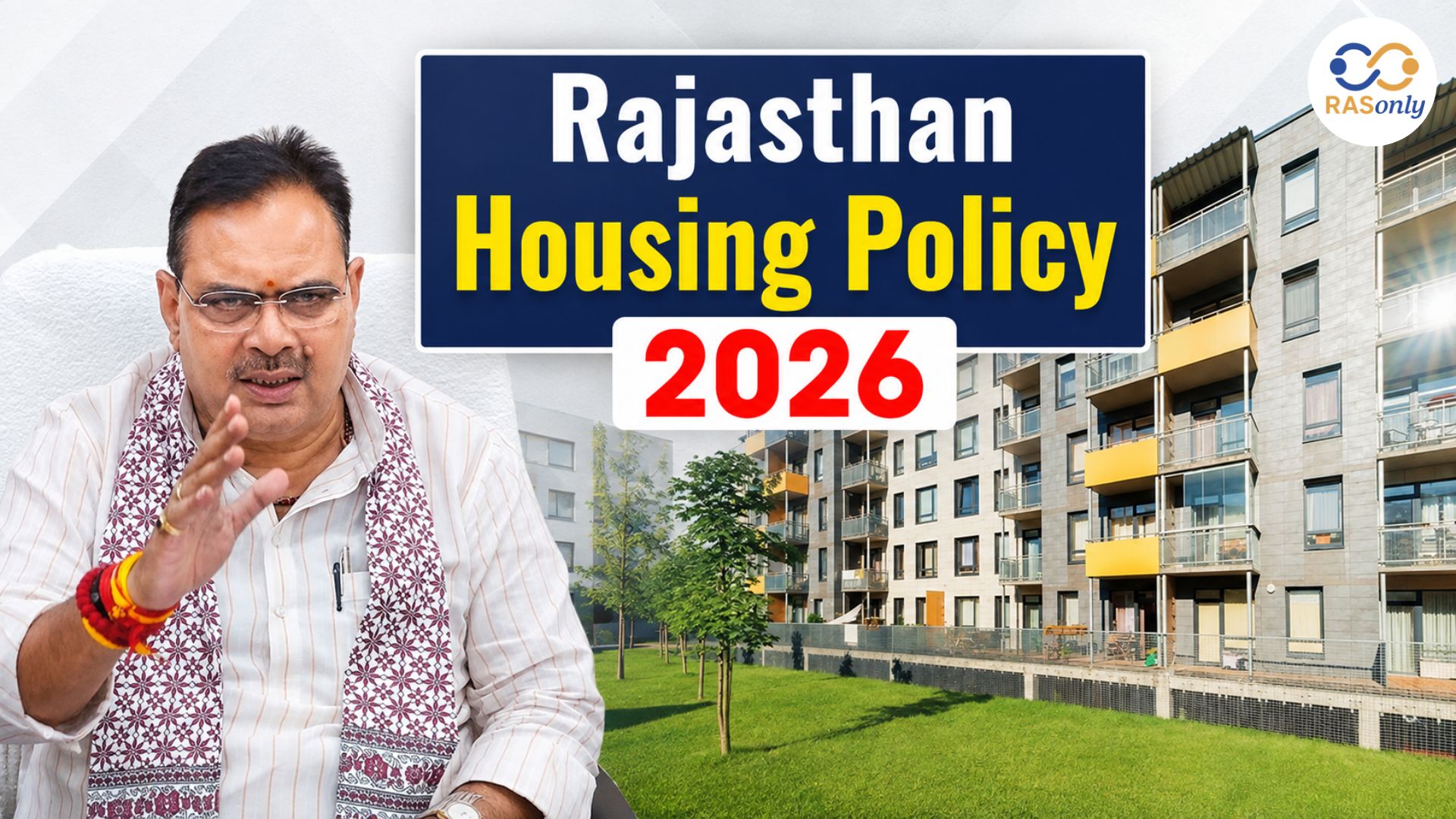
The Rajasthan Government is preparing to implement a new Rajasthan Public Housing Policy (Jan Awas Niti) aimed at reforming urban housing and colony development across the state. The Urban Development Department is not planning to publish a draft version of the policy for public comments and concerns, as is the usual practice. This move has sparked discussions about transparency, public participation, and the future of urban development in Rajasthan.
Why is the New Housing Policy in the News?
The proposed policy is a major departure from a successful and longstanding approach of engaging the public prior to the formulation of major urban development policies. The government says it has already engaged in serious discussions with builders, real estate developers and others internally. The department said the draft's release for public comment could slow down the implementation process. But experts believe that because the policy impacts homebuyers, land purchasers, housing projects and urban planning, there must be broad public engagement for equitable and inclusive policymaking.
Key Highlights
|
|
|
|
|
|
|
|
|
|
|
|
|
|
|
|
|
|
|
|
|
|
|
|
|
|
|
Concerns Regarding the Policy
The absence of public consultation may result in several challenges. Some of the difficulties that confront the homebuyer and plot owner could go unchecked, which reduces the impact for the general public. Experts also worry that builders' and developers' interests will take precedence over consumer welfare. Once implemented, if stakeholders find there are major problems, the government will need to make further changes or be subject to legal action. Moreover, the opacity might lead to queries regarding the process for establishing the provisions of the policy and the reasons behind the rejection or acceptance of some recommendations. Traditionally, public involvement in governance has been important to better governance, and restriction of this involvement may lead to less public trust in urban planning decisions.
Significance of the New Housing Policy
The new housing policy is anticipated to enable the development of colonies more efficiently, enhance urban infrastructure, promote planned residential development, and service the state's growing urban population. When done well, it can streamline approvals, encourage affordable housing, and aid in establishing a more structured real estate landscape. Creating transparency and balancing the involvement of stakeholders will also be essential to the policy's long-term effectiveness.
Conclusion
The Rajasthan Public Housing Policy is a significant reform in urban development policy within the state. The goal of the government seems to be more speedy implementation of the policies, but without public consultation, there has been discussion about transparency and citizen participation. An approach that is balanced, achieved by administrative efficiency and public participation, will lead to a more inclusive, feasible and sustainable housing policy in Rajasthan.
MCQs
1. Which department is preparing the new Rajasthan Public Housing Policy?
A. Public Works Department
B. Urban Development Department
C. Revenue Department
D. Housing Board
Answer: B. Urban Development Department
2. What is the major change proposed in the new Rajasthan Public Housing Policy?
A. Free housing for all citizens
B. Complete ban on private builders
C. Policy may be implemented without releasing the draft for public suggestions
D. Abolition of urban development authorities
Answer: C. Policy may be implemented without releasing the draft for public suggestions
3. Which sector will be directly affected by the new Rajasthan Public Housing Policy?
A. Agriculture only
B. Mining sector
C. Housing, real estate, and urban development
D. Tourism sector
Answer: C. Housing, real estate, and urban development
4. What is one of the major concerns regarding the proposed policy?
A. Increase in agricultural production
B. Lack of transparency and reduced public participation
C. Reduction in railway services
D. Closure of industrial areas
Answer: B. Lack of transparency and reduced public participation
राजस्थान जन आवास नीति 2026: राजस्थान सरकार लागू करेगी नई जन आवास नीति
राजस्थान सरकार राज्य में नई जन आवास नीति (Jan Awas Niti) लागू करने की तैयारी कर रही है। इस नीति का उद्देश्य शहरी आवास, कॉलोनी विकास और नगरीय विकास व्यवस्था में सुधार करना है। सामान्यतः किसी भी महत्वपूर्ण शहरी विकास नीति का ड्राफ्ट जनता से सुझाव और आपत्तियां लेने के लिए सार्वजनिक किया जाता है, लेकिन इस बार नगरीय विकास विभाग प्रस्तावित नीति का मसौदा सार्वजनिक करने के पक्ष में नहीं है। इस निर्णय ने पारदर्शिता, जनभागीदारी और राजस्थान के शहरी विकास की दिशा को लेकर नई बहस शुरू कर दी है।
नई जन आवास नीति चर्चा में क्यों है?
प्रस्तावित जन आवास नीति वर्षों से चली आ रही उस परंपरा से अलग है, जिसमें किसी भी महत्वपूर्ण नीति को अंतिम रूप देने से पहले जनता, विशेषज्ञों और संबंधित पक्षों से सुझाव लिए जाते थे। सरकार का कहना है कि बिल्डर्स, रियल एस्टेट डेवलपर्स और अन्य स्टेकहोल्डर्स के साथ पहले ही विस्तृत इन-हाउस बैठकें की जा चुकी हैं। विभाग का मानना है कि यदि ड्राफ्ट को सार्वजनिक किया गया तो सुझाव और आपत्तियों के कारण नीति लागू होने में देरी हो सकती है। हालांकि विशेषज्ञों का मानना है कि यह नीति सीधे घर खरीदने वालों, भू-खंड खरीदारों, आवासीय परियोजनाओं और शहरी नियोजन से जुड़ी हुई है, इसलिए इसे अधिक पारदर्शी और सहभागी बनाना आवश्यक है।
मुख्य बिंदु (Key Highlights)
|
|
|
|
|
|
|
|
|
|
|
|
|
|
|
|
|
|
|
|
|
|
|
|
|
|
|
नीति से जुड़ी प्रमुख चिंताएं
यदि नीति को बिना सार्वजनिक सुझावों के लागू किया जाता है, तो कई व्यावहारिक समस्याएं सामने आ सकती हैं। घर और भू-खंड खरीदने वाले लोगों की वास्तविक समस्याएं नीति में शामिल नहीं हो पाएंगी, जिससे आम नागरिकों के हित प्रभावित हो सकते हैं। विशेषज्ञों का मानना है कि ऐसी स्थिति में बिल्डर्स और डेवलपर्स के हित उपभोक्ताओं की अपेक्षा अधिक महत्व पा सकते हैं। यदि नीति लागू होने के बाद बड़े स्तर पर आपत्तियां सामने आती हैं, तो सरकार को बार-बार संशोधन करने पड़ सकते हैं या कानूनी विवादों का सामना करना पड़ सकता है। इसके अलावा, पारदर्शिता की कमी के कारण यह स्पष्ट नहीं हो पाएगा कि किन सुझावों को स्वीकार या अस्वीकार किया गया। जनभागीदारी लोकतांत्रिक नीति निर्माण का महत्वपूर्ण हिस्सा है और इसकी कमी से लोगों का विश्वास भी प्रभावित हो सकता है।
नई जन आवास नीति का महत्व
नई जन आवास नीति से राज्य में कॉलोनियों के नियोजित विकास, शहरी आधारभूत संरचना में सुधार और बढ़ती शहरी आबादी की आवासीय आवश्यकताओं को पूरा करने में सहायता मिलने की उम्मीद है। यह नीति यदि प्रभावी रूप से लागू होती है, तो आवासीय परियोजनाओं की स्वीकृति प्रक्रिया को सरल बना सकती है, किफायती आवास को बढ़ावा दे सकती है और राज्य में अधिक व्यवस्थित रियल एस्टेट विकास सुनिश्चित कर सकती है। हालांकि इसकी सफलता के लिए पारदर्शिता, जवाबदेही और सभी हितधारकों की संतुलित भागीदारी आवश्यक होगी।
निष्कर्ष
राजस्थान की नई जन आवास नीति राज्य के शहरी विकास क्षेत्र में एक महत्वपूर्ण सुधार मानी जा रही है। सरकार का उद्देश्य नीति को शीघ्र लागू करना है, लेकिन ड्राफ्ट को सार्वजनिक न करने के निर्णय ने पारदर्शिता और जनभागीदारी को लेकर कई सवाल खड़े किए हैं। यदि प्रशासनिक दक्षता के साथ नागरिकों की भागीदारी को भी महत्व दिया जाए, तो यह नीति अधिक समावेशी, व्यावहारिक और दीर्घकालिक रूप से सफल साबित हो सकती है।
MCQs
1. राजस्थान की नई जन आवास नीति किस विभाग द्वारा तैयार की जा रही है?
A. लोक निर्माण विभाग
B. नगरीय विकास विभाग
C. राजस्व विभाग
D. राजस्थान आवासन मंडल
उत्तर: B. नगरीय विकास विभाग
2. नई जन आवास नीति में सबसे बड़ा प्रस्तावित बदलाव क्या है?
A. सभी नागरिकों को मुफ्त आवास देना
B. निजी बिल्डर्स पर पूर्ण प्रतिबंध लगाना
C. ड्राफ्ट नीति को सार्वजनिक सुझावों के लिए जारी नहीं किया जा सकता
D. सभी शहरी विकास प्राधिकरणों को समाप्त करना
उत्तर: C. ड्राफ्ट नीति को सार्वजनिक सुझावों के लिए जारी नहीं किया जा सकता
3. नई जन आवास नीति का सीधा प्रभाव किस क्षेत्र पर पड़ेगा?
A. केवल कृषि क्षेत्र
B. खनन क्षेत्र
C. आवास, रियल एस्टेट और शहरी विकास
D. पर्यटन क्षेत्र
उत्तर: C. आवास, रियल एस्टेट और शहरी विकास
4. प्रस्तावित जन आवास नीति को लेकर प्रमुख चिंता क्या है?
A. कृषि उत्पादन में वृद्धि
B. पारदर्शिता और जनभागीदारी में कमी
C. रेलवे सेवाओं में कमी
D. औद्योगिक क्षेत्रों का बंद होना
उत्तर: B. पारदर्शिता और जनभागीदारी में कमी
