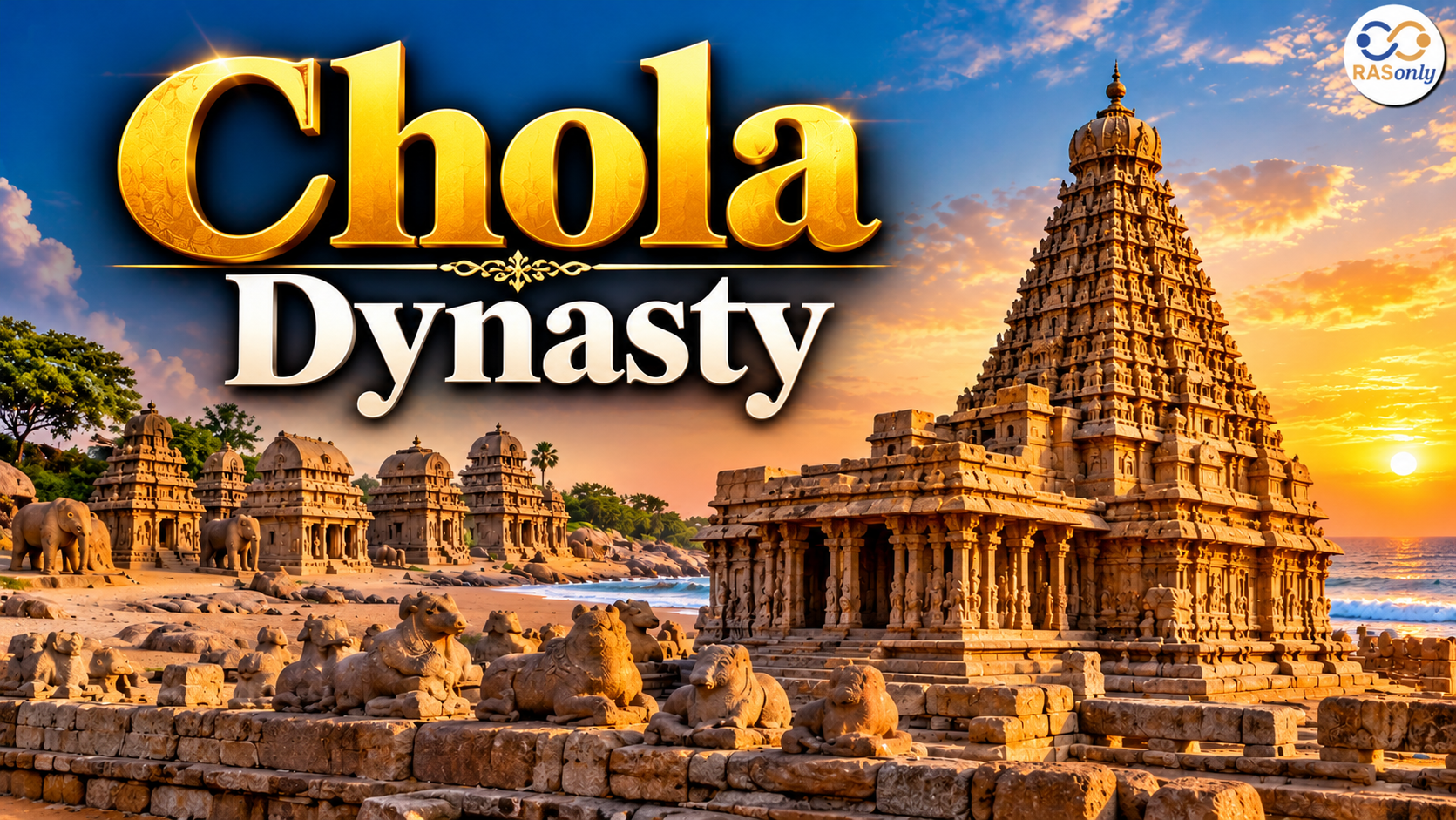
Chola Dynasty: Capital, Founder, Kings, Time Period and History
Food and Nutrition: Types of Nutrients, and Government Initiatives

Get in Touch with RASonly!



Nutrition begins with food. Nutrition refers to the process through which the body feeds on itself converting food to energy and body tissues. The science of nutrition is about all that is done to food within the body to continue the functions. Food contains some important materials known as nutrients. The body requires them to assist the body to produce energy; develop, repair, and support its tissues; and ensure that its various systems operate efficiently. All organisms find nutrition significant. Nonetheless, this paper will be devoted to nutrition in the context of the human body.
Nutrition may also be used to mean the quality of food that one eats or diet. Balanced diet is a diet where the food consumed regularly comprises of all the nutrients required in the correct proportions. There is a lot of advantage to a balanced diet. It has the power to make people look and feel good. It can also enable them to remain vigorous and healthy not only in the near future, but also in the future.
Types of Nutrients
Nutrients are substances that the body needs to function properly and stay healthy. There are six main types of nutrients, each serving a specific purpose in maintaining bodily functions. Here's a breakdown of these essential nutrients:
1. Carbohydrates
Carbohydrates are the main source of energy to the body. They are digestible into glucose (sugar) that the body uses as energy. Carbohydrates are of two types:
- Simple Carbohydrates: These are present in sugars and are composed of such foods as sweeteners such as honey, sweeteners, and fruits as well as milk.
- Complex Carbohydrates: They are present in such foods as whole grains, legumes, and vegetables. These are more difficult to digest, and thus they give a sustained energy.
Function: The carbohydrates provide energy to the brain, muscle, and other organs.
2. Proteins
Proteins are made up of amino acids and are essential for growth, repair, and maintenance of body tissues. They also play a role in immune function and enzyme production.
- Complete Proteins: Contain all the essential amino acids (e.g., meat, fish, eggs, and dairy).
- Incomplete Proteins: Lack one or more essential amino acids (e.g., beans, lentils, and nuts).
Function: Proteins are crucial for tissue repair, immune health, and hormone production.
3. Fats
Fats are a concentrated energy source and are needed to maintain cell structure, hormone production, and absorption of the fat-soluble vitamins (A, D, E and K).
- Saturated Fats: These are present in animal food such as meat and dairy, and in some plant oils such as coconut oil. The overuse may cause health complications such as heart diseases.
- Unsaturated Fats: This group of fats has plant oils, nuts, seeds, and fish. These fats are regarded as heart healthy.
- Trans Fats: Fats that are used in processed foods. They are to be eliminated in favor of health.
Role: Fats are a long term source of energy, they protect the organs and also assist in the absorption of certain vitamins.
4. Vitamins
Vitamins are organic compounds that the body needs in small amounts to maintain health. They help with metabolism, immunity, and cell and tissue function. There are two main categories:
- Water-Soluble Vitamins: Include Vitamin C and all B vitamins. These are not stored in the body and need to be consumed regularly.
- Fat-Soluble Vitamins: Include Vitamins A, D, E, and K. These are stored in the body's fat and liver for future use.
Function: Vitamins support immune health, energy production, and cell repair.
5. Minerals
Minerals are organic substances that sustain a broad spectrum of body processes, such as the health of the bones, muscle, as well as fluid balance.
- Macrominerals: These are required in large quantities, such as calcium, phosphorus, magnesium, sodium, potassium, and chloride.
- Microminerals: These are smaller amounts of mineral required like iron, zinc, iodine, and copper.
Role: The role of minerals is to enhance the strength of bones, nerve conduction, and red blood cells.
6. Water
Water is essential for nearly all bodily functions. It makes up a large portion of the body and is involved in digestion, nutrient absorption, temperature regulation, and waste elimination.
Function: Water hydrates the body, aids in digestion, and regulates body temperature.
Government Initiatives for Food and Nutrition Security
A number of governmental initiatives intend to enhance nutrition and the food security issues in Rajasthan. Important programs include:
- Public Distribution System (PDS): Provides subsidized food grains to low-income families to combat hunger and food insecurity.
- Mid-Day Meal Scheme (MDM): Provides healthy meals to school-going children to enhance their health and education.
- Integrated Child Development Services (ICDS): It is concerned with the health and nutrition of children and their mothers and services such as supplementary nutrition, immunization, and health check-ups are available.
Conclusion
The nutritional value of eating is crucial in keeping one healthy, energized, and generally well. The balanced diet that will include all the six nutrients will assist the body to work well. Government programs such as PDS, MDM, and ICDS are critical towards enhancing food security and poor children and families in India have better nutrition.
BEST SELLER
🏆 PRELIMS
RAS Pass
Prelims focused Hindi & English
₹399
✓
Prelims Topic-Wise Tests
✓
Subject-Wise Tests
✓
Full-Length Prelims Tests
✓
Daily Current Affairs Tests
✓
Prelims PYQs Tests
✓
Detailed Solutions & Analysis
✓
All Rajasthan Ranking
✓
Unlimited Reattempts
✓
Mains Tests
✓
Hindi & English Tests
✓
All Rajasthan Ranking
Trusted by 5,000+ Students
Post Category
- RAS Salary
- Result
- RAS Admit Card
- RAS Job
- RAS Cutoff
- Preparation Tips
- RAS Answer Key
- RAS Exam Analysis
- RAS Syllabus
- RAS Previous Year Papers
- RPSC RAS Exam Pattern
- RAS Interview
- RAS Exam Date
- RAS Vacancy
- RAS Test Series
- RAS Best Books
- RAS Preparation Resources
- RAS Coaching Centre
- History
- Polity
- Geography
- Economics
- Science
- Art and Culture
- RPSC RAS Application Form
- RPSC RAS Notification
- RAS Eligibility Criteria
- UPSC Exam
- RPSC RAS Mains
Visit Our RASonly Offline Center
Our Expert Faculty

Bhunesh Sir
Current Affairs · 13+ Yrs

Aamir Khan Sir
RAS-2017 · IIM Ahm.
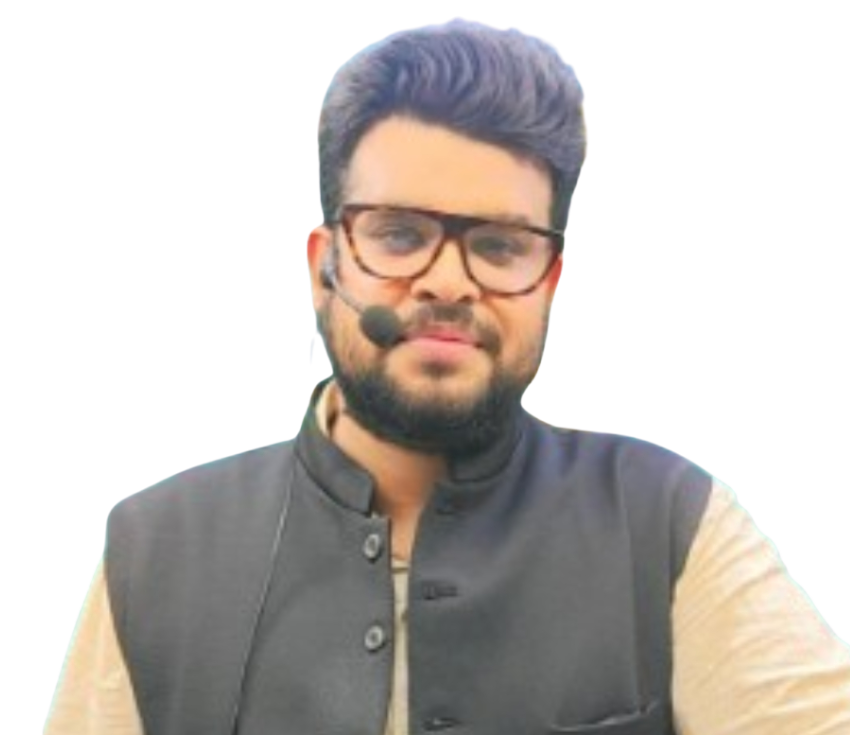
Akash Sir
Polity · 8+ Yrs
Free Resources
Official Mobile App

RASOnly App
by OTSAdda · Free
Full Video Lectures
Mock Tests & PYQs
Daily Current Affairs
AI Mock Interview
Free Download · No subscription needed to install
RAS 2024 Toppers — RASonly
Rank 2
Virendra Charan
Rank 9
Bhoopinder Singh
Rank 26
Aanchal Nagpal
Rank 33
Lokendra Singh
Rank 45
Amar Rathore
Rank 46
Manasvini Verma

Join RASonly WhatsApp Community
Get daily current affairs, exam alerts, free study material and tips from expert faculty — right on WhatsApp.
Join for Free →RASonly Interview Guidance Program

Mr. Ashok Jain
Ex-Chief Secretary Govt of Rajasthan
- IAS officer of the 1981 batch, Rajasthan cadre.
- Passionate about mentoring the next generation of RAS officers with real-world insights.
- Got retired in Dec 2017 from the post of Chief Secretary of the state of Rajasthan.

Mr. Guru Charan Rai
Ex-ASP / SP in Jaisalmer
- Guru Charan Rai, IPS (Retd), retired as Inspector General of Police (Security), Rajasthan, Jaipur in 2017.
- Served as ASP and SP in Jaisalmer, Nagaur, Sri Ganganagar, Sawai Madhopur, Dausa, Sikar, and Karauli.
- He also held key positions as DIGP and IGP in the Law and Order division.

Mr. Rakesh Verma
Ex-IAS Officer, B.Tech, MBA, and M.A. (Economics)
- IAS officer of the 1981 batch and retired in Chief Secretary Rank.
- Civil servant of high repute and vast experience.
- Has been teaching UPSC CSE subjects for the last six years.
Related Post


Daily Current Affairs for RAS Exam Preparation 2026

Ustad Bismillah Khan Yuva Puraskar
October 24, 2026
Marwar Festival 2026
October 24, 2026
Kundan Art Display in Hong Kong
October 23, 2026