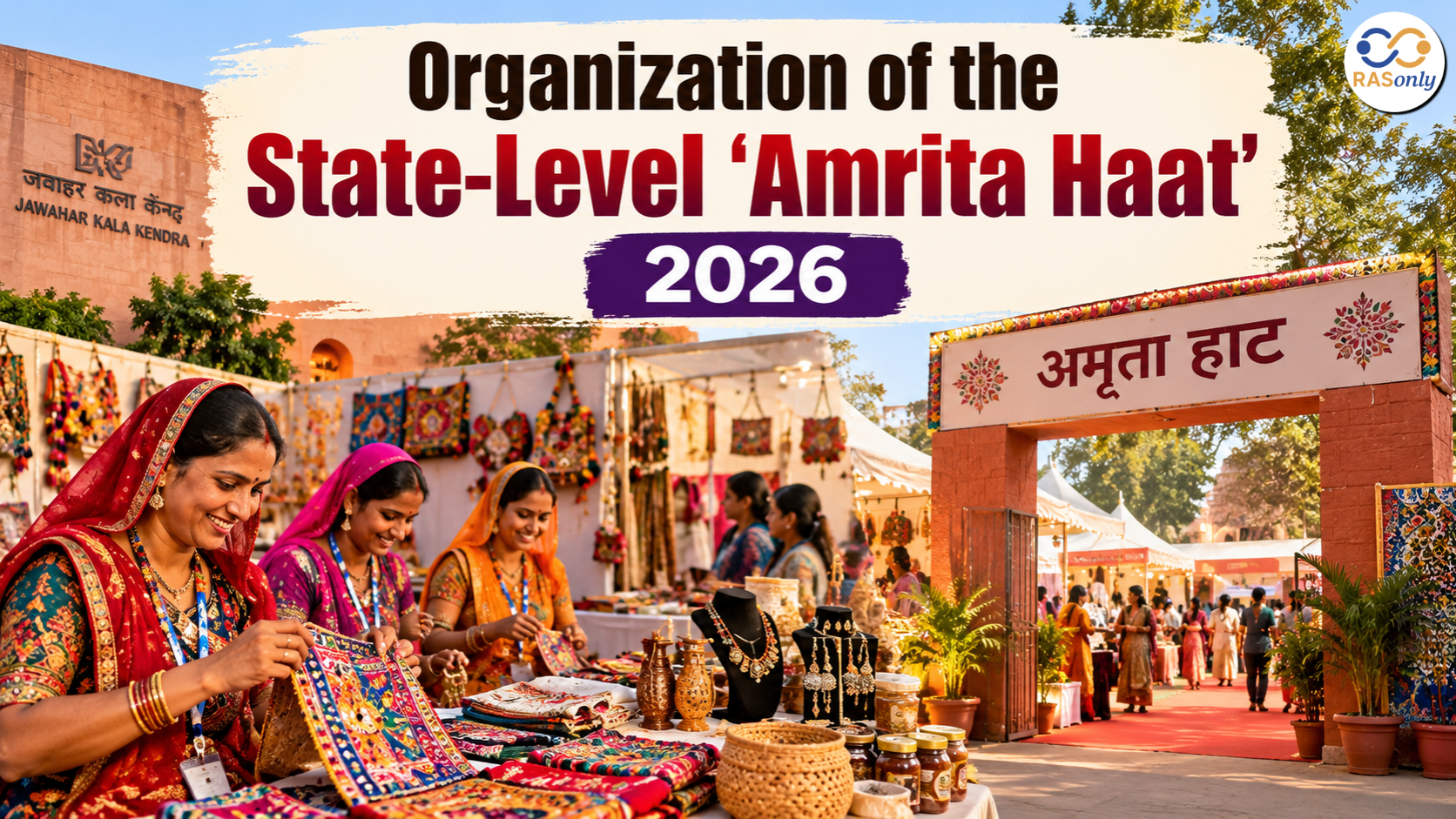
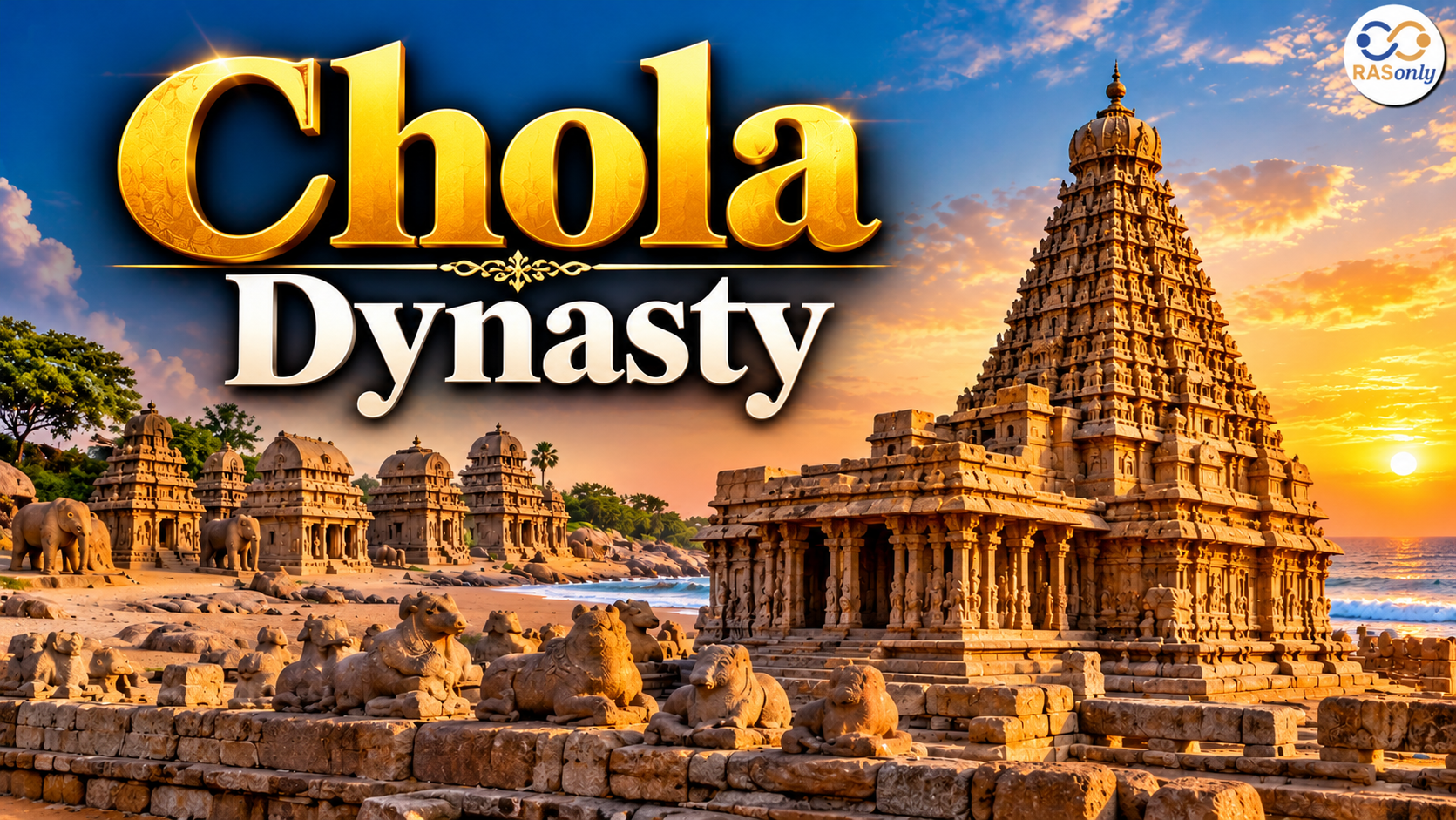
Chola Dynasty: Capital, Founder, Kings, Time Period and History
Article 42 in the Constitution of India

Get in Touch with RASonly!



Article 42 seeks to ensure humane work conditions and provide for maternity relief. It states that “The State shall make provision for securing just and humane conditions of work and for maternity relief.” It is a principle of socialistic nature and is dedicated to achieving the social and economic welfare of the people with the objective of establishing India as a Welfare State.
Objectives & Legislative Implications
The main objectives of Article 42 are:
- To ensure dignified work for all employees, recognizing that labor is not a commodity.
- To protect women workers during pregnancy and childbirth by providing maternity benefits and job security.
The article has influenced a number of labor-welfare statutes, such as the Maternity Benefit Act, 1961, and provisions in the Factories Act, 1948 regarding working conditions.
Key Features at a Glance
|
|
|
|
|
|
|
|
|
|
|
|
|
|
|
|
|
|
Judgments & Practical Significance
Although Article 42 itself cannot be claimed in court, judicial decisions have referred to it when interpreting labor legislation or rights of women workers. For instance, the courts have used it as a guiding principle to strike down state rules that denied maternity leave.
Practically, this article reminds governments of their obligation to ensure labor welfare and gender-sensitive work policies. It is an important provision linking constitutional values to labor and social legislation.
Conclusion
In short, Article 42 encapsulates a crucial constitutional mandate: the state must ensure humane working conditions and maternity relief. Although graduates and candidates cannot directly invoke it in court, it plays a significant role in shaping labor policy and legislation. Understanding Article 42 means understanding its location in Part IV, its policy nature, its dual focus (working conditions + maternity relief), and its practical impact on legislation and judicial interpretation.

BEST SELLER
🏆 PRELIMS
RAS Pass
Prelims focused Hindi & English
₹399
✓
Prelims Topic-Wise Tests
✓
Subject-Wise Tests
✓
Full-Length Prelims Tests
✓
Daily Current Affairs Tests
✓
Prelims PYQs Tests
✓
Detailed Solutions & Analysis
✓
All Rajasthan Ranking
✓
Unlimited Reattempts
✓
Mains Tests
✓
Hindi & English Tests
✓
All Rajasthan Ranking
Trusted by 5,000+ Students
Post Category
- RAS Salary
- Result
- RAS Admit Card
- RAS Job
- RAS Cutoff
- Preparation Tips
- RAS Answer Key
- RAS Exam Analysis
- RAS Syllabus
- RAS Previous Year Papers
- RPSC RAS Exam Pattern
- RAS Interview
- RAS Exam Date
- RAS Vacancy
- RAS Test Series
- RAS Best Books
- RAS Preparation Resources
- RAS Coaching Centre
- History
- Polity
- Geography
- Economics
- Science
- Art and Culture
- RPSC RAS Application Form
- RPSC RAS Notification
- RAS Eligibility Criteria
- UPSC Exam
- RPSC RAS Mains
Visit Our RASonly Offline Center
Our Expert Faculty

Bhunesh Sir
Current Affairs · 13+ Yrs

Aamir Khan Sir
RAS-2017 · IIM Ahm.

Akash Sir
Polity · 8+ Yrs
Free Resources
Official Mobile App

RASOnly App
by OTSAdda · Free
Full Video Lectures
Mock Tests & PYQs
Daily Current Affairs
AI Mock Interview
Free Download · No subscription needed to install
RAS 2024 Toppers — RASonly
Rank 2
Virendra Charan
Rank 9
Bhoopinder Singh
Rank 26
Aanchal Nagpal
Rank 33
Lokendra Singh
Rank 45
Amar Rathore
Rank 46
Manasvini Verma

Join RASonly WhatsApp Community
Get daily current affairs, exam alerts, free study material and tips from expert faculty — right on WhatsApp.
Join for Free →RASonly Interview Guidance Program

Mr. Ashok Jain
Ex-Chief Secretary Govt of Rajasthan
- IAS officer of the 1981 batch, Rajasthan cadre.
- Passionate about mentoring the next generation of RAS officers with real-world insights.
- Got retired in Dec 2017 from the post of Chief Secretary of the state of Rajasthan.

Mr. Guru Charan Rai
Ex-ASP / SP in Jaisalmer
- Guru Charan Rai, IPS (Retd), retired as Inspector General of Police (Security), Rajasthan, Jaipur in 2017.
- Served as ASP and SP in Jaisalmer, Nagaur, Sri Ganganagar, Sawai Madhopur, Dausa, Sikar, and Karauli.
- He also held key positions as DIGP and IGP in the Law and Order division.

Mr. Rakesh Verma
Ex-IAS Officer, B.Tech, MBA, and M.A. (Economics)
- IAS officer of the 1981 batch and retired in Chief Secretary Rank.
- Civil servant of high repute and vast experience.
- Has been teaching UPSC CSE subjects for the last six years.
Related Post


Daily Current Affairs for RAS Exam Preparation 2026

Conclusion of Multinational Exercise Tarang Shakti 2.0
October 15, 2026
PM Dhan-Dhaanya Krishi Yojana 2026
October 15, 2026
Inauguration of the 133rd National Dussehra Fair 2026
October 14, 2026