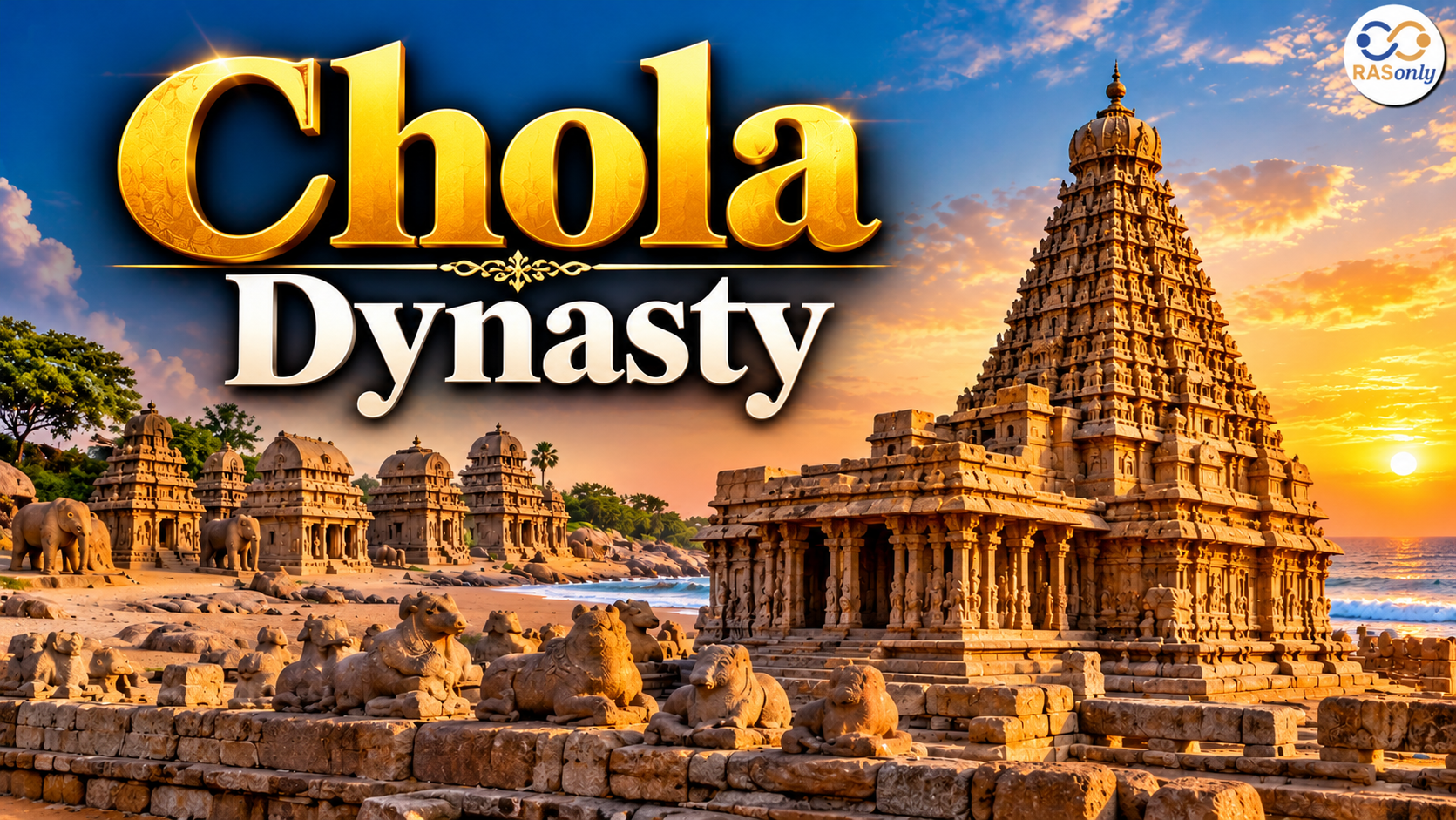
Chola Dynasty: Capital, Founder, Kings, Time Period and History
Governor General and Viceroy of India (1773–1950): Complete History, Powers, Acts & Timeline

Get in Touch with RASonly!

The Governor General of India was the highest colonial authority, shaping administration, laws, and key political events from 1773 to 1950. The role evolved from Governor-General to Viceroy after 1858, overseeing major wars, reforms, and national movements. It ended in 1950 with India’s transition to a republic.
The Governor General of India was the chief executive authority of British India. Initially appointed by the East India Company, the office later became the representative of the British Crown after 1858. The Governor General controlled administration, military affairs, revenue, legislation, and foreign policy within India.
After the Government of India Act 1858, the same position was also called the Viceroy of India, as the official represented the British monarch.


The British rule in India began as a trading unit, when East India Company was given a Royal Charter by Queen Elizabeth I on 31 December 1600. The British became a trading power but within a span of almost three hundred years it transformed to being among the most powerful nations globally.
Britain could build one of the most biggest empires in the world even after being a small country in the form of an island. The size of the empire may be represented by the following phrase: the empire on which the Sun never sets.
On the background of the well-built and effective bureaucracy that Britain had established in its colonies, it was able to accomplish this massive feat. In India, the British could achieve this dominance using Governor-General and Viceroys.
- Governor-General of Bengal (1773-1833): At the time when East India Company entered India, it ruled the Bengal through a title of Governor of Bengal (first Governor of Bengal: Robert Clive).
- There was a Governor to other Presidencies, Bombay and Madras.
- But since the enactment of the regulating act 1773 the office of Governor of Bengal was changed to Governor- General of Bengal (First Governor-General of Bengal was Warren Hastings).
- By this Act Governor of Bombay and Madras served under the Governor-General of Bengal.
- Governor-General of India (1833-58): he name of the post of Governor-General of Bengal, changed by the post name Governor-General of India by Charter Act of 1833, again became Governor-General of India (first Governor-General of India was William Bentinck).
- This was an administrative post and reported to the Court of Directors of the East India Company.
- Viceroy (1858-1947): The company rule was declared dead and India was under the direct rule of the British crown after the revolt of 1857.
- Government of India Act 1858 was passed altering the title of the post-Governor General of India to Viceroy of India.
- The appointment of the Viceroy was made by the British government.
- Lord Canning was the first Viceroy of India.
Major Events Under Governors-General & Viceroys of India
| Governors-General & Viceroys (Period) | Events During Regime |
|---|---|
| Warren Hastings (1773–1785) |
|
| Lord Cornwallis (1786–1793) |
|
| Lord Wellesley (1798–1805) |
|
| Lord Minto I (1807–1813) |
|
| Lord Hastings (1813–1823) |
|
| Lord Amherst (1823–1828) |
|
| Lord William Bentinck (1828–1835) |
|
| Lord Auckland (1836–1842) |
|
| Lord Hardinge I (1844–1848) |
|
| Lord Dalhousie (1848–1856) |
|
| Lord Canning (1856–1862) |
|
| Lord John Lawrence (1864–1869) |
|
| Lord Lytton (1876–1880) |
|
| Lord Ripon (1880–1884) |
|
| Lord Dufferin (1884–1888) |
|
| Lord Lansdowne (1888–1894) |
|
| Lord Curzon (1899–1905) |
|
| Lord Minto II (1905–1910) |
|
| Lord Hardinge II (1910–1916) |
|
| Lord Chelmsford (1916–1921) |
|
| Lord Reading (1921–1926) |
|
| Lord Irwin (1926–1931) |
|
| Lord Willingdon (1931–1936) |
|
| Lord Linlithgow (1936–1944) |
|
| Lord Wavell (1944–1947) |
|
| Lord Mountbatten (1947–1948) |
|
| Chakravarti Rajagopalachari (1948–1950) |
|
The Governor-General shaped India’s administrative structure, revenue systems, military organization, judiciary, and legislative councils. Many modern institutions such as civil services, railways, universities, and codified laws developed during this period. However, the policies also triggered economic exploitation, political unrest, and the rise of Indian nationalism.
Conclusion
The office of the Governor General played a crucial role in the administration of British India and the early years of Indian independence. Initially created to maintain British control, the role evolved over time, reflecting the changing political dynamics of India. After independence, the position became largely ceremonial before being abolished in 1950 with the implementation of the Indian Constitution.
The Governor General remains a significant figure in the history of India, with the actions of certain individuals shaping the political landscape during both colonial rule and the transition to a republic. The legacy of the office continues to influence the way India’s governance is understood and remembered today.
FAQ
The first Governor-General of Bengal was Warren Hastings in 1773. He was appointed after the Regulating Act of 1773 and laid the foundation of British administrative control in India.
The first Governor-General of India under the Charter Act of 1833 was Lord William Bentinck. He is known for major social reforms including the abolition of Sati.
The first Viceroy of India was Lord Canning in 1858, after the Government of India Act 1858 transferred power from the East India Company to the British Crown.
The last Governor-General of independent India was Chakravarti Rajagopalachari, who served from 1948 to 1950 before the post was abolished.
The office of the Governor-General was abolished on 26 January 1950, when India adopted its Constitution and became a republic, replacing the position with the President of India.
BEST SELLER
🏆 PRELIMS
RAS Pass
Prelims focused Hindi & English
₹399
✓
Prelims Topic-Wise Tests
✓
Subject-Wise Tests
✓
Full-Length Prelims Tests
✓
Daily Current Affairs Tests
✓
Prelims PYQs Tests
✓
Detailed Solutions & Analysis
✓
All Rajasthan Ranking
✓
Unlimited Reattempts
✓
Mains Tests
✓
Hindi & English Tests
✓
All Rajasthan Ranking
Trusted by 5,000+ Students
Post Category
- RAS Salary
- Result
- RAS Admit Card
- RAS Job
- RAS Cutoff
- Preparation Tips
- RAS Answer Key
- RAS Exam Analysis
- RAS Syllabus
- RAS Previous Year Papers
- RPSC RAS Exam Pattern
- RAS Interview
- RAS Exam Date
- RAS Vacancy
- RAS Test Series
- RAS Best Books
- RAS Preparation Resources
- RAS Coaching Centre
- History
- Polity
- Geography
- Economics
- Science
- Art and Culture
- RPSC RAS Application Form
- RPSC RAS Notification
- RAS Eligibility Criteria
- UPSC Exam
- RPSC RAS Mains
Visit Our RASonly Offline Center
Our Expert Faculty

Bhunesh Sir
Current Affairs · 13+ Yrs

Aamir Khan Sir
RAS-2017 · IIM Ahm.
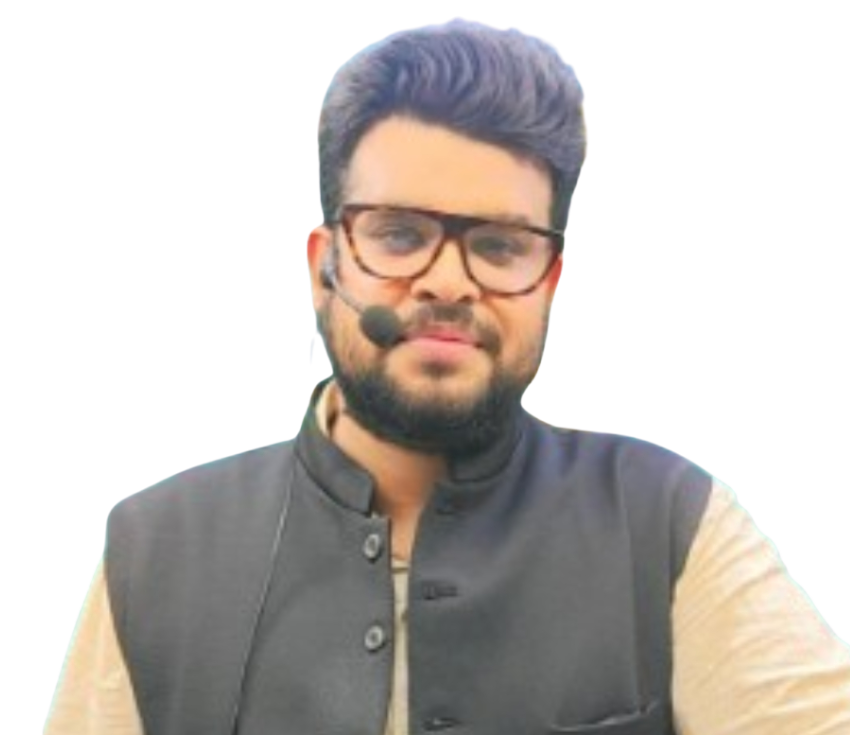
Akash Sir
Polity · 8+ Yrs
Free Resources
Official Mobile App

RASOnly App
by OTSAdda · Free
Full Video Lectures
Mock Tests & PYQs
Daily Current Affairs
AI Mock Interview
Free Download · No subscription needed to install
RAS 2024 Toppers — RASonly
Rank 2
Virendra Charan
Rank 9
Bhoopinder Singh
Rank 26
Aanchal Nagpal
Rank 33
Lokendra Singh
Rank 45
Amar Rathore
Rank 46
Manasvini Verma

Join RASonly WhatsApp Community
Get daily current affairs, exam alerts, free study material and tips from expert faculty — right on WhatsApp.
Join for Free →RASonly Interview Guidance Program

Mr. Ashok Jain
Ex-Chief Secretary Govt of Rajasthan
- IAS officer of the 1981 batch, Rajasthan cadre.
- Passionate about mentoring the next generation of RAS officers with real-world insights.
- Got retired in Dec 2017 from the post of Chief Secretary of the state of Rajasthan.

Mr. Guru Charan Rai
Ex-ASP / SP in Jaisalmer
- Guru Charan Rai, IPS (Retd), retired as Inspector General of Police (Security), Rajasthan, Jaipur in 2017.
- Served as ASP and SP in Jaisalmer, Nagaur, Sri Ganganagar, Sawai Madhopur, Dausa, Sikar, and Karauli.
- He also held key positions as DIGP and IGP in the Law and Order division.

Mr. Rakesh Verma
Ex-IAS Officer, B.Tech, MBA, and M.A. (Economics)
- IAS officer of the 1981 batch and retired in Chief Secretary Rank.
- Civil servant of high repute and vast experience.
- Has been teaching UPSC CSE subjects for the last six years.
Related Post
Daily Current Affairs for RAS Exam Preparation 2026

Kundan Art Display in Hong Kong
October 23, 2026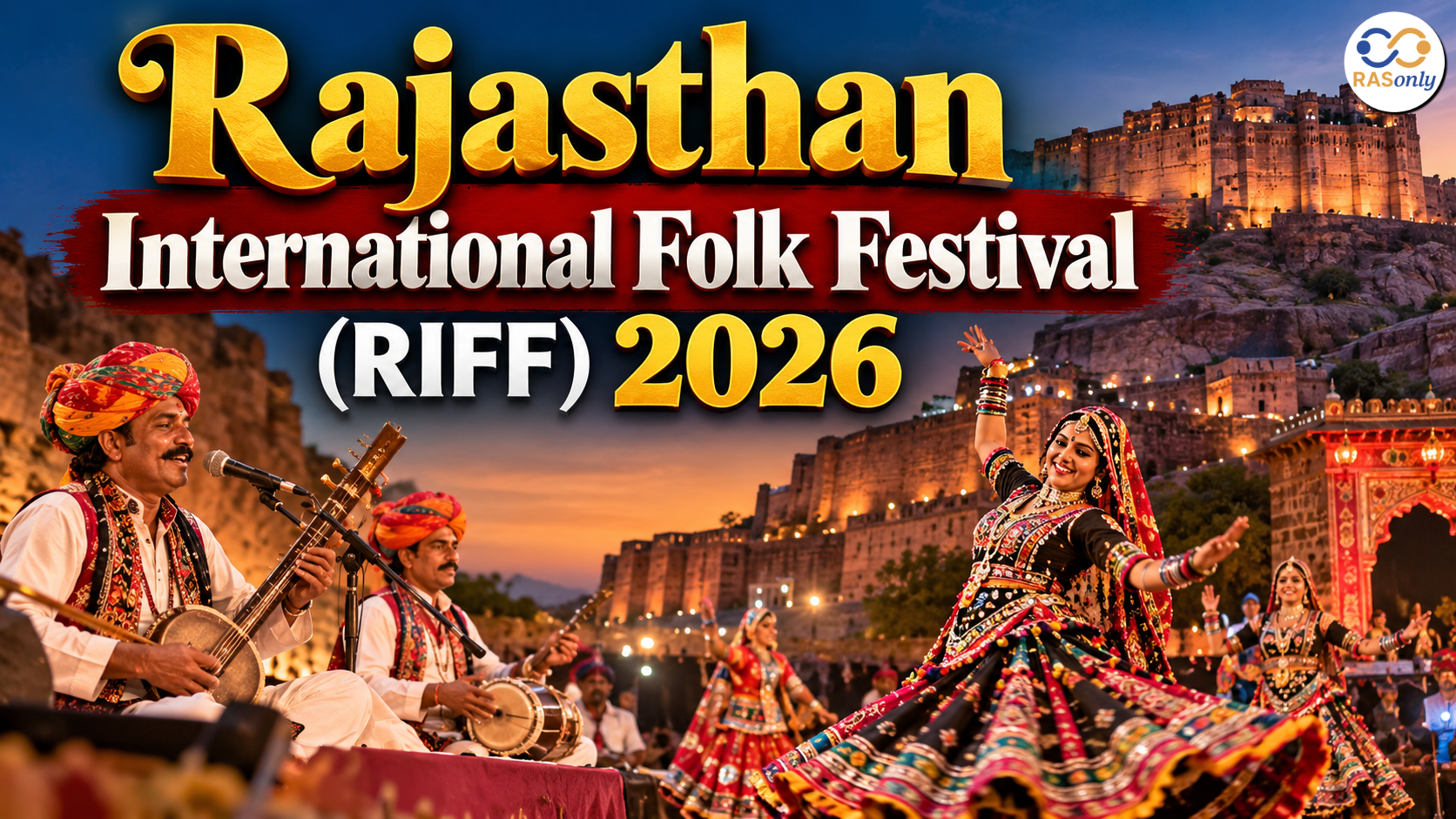
Rajasthan International Folk Festival 2026
October 23, 2026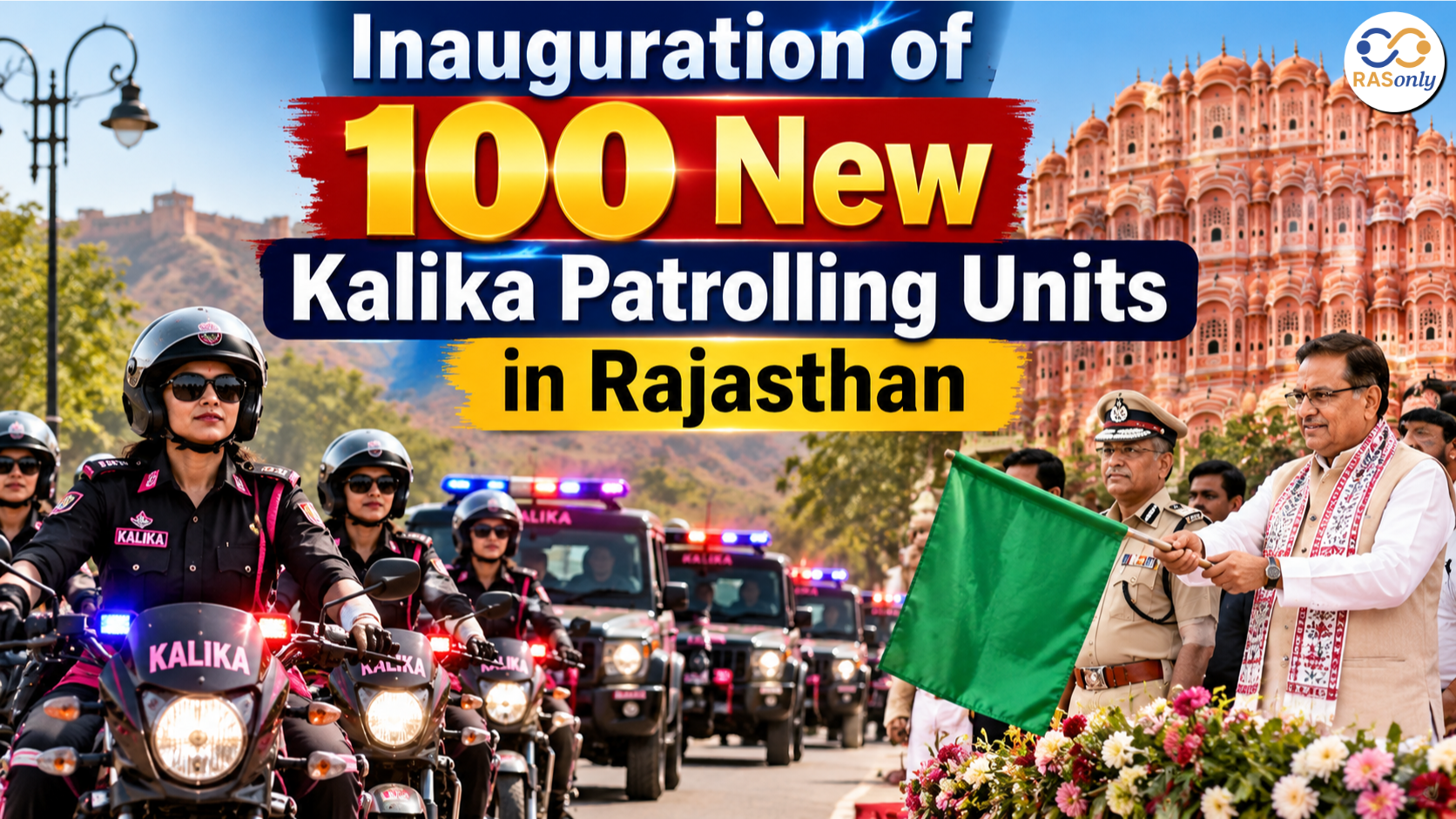
Inauguration of 100 New Kalika Patrolling Units in Rajasthan
October 21, 2026