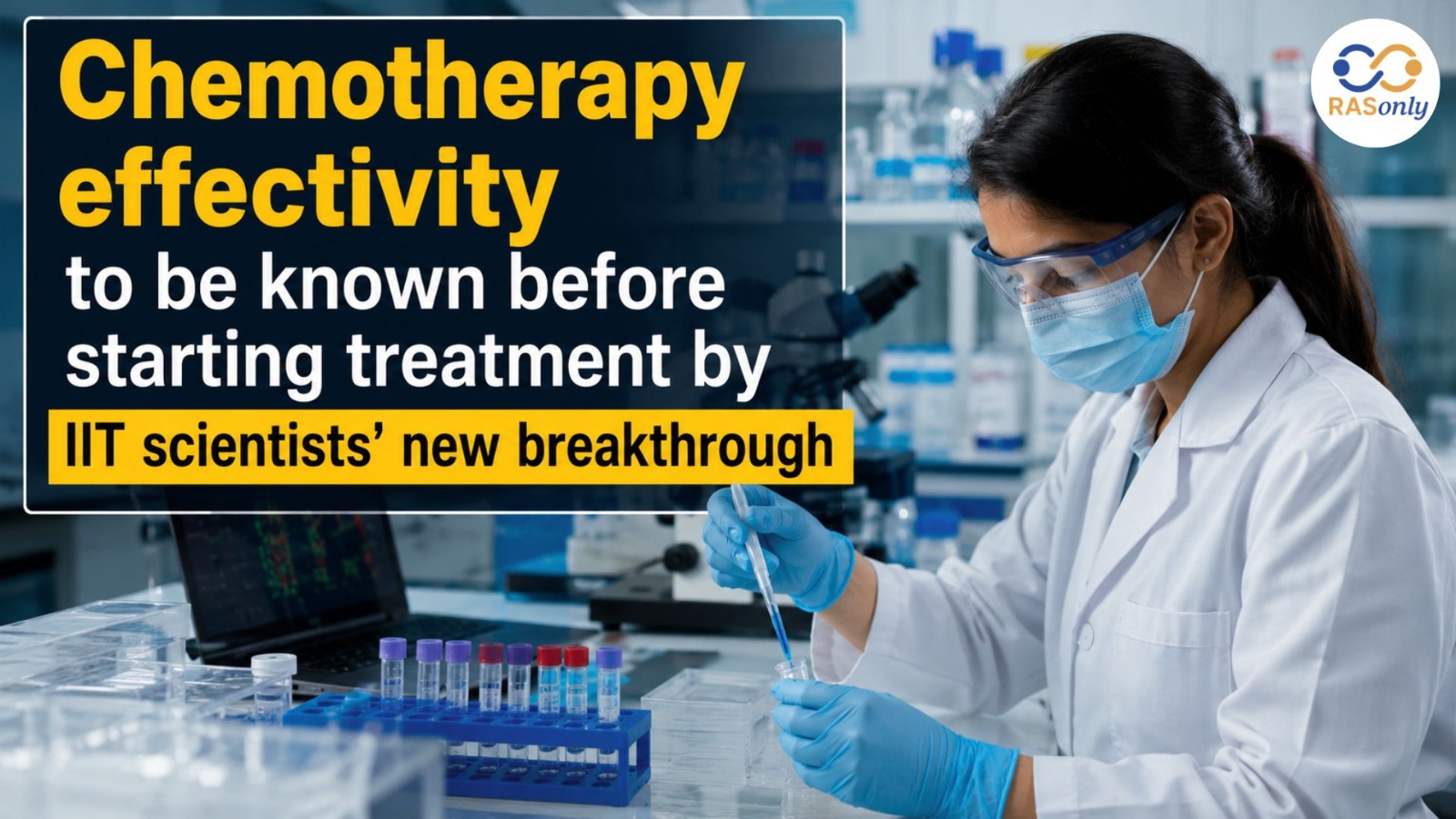
The researchers at Indian Institute of Technology (IIT) Jodhpur made a huge breakthrough in the field of cancer treatment the team is equally effective at developing a next generation of markers that could predict chemotherapy's efficacy prior to its treatment. This innovation will help doctors decide which of the medications will best suit an individual patient, thus increasing the likelihood of success in cancer treatments.Cancer claims the lives of around 5.9 lakh (590,000) Indians every year in India. Although the chemotherapy and other treatment methods are advanced, however, many patients become resistant to chemotherapy and other anti-cancer treatments over time. To solve this exact problem, Dr. Dinesh Kumar Ahirwar, the Associate Professor at the Department of Bioscience and Bioengineering and Head of the Tumor Microenvironment Laboratory at IIT Jodhpur is leading this research. This research has a major objective of increasing understanding of why some patients make a remarkable recovery while others do not achieve the expected clinical outcomes.
The main features of the Research Focus
The study was done at the Department of Bioscience and Bioengineering, IIT Jodhpur
- It tackles the major problem of chemotherapy resistance that is responsible for the high cancer mortality rate in India per annum.The team has applied cutting edge technologies
- Including single-cell sequencing, multicolor high-parameter flow cytometry, state-of-the-art molecular biology methods and computational analysis.
-
It allows researchers to dissect a tumor into individual cancer cells and determine which ones escape chemotherapy and lead to the return of cancer.
-
The study delves into the concept of drug repurposing which involves the repackaging of existing drugs that have been approved for other uses in combination with chemotherapy to lower the expense and time for drug development.
-
Scientists are testing their results in humanized mouse models and state-of-the-art lung-on-a-chip technologies.
Infrastructure & IT Roadmap
The study proposes a technological vision for personalized healthcare and precision medicine in the following focus areas:
Single-Cell Analysis
- Isolating and studying the unique genetic and molecular behavior of each individual cancer cell within a tumor mass, using single cell sequencing.
Molecular Tracking
- Identifying the precise molecular and cellular changes that are responsible for triggering chemotherapy resistance in patients.
Drug Repurposing
- To pursue new therapeutic combinations by combining existing drugs approved for safety with chemotherapy, thus avoiding lengthy clinical trials.
Advanced Modeling
- Testing using specialized humanized mouse models and the lung-on-a-chip technology to mimic a real human body.
Cross-Disciplinary Extension
- The fundamental diagnostic and cellular analysis methods developed in this study have the potential to be developed into other important diseases like Silicosis.
Objectives and Benefits
Objectives
- To develop next generation predictive biomarkers that can predict response to chemotherapy before giving it.
- To chart the exact cellular survival pathways that promote cancer recurrence and relapses.
- To use state-of-the-art computational biology and cutting edge bioengineering techniques to speed and lower the expenses of cancer care.
- To develop precision medicine at scale from a universal approach to cancer treatment.
Benefits
- Reduces patients to unnecessary, costly and harmful medical interventions.
- Optimizes drug selection which greatly improves survival and patients result.
- Reduces the cost to the healthcare system, using existing lower cost medications.
- Provides oncologists with early diagnostic data to help speed clinical decision-making.
The role of Scientific Innovation in healthcare
Scientific Innovation's significance in the healthcare sector
The breakthrough underscores the importance of indigenous academic research in tackling regional and national health issues. By building predictive healthcare infrastructure, one directly tackles the vulnerabilities in public health. Technological interventions support a strengthening of public health by developing tools to optimize treatment pathways in advance of invasive procedures, thereby promoting the patient and more efficient and robust public health system.
Conclusion
The novel work by IIT Jodhpur brings a new significant step forward in oncology. The team has charted a clear course for personalized cancer therapy with their successful implementation of predictive biomarkers based on advanced single-cell analysis and cellular modeling. This scientific breakthrough not only has the potential to improve patient survival rates and reduce unnecessary clinical interventions but also highlights the great potential of bioengineering in addressing burdens of disease.
MCQs
MCQ 1: In which premium institute of Rajasthan, the researchers have recently developed new ‘biomarkers' that predict how effective chemotherapy will be before the cancer treatment?
A. AIIMS Jodhpur
B. IIT Jodhpur
C. MNIT Jaipur
D. BITS Pilani
Answer: B. IIT Jodhpur
Explanation: The breakthrough research, aimed at developing predictive biomarkers for chemoresistance, was finally successfully carried out by the Department of Bioscience and Bioengineering, Indian Institute of Technology (IIT), Jodhpur.
MCQ 2: Who was the leader of the research team at the Tumor Microenvironment Laboratory which made this breakthrough for cancer treatment?
A. Dr Dinesh Kumar Ahirwar
B. Ramesh Raliya, M.Sc. (TATA)
C. Dr. Sandeep Kumar
D. Dr. Vikas Sharma
Answer: A. Dr. Dinesh Kumar Ahirwar
Explanation: Dr. Dinesh Kumar Ahirwar, Associate Professor in Department of Bioscience and Bioengineering, IIT Jodhpur led the research.
MCQ 3: Which is the main advantage of the "Single-Cell Analysis" technique used in the IIT Jodhpur cancer research?
A. It renders a complete absence of any surgical procedures.
B. It makes it possible to see each cancer cell individually, to determine which cells survive the chemotherapy and lead to relapse.
C. As an organic vaccine, it prevents the occurrence of cancer.
D. Reduces the expenses for physical hospital facilities.
Answer: B. It enables the single-cell examination of each cancer cell to determine which cells are able to live through chemotherapy and contribute to the cancer's return.
Explanation: Single-cell analysis and sequencing are techniques that can be used to study each individual cell within a tumor separately. This assists in identifying the exact cells that undergo molecular changes and are resistant to chemotherapy and are responsible for recurrence of the disease later.
कैंसर के उपचार से पहले ही कीमोथेरेपी की प्रभावशीलता का पता चल सकेगा, आईआईटी के वैज्ञानिकों को मिली बड़ी सफलता
भारतीय प्रौद्योगिकी संस्थान (IIT) जोधपुर के शोधकर्ताओं ने कैंसर के इलाज के क्षेत्र में एक बहुत बड़ी सफलता हासिल की है। यह टीम अगली पीढ़ी के ऐसे 'मार्कर्स' (markers) विकसित करने में सफल रही है जो उपचार शुरू होने से पहले ही यह अनुमान लगा सकते हैं कि कीमोथेरेपी कितनी प्रभावी होगी। इस नवाचार (innovation) से डॉक्टरों को यह तय करने में मदद मिलेगी कि किसी मरीज के लिए कौन सी दवा सबसे बेहतर साबित होगी, जिससे कैंसर के इलाज में सफलता की संभावना काफी बढ़ जाएगी। भारत में हर साल कैंसर के कारण लगभग 5.9 लाख (590,000) भारतीयों की जान चली जाती है। हालांकि कीमोथेरेपी और अन्य उपचार पद्धतियां काफी उन्नत हैं, फिर भी समय के साथ कई मरीजों के शरीर में कीमोथेरेपी और अन्य कैंसर-रोधी दवाओं के प्रति प्रतिरोधक क्षमता (resistance) विकसित हो जाती है। इसी सटीक समस्या का समाधान खोजने के लिए, आईआईटी जोधपुर के बायोसाइंस और बायोइंजीनियरिंग विभाग के एसोसिएट प्रोफेसर और 'ट्यूमर माइक्रोएन्वायरमेंट लैबोरेटरी' के प्रमुख डॉ. दिनेश कुमार अहिरवार इस शोध का नेतृत्व कर रहे हैं। इस शोध का मुख्य उद्देश्य यह समझना है कि क्यों कुछ मरीज बहुत जल्दी ठीक हो जाते हैं जबकि अन्य मरीजों को उम्मीद के मुताबिक क्लिनिकल लाभ नहीं मिल पाता है।
अनुसंधान फोकस की मुख्य विशेषताएं:
यह अध्ययन आईआईटी जोधपुर के बायोसाइंस और बायोइंजीनियरिंग विभाग में किया गया है।
- यह कीमोथेरेपी प्रतिरोध (chemotherapy resistance) की उस बड़ी समस्या से निपटता है, जो भारत में हर साल होने वाली कैंसर से होने वाली मौतों की उच्च दर के लिए जिम्मेदार है। टीम ने अत्याधुनिक तकनीकों का उपयोग किया है।
- इसमें सिंगल-सेल सीक्वेंसिंग (single-cell sequencing), मल्टीकलर हाई-पैरामीटर फ्लो साइटोमेट्री (multicolor high-parameter flow cytometry), अत्याधुनिक आणविक जीव विज्ञान (molecular biology) के तरीके और कम्प्यूटेशनल विश्लेषण शामिल हैं।
- यह शोधकर्ताओं को एक ट्यूमर को व्यक्तिगत कैंसर कोशिकाओं में विभाजित करने और यह पता लगाने की अनुमति देता है कि कौन सी कोशिकाएं कीमोथेरेपी से बच निकलती हैं और कैंसर को दोबारा वापस लाने का कारण बनती हैं।
- यह अध्ययन 'ड्रग रिपर्पजिंग' (drug repurposing) की अवधारणा पर गहराई से काम करता है, जिसमें अन्य बीमारियों के लिए पहले से स्वीकृत और सुरक्षित दवाओं को कीमोथेरेपी के साथ मिलाकर उपयोग किया जाता है। इससे नई दवा विकसित करने में लगने वाला समय और खर्च दोनों बहुत कम हो जाते हैं।
- वैज्ञानिक अपने परिणामों का परीक्षण ह्यूमनाइज्ड माउस मॉडल (humanized mouse models) और अत्याधुनिक 'लंग-ऑन-ए-चिप' (lung-on-a-chip) तकनीकों पर कर रहे हैं।
इंफ्रास्ट्रक्चर और आईटी रोडमैप
यह अध्ययन व्यक्तिगत स्वास्थ्य सेवा (personalized healthcare) और प्रिसिजन मेडिसिन (precision medicine) के लिए निम्नलिखित क्षेत्रों में एक तकनीकी दृष्टिकोण का प्रस्ताव करता है:
- सिंगल-सेल विश्लेषण (Single-Cell Analysis): सिंगल-सेल सीक्वेंसिंग का उपयोग करके एक ट्यूमर के भीतर प्रत्येक व्यक्तिगत कैंसर कोशिका के विशिष्ट आनुवंशिक और आणविक व्यवहार को अलग करना और उसका अध्ययन करना।
- मॉलिक्यूलर ट्रैकिंग (Molecular Tracking): उन सटीक आणविक और कोशिकीय परिवर्तनों की पहचान करना जो मरीजों में कीमोथेरेपी प्रतिरोध को ट्रिगर करने के लिए जिम्मेदार हैं।
- ड्रग रिपर्पजिंग (Drug Repurposing): सुरक्षा के लिए पहले से स्वीकृत मौजूदा दवाओं को कीमोथेरेपी के साथ मिलाकर नए चिकित्सीय संयोजन (combinations) तैयार करना, जिससे लंबे क्लिनिकल ट्रायल से बचा जा सके।
- उन्नत मॉडलिंग (Advanced Modeling): वास्तविक मानव शरीर की नकल करने के लिए विशेष ह्यूमनाइज्ड माउस मॉडल और 'लंग-ऑन-ए-चिप' तकनीक का उपयोग करके परीक्षण करना।
- क्रॉस-डिसिप्लिनरी एक्सटेंशन (Cross-Disciplinary Extension): इस अध्ययन में विकसित बुनियादी नैदानिक और कोशिकीय विश्लेषण विधियों को सिलिकोसिस (Silicosis) जैसी अन्य महत्वपूर्ण बीमारियों के इलाज के लिए भी विकसित किए जाने की क्षमता है।
उद्देश्य और लाभ
उद्देश्य:
- अगली पीढ़ी के ऐसे प्रेडिक्टिव बायोमार्कर्स (predictive biomarkers) विकसित करना जो कीमोथेरेपी देने से पहले ही उसके प्रति प्रतिक्रिया का अनुमान लगा सकें।
- उन सटीक कोशिकीय उत्तरजीविता मार्गों (cellular survival pathways) का चार्ट तैयार करना जो कैंसर की पुनरावृत्ति (recurrence) और दोबारा बीमारी उभरने को बढ़ावा देते हैं।
- कैंसर की देखभाल को तेज और कम खर्चीला बनाने के लिए अत्याधुनिक कम्प्यूटेशनल बायोलॉजी और बायोइंजीनियरिंग तकनीकों का उपयोग करना।
- कैंसर के इलाज के सार्वभौमिक (universal) दृष्टिकोण से हटकर बड़े पैमाने पर प्रिसिजन मेडिसिन (सटीक दवा) विकसित करना।
लाभ:
- मरीजों को अनावश्यक, महंगे और हानिकारक चिकित्सा उपचारों से बचाता है।
- दवा के चयन को सटीक बनाता है जिससे मरीजों के जीवित रहने की दर और परिणामों में भारी सुधार होता है।
- मौजूदा कम लागत वाली दवाओं का उपयोग करके स्वास्थ्य प्रणाली पर वित्तीय बोझ को कम करता है।
- कैंसर विशेषज्ञों (oncologists) को शुरुआती नैदानिक डेटा प्रदान करता है जिससे क्लिनिकल निर्णय तेजी से लेने में मदद मिलती है।
स्वास्थ्य सेवा में वैज्ञानिक नवाचार की भूमिका
स्वास्थ्य सेवा क्षेत्र में वैज्ञानिक नवाचार का महत्व: यह अभूतपूर्व खोज क्षेत्रीय और राष्ट्रीय स्वास्थ्य समस्याओं से निपटने में स्वदेशी शैक्षणिक अनुसंधान के महत्व को रेखांकित करती है। प्रेडिक्टिव हेल्थकेयर इंफ्रास्ट्रक्चर का निर्माण करके, कोई भी सीधे तौर पर सार्वजनिक स्वास्थ्य की कमजोरियों को दूर कर सकता है। तकनीकी हस्तक्षेप आक्रामक प्रक्रियाओं (invasive procedures) से पहले ही उपचार के मार्गों को अनुकूलित करने के लिए उपकरण विकसित करके सार्वजनिक स्वास्थ्य को मजबूत करते हैं, जिससे मरीज के अनुकूल और अधिक कुशल एवं मजबूत सार्वजनिक स्वास्थ्य प्रणाली को बढ़ावा मिलता है।
निष्कर्ष
आईआईटी जोधपुर का यह अनूठा काम ऑन्कोलॉजी (कैंसर विज्ञान) में एक नया और महत्वपूर्ण कदम है। टीम ने उन्नत सिंगल-सेल विश्लेषण और कोशिकीय मॉडलिंग पर आधारित प्रेडिक्टिव बायोमार्कर्स के सफल कार्यान्वयन के साथ व्यक्तिगत कैंसर थेरेपी (personalized cancer therapy) के लिए एक स्पष्ट रास्ता तैयार किया है। यह वैज्ञानिक सफलता न केवल मरीजों के जीवित रहने की दर में सुधार करने और अनावश्यक चिकित्सा हस्तक्षेपों को कम करने की क्षमता रखती है, बल्कि बीमारी के बोझ को दूर करने में बायोइंजीनियरिंग की महान क्षमता को भी उजागर करती है।
बहुविकल्पीय प्रश्न (MCQs)
प्रश्न 1: राजस्थान के किस प्रीमियम संस्थान के शोधकर्ताओं ने हाल ही में नए 'बायोमार्कर्स' विकसित किए हैं जो कैंसर के इलाज से पहले ही यह अनुमान लगा सकते हैं कि कीमोथेरेपी कितनी प्रभावी होगी? A. एम्स (AIIMS) जोधपुर
B. आईआईटी (IIT) जोधपुर
C. एमएनआईटी (MNIT) जयपुर
D. बिट्स (BITS) पिलानी
उत्तर: B. आईआईटी जोधपुर
स्पष्टीकरण: कीमोरेसिस्टेंस के लिए प्रेडिक्टिव बायोमार्कर्स विकसित करने के उद्देश्य से यह अभूतपूर्व शोध आखिरकार भारतीय प्रौद्योगिकी संस्थान (IIT), जोधपुर के बायोसाइंस और बायोइंजीनियरिंग विभाग द्वारा सफलतापूर्वक किया गया।
प्रश्न 2: ट्यूमर माइक्रोएन्वायरमेंट लैबोरेटरी में उस शोध टीम के नेता कौन थे जिसने कैंसर के इलाज के लिए यह बड़ी सफलता हासिल की? A. डॉ. दिनेश कुमार अहिरवार
B. रमेश रलिया, एम.एससी. (टाटा)
C. डॉ. संदीप कुमार
D. डॉ. विकास शर्मा
उत्तर: A. डॉ. दिनेश कुमार अहिरवार
स्पष्टीकरण: आईआईटी जोधपुर के बायोसाइंस और बायोइंजीनियरिंग विभाग में एसोसिएट प्रोफेसर डॉ. दिनेश कुमार अहिरवार ने इस शोध का नेतृत्व किया।
प्रश्न 3: आईआईटी जोधपुर कैंसर अनुसंधान में उपयोग की जाने वाली "सिंगल-सेल विश्लेषण" (Single-Cell Analysis) तकनीक का मुख्य लाभ क्या है? A. यह किसी भी सर्जिकल प्रक्रियाओं की पूर्ण अनुपस्थिति को प्रस्तुत करता है।
B. यह प्रत्येक कैंसर कोशिका को व्यक्तिगत रूप से देखना संभव बनाता है, जिससे यह निर्धारित किया जा सके कि कौन सी कोशिकाएं कीमोथेरेपी से बच जाती हैं और दोबारा बीमारी का कारण बनती हैं।
C. एक जैविक टीके के रूप में, यह कैंसर की घटना को रोकता है।
D. यह अस्पताल की भौतिक सुविधाओं के खर्चों को कम करता है।
उत्तर: B. यह प्रत्येक कैंसर कोशिका की सिंगल-सेल जांच को सक्षम बनाता है ताकि यह निर्धारित किया जा सके कि कौन सी कोशिकाएं कीमोथेरेपी के बावजूद जीवित रहने में सक्षम हैं और कैंसर की वापसी में योगदान देती हैं।
स्पष्टीकरण: सिंगल-सेल विश्लेषण और सीक्वेंसिंग ऐसी तकनीकें हैं जिनका उपयोग ट्यूमर के भीतर प्रत्येक व्यक्तिगत कोशिका का अलग-अलग अध्ययन करने के लिए किया जा सकता है। यह उन सटीक कोशिकाओं की पहचान करने में मदद करता है जिनमें आणविक परिवर्तन होते हैं, जो कीमोथेरेपी के प्रति प्रतिरोधी होती हैं और बाद में बीमारी की पुनरावृत्ति के लिए जिम्मेदार होती हैं।
