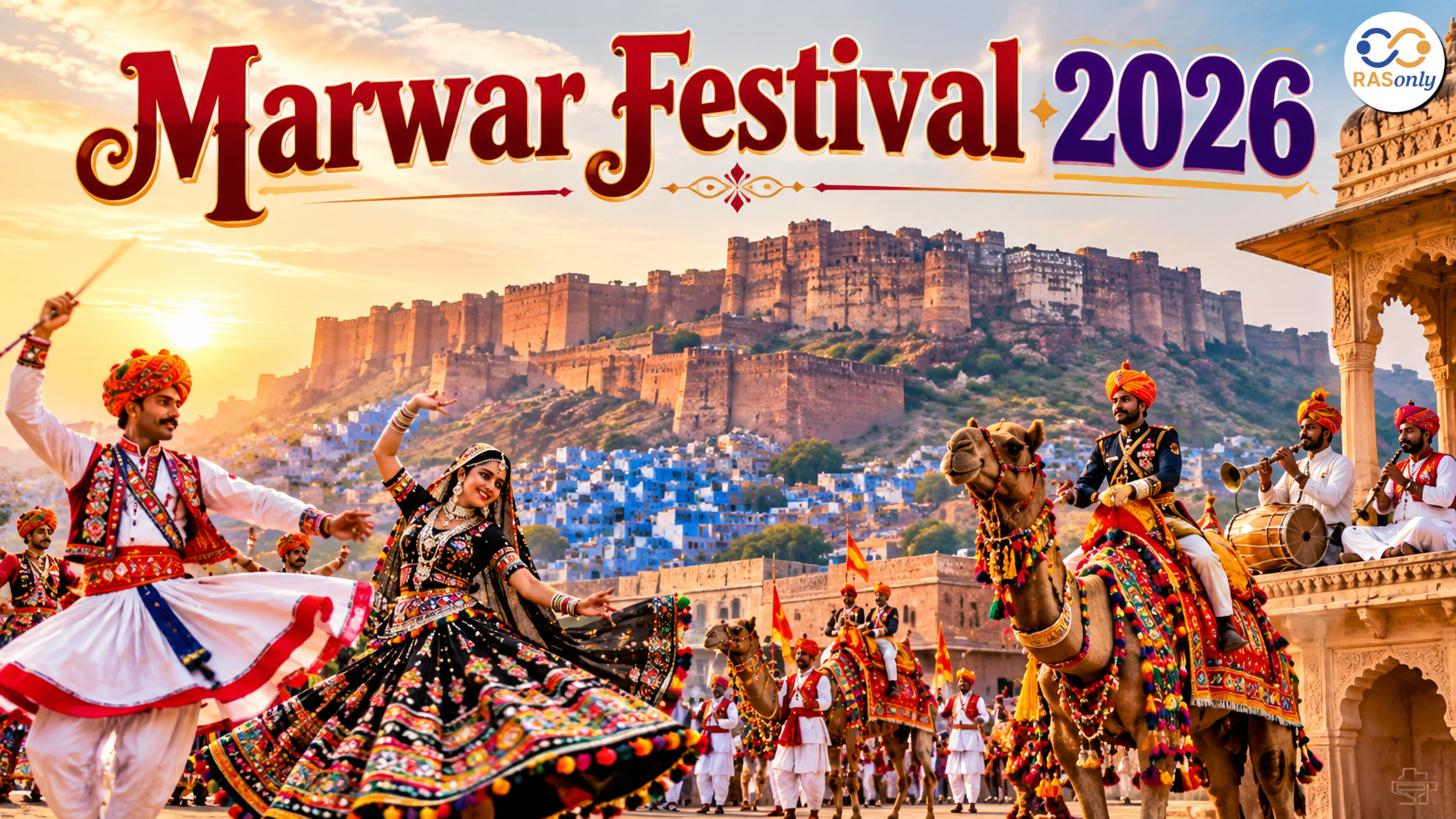
Chola Dynasty: Capital, Founder, Kings, Time Period and History
Rajput Dynasties of Rajasthan: History, Major Clans, Kingdoms, and Contributions

Get in Touch with RASonly!

The Rajput dynasties of Rajasthan played a major role in shaping the political and cultural history of medieval India. Powerful Rajput clans such as the Chauhans, Sisodias, Rathores, and Pratiharas established strong kingdoms and defended their territories with bravery. Understanding the Rajput kingdoms of Rajasthan is essential for Rajasthan history and RPSC RAS Exam preparation.

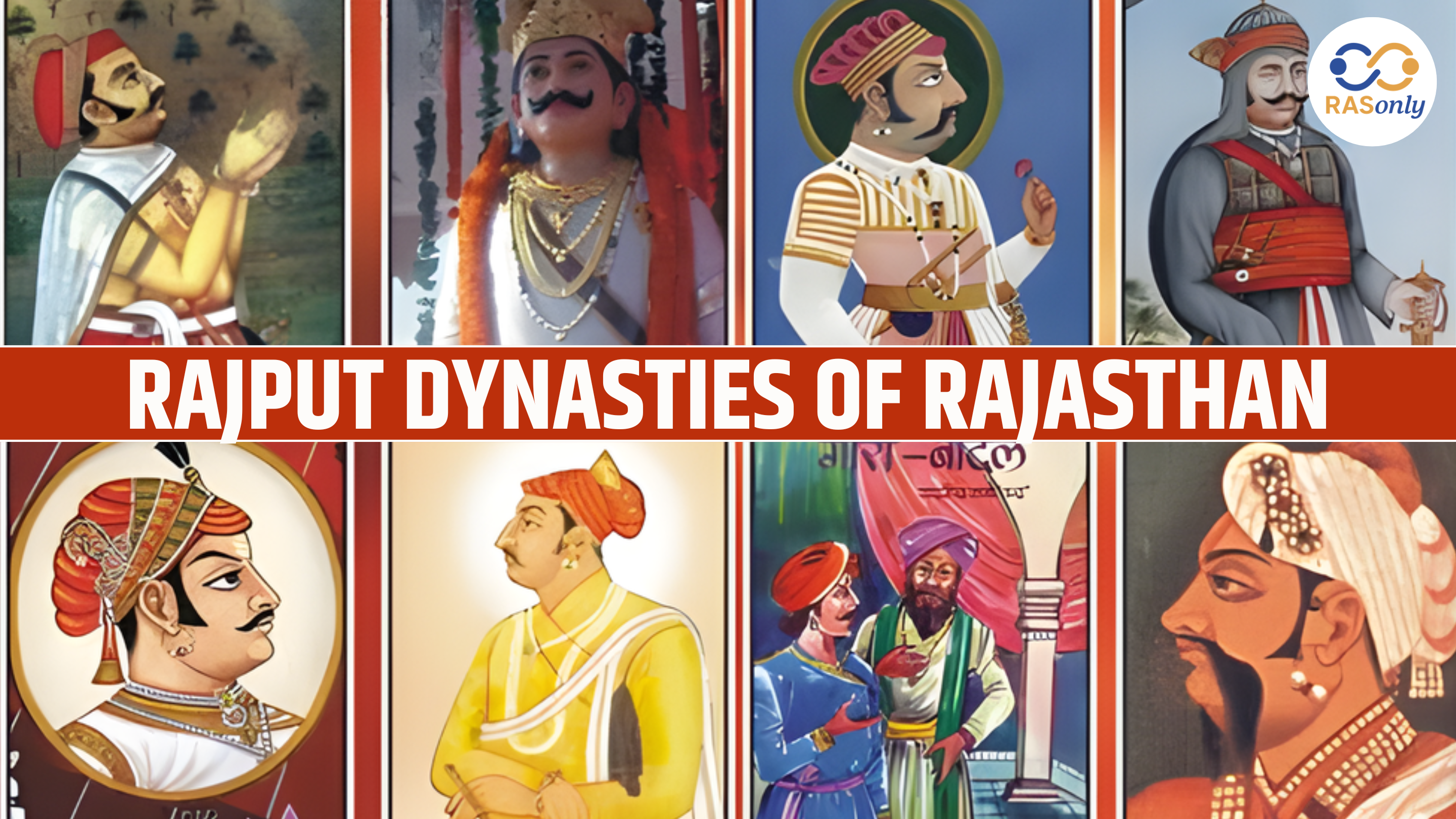
The Rajput Dynasties of Rajasthan played a major role in shaping the political, military, and cultural history of medieval India. The term Rajput is derived from the Sanskrit word “Raj-Putra,” meaning “Son of a King.” Rajputs were known for their warrior traditions, bravery, loyalty, and strong code of honor. Between the 6th and 16th centuries CE, Rajput clans established powerful kingdoms across Rajasthan, Gujarat, central India, and northern India.
The Rajput period in Indian history is particularly important because several Rajput dynasties defended their kingdoms against foreign invasions, developed magnificent forts and temples, and preserved Hindu traditions and regional culture. Many famous historical figures such as Prithviraj Chauhan, Rana Kumbha, Rana Sanga, and Maharana Pratap belonged to these Rajput dynasties. Knowledge about Rajput dynasties of Rajasthan, Rajput clans, Rajput kingdoms, and Rajput rulers is highly significant in the preparation of Rajasthan GK, RPSC RAS Exam 2026, and Indian Medieval History.
Who Were the Rajputs?
The Rajput were also a warrior group that arose in India in northern and western India following the downfall of the Gupta Empire in the 6th century CE. They belonged to the Hindu social system known as Kshatriya varna (warrior caste) and governed a few kingdoms in medieval India.
Rajput was an independent state in Rajasthan, Gujarat, Madhya Pradesh, Uttar Pradesh, Punjab and Haryana. Their society was structured under the clan devotion, martial virtues, and feudalism.
Key Characteristics of Rajputs
- Strong warrior tradition
- Loyalty to clan and ruler
- Feudal political structure
- Protection of regional kingdoms
- Patronage of art, architecture, and literature
The Rajput dynasties of Rajasthan became famous for their resistance against Arab, Ghaznavid, and later Mughal invasions.
Origin of Rajput Dynasties
Historical and mythical accounts have been used to explain the origin of Rajput. The majority of historians consider that the Rajputs were formed as a result of the fusion of the ancient warrior strains and the incorporation of the local ruling classes.
Major Rajput Lineages (Vanshas)
The Agnivanshi origin legend states that several Rajput clans emerged from a sacred fire ritual performed at Mount Abu, which is mentioned in medieval texts like Prithviraj Raso.
| Lineage | Description | Important Clans |
|---|---|---|
| Suryavanshi (Solar Dynasty) | Descendants of Lord Rama | Sisodia, Rathore |
| Chandravanshi (Lunar Dynasty) | Descendants of Lord Krishna | Kachwaha, Tomar |
| Agnivanshi (Fire Lineage) | Origin from sacred fire at Mount Abu | Chauhan, Parmar, Pratihara, Solanki |
Overview of Rajput Dynasties
Rajasthan Rajput dynasties were one of the most powerful ruling families in Indian medieval history. These warrior groups formed strong kingdoms in Rajasthan and other neighbouring areas and were influential in the history of political, cultural and military history in the north of India.
| Feature | Details |
|---|---|
| Meaning of Rajput | Derived from Sanskrit “Raj-Putra” meaning Son of a King |
| Period of Prominence | 6th to 12th Century CE |
| Main Region | Rajasthan, Gujarat, Punjab, Madhya Pradesh, Uttar Pradesh |
| Social Status | Kshatriya Warrior Class |
| Political System | Feudal Samanta System |
| Famous Rajput Dynasties | Chauhan, Sisodia, Rathore, Pratihara, Paramara, Solanki |
The Rajput dynasties of Rajasthan dominated the political landscape of early medieval India and established several powerful kingdoms that influenced the development of Rajasthan history and Rajput culture.
Major Rajput Dynasties of Rajasthan
Rajasthan was dominated by the great Rajput dynasties that constructed powerful kingdoms in the state in the medieval times. Another significant element of the Rajasthan history and Rajput heritage is these dynasties since they made a contribution to administration and warfare, architecture, and local culture.
Many powerful Rajput clans and dynasties ruled Rajasthan and surrounding regions, establishing independent kingdoms and defending their territories against foreign invasions.
1. Chauhan Dynasty
The Chauhan dynasty was a powerful and influential dynasty of Rajasthan that was the Rajput. The Chauhans exercised its power out of its capital Ajmer and extended out to Delhi and other adjacent lands and emerged as a significant political force in northern India.
The Chauhan dynasty was one of the most powerful Rajput dynasties of Rajasthan. Their capital was Ajmer, and they later ruled Delhi as well.
Important Chauhan Rulers
- Ajayaraja II – Founder of Ajmer city
- Vigraharaja IV – Expanded the Chauhan kingdom
- Prithviraj Chauhan – The most famous Chauhan ruler
Prithviraj Chauhan defeated Muhammad Ghori in the First Battle of Tarain (1191) but was later defeated in the Second Battle of Tarain (1192), which marked a major turning point in Indian medieval history.
2. Sisodia Dynasty of Mewar
The Sisodia dynasty of Mewar was one of the most respected and heroic Rajput dynasties of Rajasthan. The rulers of Mewar became famous for their courage, independence, and resistance against powerful empires such as the Delhi Sultanate and the Mughals.
The Sisodia dynasty ruled the kingdom of Mewar and was one of the most respected Rajput dynasties of Rajasthan.
Important Sisodia Rulers
| Ruler | Contribution |
|---|---|
| Bappa Rawal | Founder of the Mewar dynasty |
| Rana Kumbha | Built the famous Kumbhalgarh Fort |
| Rana Sanga | Fought Babur in the Battle of Khanwa |
| Maharana Pratap | Famous for the Battle of Haldighati |
The Sisodia rulers symbolize Rajput bravery, honor, and resistance, making them one of the most celebrated dynasties in Rajasthan history.
3. Rathore Dynasty of Marwar
The Rathore dynasty of Marwar controlled a great part of western Rajasthan as well as created one of the strongest Rajput kingdoms in Rajasthan. They had Jodhpur as their capital and it later emerged as a great political and cultural hub.
The Rathore dynasty ruled the kingdom of Marwar with its capital at Jodhpur.
Important Rathore Rulers
- Rao Siha – Founder of Rathore dynasty
- Rao Jodha – Founder of Jodhpur city
- Rao Bika – Founder of Bikaner
The Rathore rulers built several impressive forts including Mehrangarh Fort in Jodhpur, which is one of the largest forts in India.
4. Pratihara Dynasty
The Gurjara-Pratihara dynasty was a great Rajput dynasty that ruled the early medieval India. The Pratihara rulers governed such vast lands and most importantly defended India against foreign invasions.
The Gurjara-Pratihara dynasty ruled large parts of northern India between the 8th and 11th centuries.
Important Pratihara Rulers
- Nagabhata I
- Vatsaraja
- Mihir Bhoja
The Pratiharas successfully defended India against Arab invasions from the west, making them an important dynasty in medieval Indian history.
5. Paramara Dynasty
The Paramara dynasty ruled the region of Malwa and became famous for its cultural achievements and intellectual contributions. The dynasty flourished under the leadership of Raja Bhoja, one of the most celebrated scholar-kings in Indian history.
The Paramara dynasty ruled Malwa with its capital at Dhar.
Famous Paramara Ruler
Raja Bhoja (1010–1055 CE)
Raja Bhoja was known for:
- Promoting Sanskrit literature
- Establishing Bhoj Shala learning center
- Building Bhojpur city
Under Raja Bhoja, the Paramara kingdom became a major center of education, literature, and architecture.
6. Solanki Dynasty (Chaulukya)
The Solanki dynasty or Chaulukya dynasty was the dynasty that governed a state of Gujarat and western India. The dynasty is credited with inventions of temple architecture, administration as well as development of economy.
The Solanki dynasty ruled Gujarat and nearby regions.
Important Solanki Rulers
- Mularaja
- Siddharaja Jayasimha
- Kumarapala
The Solanki rulers encouraged temple construction, administrative reforms, and cultural development in their kingdom.
Important Rajput States of Rajasthan
Rajasthan has many clans of Rajput, each of which set up their princely state, thus creating the historical state of Rajputana. These states eventually formed significant constituents of the present day Rajasthan and dominated the local politics.
| Rajput Clan | Kingdom |
|---|---|
| Kachwaha | Jaipur |
| Bhati | Jaisalmer |
| Hada | Bundi and Kota |
| Shekhawat | Shekhawati |
| Jadeja | Kutch |
These states formed the Rajputana region, which later developed into the modern state of Rajasthan.
Society under the Rajputs
The Rajput society was organized under a feudal system where land was distributed among nobles called Jagirdars. These feudal lords managed territories and remained loyal to the ruling king.
Features of Rajput Society
- Strong clan loyalty
- Feudal administrative system
- High importance of honor and bravery
- Patronage of temples and religious institutions
Rajput rulers were mainly followers of Hinduism, though they also supported Jainism and Buddhism, promoting religious tolerance.
Art and Architecture of Rajput Dynasties
The Rajasthan Rajput dynasties have contributed a lot to Indian art, architecture and culture. They made great forts, temples and palaces, which remain to be considered as the representatives of the Rajput strength and legacy.
Famous Rajput Monuments
- Chittorgarh Fort
- Kumbhalgarh Fort
- Amber Fort (Jaipur)
- Jaisalmer Fort
- Dilwara Temples at Mount Abu
- Khajuraho Temples
Rajput rulers also promoted miniature paintings, Sanskrit literature, and temple architecture, which flourished during this period.
Political Organization of Rajputs
The political system of the Rajputs was based on a feudal administrative structure where the king ruled with the support of local chiefs and nobles.
Key Features
- Kingdom divided into Jagirs
- Local chiefs known as Samantas
- Strong loyalty to clan leaders
However, rivalry and lack of unity among Rajput states sometimes weakened their ability to resist powerful external invasions.
Economic Condition during the Rajput Period
The economy during the Rajput period was mainly based on agriculture, trade, and handicraft industries. Agriculture formed the backbone of the economy, while trade routes connected different regions of India.
Major Economic Activities
| Activity | Description |
|---|---|
| Agriculture | Main occupation |
| Irrigation | Tanks, canals, artificial lakes |
| Industries | Textiles, metalwork, pottery |
| Trade | Internal and overseas trade routes |
Land revenue collected from agricultural production was the main source of income for Rajput rulers.
Importance of Rajputs in Indian History
The Rajput dynasties of Rajasthan played an important role in shaping the political and cultural history of medieval India. Their bravery, dedication, and architectural achievements left a lasting impact on Indian civilization.
Contributions of Rajputs
- Defense of Hindu kingdoms
- Development of forts and cities
- Promotion of literature and architecture
- Preservation of regional culture
The bravery and legacy of Rajput warriors and rulers continue to inspire Indian history and cultural identity.
Conclusion
Rajasthan Rajput dynasties play an important role in the history of medieval India. These warrior clans built the great kingdoms, they protected their lands against the invasion of strangers and they made an excellent contribution to the development of art, architecture, culture and administration in Rajasthan.
The Chauhan, Sisodia, Rathore, Pratihara, Paramara and the Solanki dynasties had significant influence on the political life of northern and western India. We can still enjoy their heritage in the great forts, temples and cities which are present in Rajasthan even today.
For students preparing for Rajasthan GK, RPSC RAS Exam 2026, and Indian medieval history, understanding the history, rulers, and contributions of the Rajput dynasties of Rajasthan is extremely important.
FAQ
The major Rajput dynasties of Rajasthan include the Chauhan dynasty, Sisodia dynasty of Mewar, Rathore dynasty of Marwar, Pratihara dynasty, Paramara dynasty, and Solanki dynasty.
One of the most famous Rajput rulers was Maharana Pratap of Mewar, known for his resistance against the Mughal Empire and the Battle of Haldighati.
The Rajput political system was based on a feudal structure where the kingdom was divided into territories called Jagirs governed by local chiefs known as Samantas.
The Chauhan dynasty, especially under Prithviraj Chauhan, ruled Ajmer and later expanded their rule to Delhi.
The Rajput dynasties of Rajasthan are important because they defended their kingdoms, built magnificent forts and temples, and contributed significantly to the political and cultural development of medieval Rajasthan.

BEST SELLER
🏆 PRELIMS
RAS Pass
Prelims focused Hindi & English
₹399
✓
Prelims Topic-Wise Tests
✓
Subject-Wise Tests
✓
Full-Length Prelims Tests
✓
Daily Current Affairs Tests
✓
Prelims PYQs Tests
✓
Detailed Solutions & Analysis
✓
All Rajasthan Ranking
✓
Unlimited Reattempts
✓
Mains Tests
✓
Hindi & English Tests
✓
All Rajasthan Ranking
Trusted by 5,000+ Students
Post Category
- RAS Salary
- Result
- RAS Admit Card
- RAS Job
- RAS Cutoff
- Preparation Tips
- RAS Answer Key
- RAS Exam Analysis
- RAS Syllabus
- RAS Previous Year Papers
- RPSC RAS Exam Pattern
- RAS Interview
- RAS Exam Date
- RAS Vacancy
- RAS Test Series
- RAS Best Books
- RAS Preparation Resources
- RAS Coaching Centre
- History
- Polity
- Geography
- Economics
- Science
- Art and Culture
- RPSC RAS Application Form
- RPSC RAS Notification
- RAS Eligibility Criteria
- UPSC Exam
- RPSC RAS Mains
Visit Our RASonly Offline Center
Our Expert Faculty

Bhunesh Sir
Current Affairs · 13+ Yrs

Aamir Khan Sir
RAS-2017 · IIM Ahm.

Akash Sir
Polity · 8+ Yrs
Free Resources
Official Mobile App

RASOnly App
by OTSAdda · Free
Full Video Lectures
Mock Tests & PYQs
Daily Current Affairs
AI Mock Interview
Free Download · No subscription needed to install
RAS 2024 Toppers — RASonly
Rank 2
Virendra Charan
Rank 9
Bhoopinder Singh
Rank 26
Aanchal Nagpal
Rank 33
Lokendra Singh
Rank 45
Amar Rathore
Rank 46
Manasvini Verma

Join RASonly WhatsApp Community
Get daily current affairs, exam alerts, free study material and tips from expert faculty — right on WhatsApp.
Join for Free →RASonly Interview Guidance Program

Mr. Ashok Jain
Ex-Chief Secretary Govt of Rajasthan
- IAS officer of the 1981 batch, Rajasthan cadre.
- Passionate about mentoring the next generation of RAS officers with real-world insights.
- Got retired in Dec 2017 from the post of Chief Secretary of the state of Rajasthan.

Mr. Guru Charan Rai
Ex-ASP / SP in Jaisalmer
- Guru Charan Rai, IPS (Retd), retired as Inspector General of Police (Security), Rajasthan, Jaipur in 2017.
- Served as ASP and SP in Jaisalmer, Nagaur, Sri Ganganagar, Sawai Madhopur, Dausa, Sikar, and Karauli.
- He also held key positions as DIGP and IGP in the Law and Order division.

Mr. Rakesh Verma
Ex-IAS Officer, B.Tech, MBA, and M.A. (Economics)
- IAS officer of the 1981 batch and retired in Chief Secretary Rank.
- Civil servant of high repute and vast experience.
- Has been teaching UPSC CSE subjects for the last six years.
Related Post
Daily Current Affairs for RAS Exam Preparation 2026

Rajasthan AVGC-XR Summit on International Animation Day
October 26, 2026
Inauguration of the Khet Bachao Abhiyan 2026
October 26, 2026
Ustad Bismillah Khan Yuva Puraskar
October 24, 2026