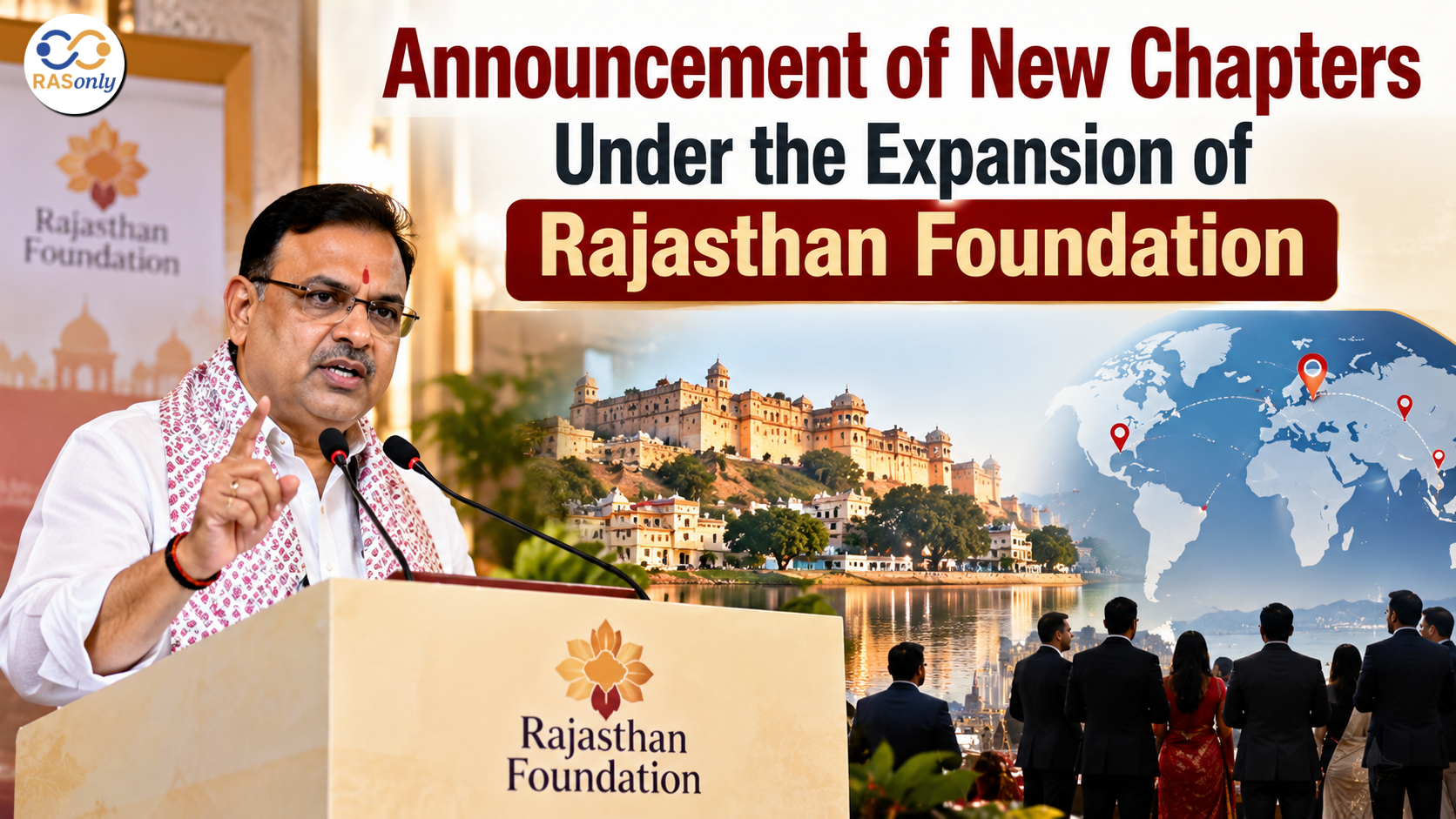
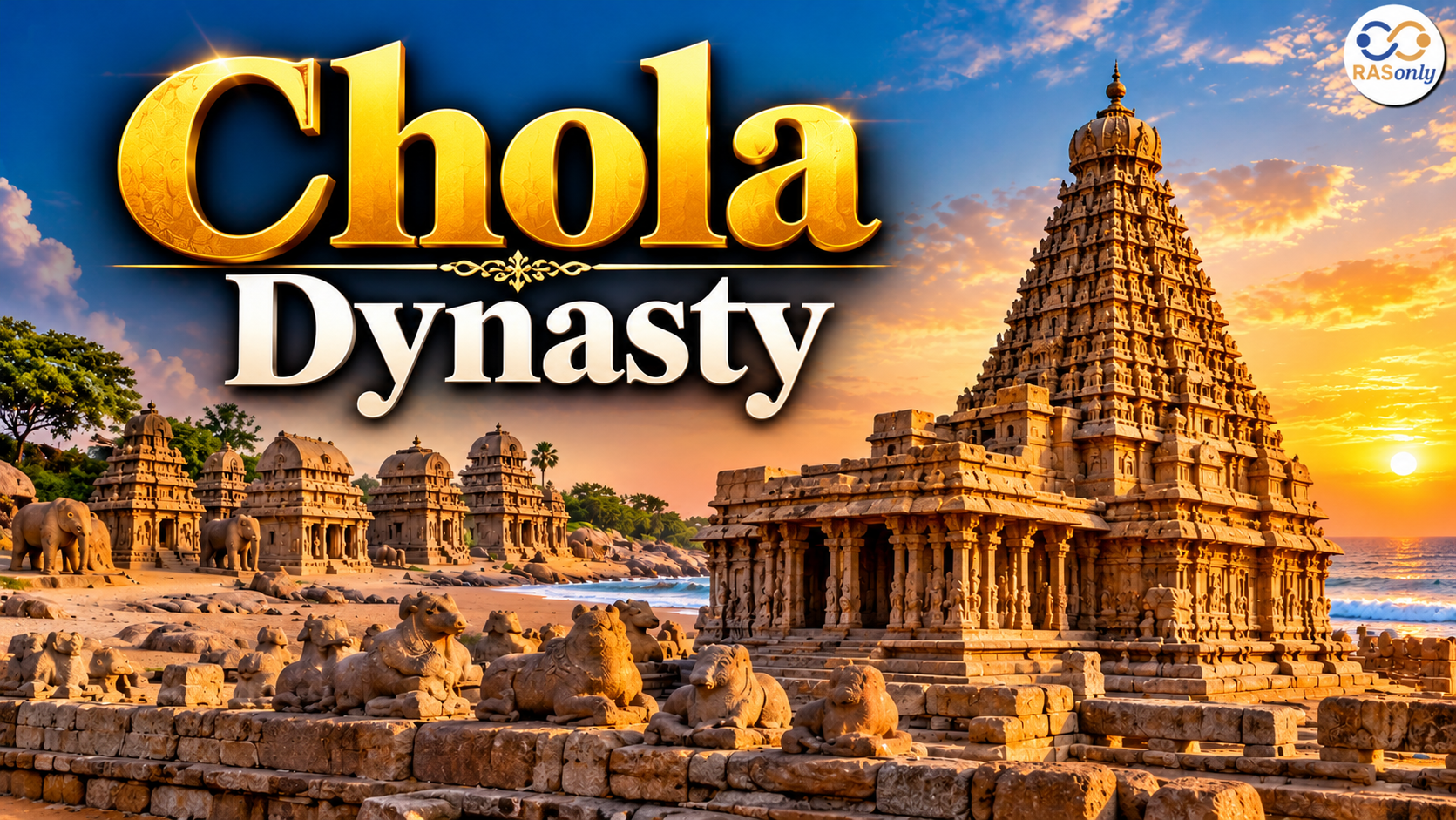
Chola Dynasty: Capital, Founder, Kings, Time Period and History
SDM and SDO Difference: Power Comparison, Roles and Exam Path

Get in Touch with RASonly!

SDM (Sub-Divisional Magistrate) and SDO (Sub-Divisional Officer) are often confused, but they have different roles in India’s administrative system. While an SDM handles law and order, revenue powers, and magisterial duties for the entire subdivision, an SDO works within a specific department like PWD, irrigation, or revenue. This guide explains SDM vs SDO meaning, power, exams, salary, and key differences for aspirants.


India’s administrative structure uses many designations that often seem similar from the outside. Two of the most commonly confused titles are SDM (Sub-Divisional Magistrate) and SDO (Sub-Divisional Officer). Even though these posts may sound alike and may sometimes be held by the same officer, their functions are not identical. Understanding the SDM and SDO difference is important for aspirants preparing for state services or UPSC.
This guide explains the meaning of both roles, how they differ, who is more powerful, and which exams you must clear to become an SDM or SDO. It includes comparisons, tables, responsibilities, and state-wise variations so the picture becomes completely clear.
What is an SDM? (Sub-Divisional Magistrate)
An SDM is a top administrator in a sub-division of a district. SDM is charged with responsibility to ensure law and order, enforce government policies, control revenue administration, and monitor the work of different departments working within the subdivision.
The SDM is most important, as it has executive magistrate powers as stipulated by the CrPC (Code of Criminal Procedure). This renders the role critical in the day-to-day district administration.
Key Functions of an SDM
- Maintaining law and order in the subdivision
- Handling Section 144 orders
- Disaster management and relief operations
- Issuing certificates (caste, domicile, income, etc.)
- Supervising land revenue processes
- Conducting inquiries ordered by the district magistrate
- Overseeing election duties and polling arrangements
- Enforcing government schemes and compliance rules
The SDM is usually the officer people meet for administrative work, making the role one of the most public-facing in district governance.
What is an SDO? (Sub-Divisional Officer)
An SDO is a broader term used for an officer responsible for a specific department in a sub-division. Unlike the SDM, the SDO title is used in multiple departments such as:
- Revenue
- Public Works Department (PWD)
- Irrigation
- Rural development
- Electrical departments
- Agriculture
Therefore, SDO is a departmental post, while SDM is an administrative and magistracy post.
Common Types of SDO Posts
- SDO (Revenue)
- SDO (PWD)
- SDO (Irrigation)
- SDO (Agriculture)
- SDO (Electricity/Power)
Each department has its own SDO who supervises field staff, technical work, inspections, and departmental operations in the subdivision.
SDM and SDO Difference: Are They the Same?
This is where confusion often happens. The SDM is a magistrate, while an SDO may or may not be a magistrate depending on the department. Sometimes, in the revenue department, the officer holding the SDO (Revenue) position is designated as the SDM as well. But this varies by state.
The key distinction lies in their scope of authority.
SDM and SDO Difference
| Feature | SDM (Sub-Divisional Magistrate) | SDO (Sub-Divisional Officer) |
|---|---|---|
| Nature of post | Administrative + executive magistrate | Departmental/technical role |
| Powers | Law and order, CrPC powers, revenue court powers | Limited to departmental functions |
| Jurisdiction | Entire sub-division | One specific department within the sub-division |
| Role | Governance, regulation, certificates, enquiries | Project execution, inspections, departmental supervision |
| Authority level | Usually higher | Depends on department |
| Appointment | IAS or State Civil Services (RAS, PCS) | State engineering or technical services, or revenue officers |
| Public interaction | Very high | Moderate |
| Common departments | General administration | PWD, irrigation, revenue, agriculture, electricity |
| Acts as magistrate? | Yes | Mostly no (except Revenue SDO in some states) |
Who is More Powerful: SDM or SDO?
SDM is more powerful: Reasons SDM Holds Higher Power
- Magisterial Powers: The SDM can issue orders under Section 144, handle law and order, and conduct magisterial inquiries.
- Wider Jurisdiction: While SDO’s authority is limited to one department, SDM oversees the functioning of the entire sub-division.
- Revenue and Executive Authority: SDM acts as revenue court, settlement officer, and disaster management head.
- Coordination Across Departments: SDOs of all departments often report to the SDM for coordination and administrative approval.
- Public Administration Leadership: The SDM is the administrative head of the sub-division.
When can an SDO be equally important?
In departments like PWD, electricity, or irrigation, the SDO may play a key role in development projects, infrastructure, and field operations. But the power is technical, not magisterial.
Which Exam Leads to SDM?
The path to becoming an SDM depends on whether you join through UPSC or State Civil Services.
1. Through UPSC (IAS route)
- Candidates selected for IAS start as Assistant Collector or Sub-Divisional Magistrate during their initial field posting.
- This makes UPSC the highest-level entry route for SDM.
2. Through State Civil Services (RAS, PCS, BPSC, MPPSC etc.)
In many states, clearing state PSC exams directly leads to the post of SDM or its equivalence:
| State | Exam | Equivalent Post |
|---|---|---|
| Rajasthan | RAS | SDM / Sub-Divisional Officer (Administration) |
| Uttar Pradesh | PCS | SDM |
| Bihar | BPSC | SDM |
| Madhya Pradesh | MPPSC | SDM |
| Maharashtra | MPSC | Deputy Collector |
| Gujarat | GPSC | Deputy Collector |
For most states, the SDM post is the first or second posting of state civil service officers.
Which Exam Leads to SDO?
Since "SDO" is a departmental post, the exam depends on the department:
Common Exams for SDO Posts
| Department | Exam Route | Post |
|---|---|---|
| Revenue | State PSC | SDO (Rev) / Tehsildar / Naib Tehsildar (varies by state) |
| PWD | State Engineering Services | SDO (Civil / Mechanical / Electrical) |
| Electricity | State Electricity Board Exams | SDO (Electrical) |
| Irrigation | State Engineering Services | SDO (Irrigation) |
| Agriculture | State Agriculture Officer Exams | SDO (Agriculture) |
In many departments, the SDO is a technical officer, not a general administrator.
Responsibilities of SDM (Detailed List)
Administrative Duties
- Enforcing government schemesM
- Supervising subordinate officers
- Handling public grievances
- Overseeing developmental work
Magisterial Duties
- Law and order management
- Preventive action under CrPC
- Enquiries into accidents, deaths, disputes
- Disaster relief management
Revenue Duties
- Land record management
- Mutation and partition cases
- Compensation award under land acquisition
Election-Related Responsibilities
- Conducting fair polling
- Monitoring MCC (Model Code of Conduct)
Responsibilities of SDO (Department-wise)
Revenue SDO
- Collecting land revenue
- Maintaining land records
- Supervising patwaris and tehsildars
- Handling revenue disputes
PWD SDO
- Road and building construction
- Contractor supervision
- Field inspections
- Budget utilization
Irrigation SDO
- Canal management
- Water distribution
- Field surveys
- Maintenance of irrigation structures
Electricity SDO
- Power supply management
- Transformer and line maintenance
- Technical staff supervision
- Load management and outages
SDM and SDO: Power and Hierarchy
| Criteria | SDM | SDO |
|---|---|---|
| Rank | Higher administrative rank | Mid-level departmental officer |
| Command Span | All departments | Only one department |
| Public Authority | Broad | Limited |
| Law and Order Role | Yes | No |
| Revenue Court Powers | Yes | Limited or none |
| Reporting | To District Magistrate | To departmental executive engineer / director |
Salary Comparison (General Range)
SDM Salary (State Civil Services)
- Basic Pay: Approx. ₹56,100 (as per Level 10)
- Gross Salary: ₹70,000 – ₹1,00,000 depending on state and allowances
SDO Salary
Varies by department:
| SDO Type | Salary Range |
|---|---|
| Revenue SDO | ₹50,000 – ₹85,000 |
| PWD SDO | ₹45,000 – ₹80,000 |
| Electricity SDO | ₹45,000 – ₹90,000 |
| Irrigation SDO | ₹40,000 – ₹80,000 |
Which Post Has More Career Growth?
SDM Career Growth
- SDM → Additional District Magistrate → District Magistrate → Divisional Commissioner → Principal Secretary
- This is a very powerful and prestigious ladder.
SDO Career Growth
Depends on department:
- SDO → Executive Engineer → Superintending Engineer → Chief Engineer
- Growth is technical and departmental, not administrative.
Conclusion
There is a difference between SDM and SDO. SDM is an administrative officer, a revenue authority and an executive magistrate, thus giving the position a broad authority over law and order, elections and general administration in a subdivision. An SDO, however, is a post of a department, which does technical or revenue work in a single department. The SDM has more power and responsibility because it has a greater number of departments and a magisterial power over them. In order to be an SDM, you will have to pass the UPSC exam or a State PCS/RAS exam, whereas in order to be an SDO you will have to pass departmental or technical service exams. These two posts have significant functions in administration, yet the SDM is of the greater and more powerful rank. Begin preparing now: RAS Preparation Tips.
FAQs
Yes. An SDM has overall administrative and magisterial authority, while an SDO works within one specific department.
Yes, in some states a Revenue SDO is also designated as SDM, but this does not apply to technical departments.
Generally no. Only an SDM has CrPC powers, except in limited cases where a Revenue SDO is notified as a magistrate.
You must clear UPSC (IAS) or a State PCS/RAS exam, depending on whether it is a central or state cadre post.
The SDM is more powerful due to wider jurisdiction, law and order control, and authority over all departments.

BEST SELLER
🏆 PRELIMS
RAS Pass
Prelims focused Hindi & English
₹399
✓
Prelims Topic-Wise Tests
✓
Subject-Wise Tests
✓
Full-Length Prelims Tests
✓
Daily Current Affairs Tests
✓
Prelims PYQs Tests
✓
Detailed Solutions & Analysis
✓
All Rajasthan Ranking
✓
Unlimited Reattempts
✓
Mains Tests
✓
Hindi & English Tests
✓
All Rajasthan Ranking
Trusted by 5,000+ Students
Post Category
- RAS Salary
- Result
- RAS Admit Card
- RAS Job
- RAS Cutoff
- Preparation Tips
- RAS Answer Key
- RAS Exam Analysis
- RAS Syllabus
- RAS Previous Year Papers
- RPSC RAS Exam Pattern
- RAS Interview
- RAS Exam Date
- RAS Vacancy
- RAS Test Series
- RAS Best Books
- RAS Preparation Resources
- RAS Coaching Centre
- History
- Polity
- Geography
- Economics
- Science
- Art and Culture
- RPSC RAS Application Form
- RPSC RAS Notification
- RAS Eligibility Criteria
- UPSC Exam
- RPSC RAS Mains
Visit Our RASonly Offline Center
Our Expert Faculty

Bhunesh Sir
Current Affairs · 13+ Yrs

Aamir Khan Sir
RAS-2017 · IIM Ahm.

Akash Sir
Polity · 8+ Yrs
Free Resources
Official Mobile App

RASOnly App
by OTSAdda · Free
Full Video Lectures
Mock Tests & PYQs
Daily Current Affairs
AI Mock Interview
Free Download · No subscription needed to install
RAS 2024 Toppers — RASonly
Rank 2
Virendra Charan
Rank 9
Bhoopinder Singh
Rank 26
Aanchal Nagpal
Rank 33
Lokendra Singh
Rank 45
Amar Rathore
Rank 46
Manasvini Verma

Join RASonly WhatsApp Community
Get daily current affairs, exam alerts, free study material and tips from expert faculty — right on WhatsApp.
Join for Free →RASonly Interview Guidance Program

Mr. Ashok Jain
Ex-Chief Secretary Govt of Rajasthan
- IAS officer of the 1981 batch, Rajasthan cadre.
- Passionate about mentoring the next generation of RAS officers with real-world insights.
- Got retired in Dec 2017 from the post of Chief Secretary of the state of Rajasthan.

Mr. Guru Charan Rai
Ex-ASP / SP in Jaisalmer
- Guru Charan Rai, IPS (Retd), retired as Inspector General of Police (Security), Rajasthan, Jaipur in 2017.
- Served as ASP and SP in Jaisalmer, Nagaur, Sri Ganganagar, Sawai Madhopur, Dausa, Sikar, and Karauli.
- He also held key positions as DIGP and IGP in the Law and Order division.

Mr. Rakesh Verma
Ex-IAS Officer, B.Tech, MBA, and M.A. (Economics)
- IAS officer of the 1981 batch and retired in Chief Secretary Rank.
- Civil servant of high repute and vast experience.
- Has been teaching UPSC CSE subjects for the last six years.
Related Post

Daily Current Affairs for RAS Exam Preparation 2026
Inauguration of 100 New Kalika Patrolling Units in Rajasthan
October 21, 2026
Jaipur International Film Festival 2027
October 21, 2026
Rajasthan’s First Sitaphal Processing Unit in Chittorgarh
October 19, 2026