Chola Dynasty: Capital, Founder, Kings, Time Period and History
Types of Agriculture in India: Complete Classification & Notes (2026 Guide)

Get in Touch with RASonly!

Types of Agriculture in India: India's agriculture is shaped by its diverse climate, soil, and landholding patterns, giving rise to distinct farming systems such as subsistence, commercial, plantation, and shifting cultivation. This guide breaks down every major type with clear explanations, regional examples, and comparison tables.


Agriculture is not just an economic activity in India it is a way of life for nearly half the country's workforce. Because India stretches across such varied terrain, from the snow-fed plains of Punjab to the humid hills of the North-East and the dry plateaus of the Deccan, no single farming method can describe how the country grows its food. Instead, Indian agriculture is a patchwork of different systems, each shaped by local rainfall, soil type, landholding size, and how much technology a farmer can afford to use.
Understanding these types is essential not only for students of geography and economics but also for anyone trying to make sense of rural India's development challenges. In this article, we break down every major type of agriculture practised in India, explain how they differ, and look at where each one is commonly found.
Broad Classification of Agriculture
Before going into individual types, it helps to understand the two broad categories under which almost all Indian farming systems fall: subsistence agriculture and commercial agriculture. Nearly every other type discussed later in this article is essentially a variation of one of these two.
Subsistence Agriculture: Farming done mainly to feed the farmer's own family, with little or no surplus left for sale. Landholdings are usually small, and traditional tools and methods dominate.
Commercial Agriculture: Farming carried out primarily to sell the produce in the market for profit. It relies on larger landholdings, modern inputs, and high-yielding varieties of seeds.
From these two roots, Indian agriculture branches into several specialized types, which we explore below.
Major Types of Agriculture in India
| Type | Key Feature | Common Regions |
|---|---|---|
| Primitive Subsistence Farming | Slash-and-burn, low technology, self-consumption | North-East Hills, Parts of Odisha, Madhya Pradesh |
| Intensive Subsistence Farming | Small holdings, high labour input, multiple crops | Ganga Plains, Coastal Tamil Nadu, Kerala |
| Commercial Farming | Market-oriented, uses machinery and fertilisers | Punjab, Haryana, Western Uttar Pradesh |
| Plantation Agriculture | Single crop grown on large estates for years | Assam, Kerala, Karnataka, Tamil Nadu |
| Shifting Cultivation (Jhumming) | Land cleared, cultivated briefly, then abandoned | Assam, Nagaland, Mizoram, Meghalaya |
| Mixed Farming | Crops grown along with livestock rearing | Punjab, Haryana, Parts of Uttar Pradesh |
| Dry Farming | Relies on rainfall, drought-resistant crops | Rajasthan, Maharashtra, Parts of Gujarat |
| Wet Farming | Depends on irrigation or heavy rainfall | West Bengal, Kerala, Coastal Odisha |
| Organic Farming | No chemical fertilisers or pesticides used | Sikkim, Parts of Uttarakhand, Madhya Pradesh |
| Horticulture | Cultivation of fruits, vegetables, flowers | Himachal Pradesh, Jammu & Kashmir, Maharashtra |
1. Primitive Subsistence Agriculture
Primitive subsistence agriculture is the oldest form of farming still practised in parts of India today. It is typically carried out on small patches of forest or hill land using simple tools like a hoe, digging stick, or axe rather than machinery. Farmers depend entirely on monsoon rains, natural soil fertility, and the labour of the whole family.
The most well-known form of this practice is shifting cultivation, locally called Jhumming in the North-East, Podu in Andhra Pradesh and Odisha, and Bewar or Dahiya in Madhya Pradesh. A patch of forest is cleared by cutting and burning trees the ash adds nutrients to the soil and crops are grown for two or three years until fertility drops. The farmer then moves to a new patch, allowing the old one to regenerate naturally over several years.
Key Characteristics
- Depends heavily on monsoon and natural soil fertility
- Uses traditional tools; almost no chemical inputs
- Land is used for a short period and then left fallow
- Crops grown are mainly for family consumption, not sale
- Practised on small, often unregistered forest patches
2. Intensive Subsistence Agriculture
This type is common in regions with high population density and small landholdings, where farmers try to extract the maximum output from a limited piece of land. Because holdings are fragmented often just one or two acres farmers rely on intense manual labour rather than machinery, and the same land may support two or even three crops a year.
Intensive subsistence farming is further divided into two types depending on the dominant crop: farming dominated by paddy (rice), found in states with high rainfall such as West Bengal, Odisha, and coastal Andhra Pradesh, and farming dominated by crops other than paddy such as wheat, maize, and pulses found in drier parts of the Ganga plains, Punjab, and Haryana where rainfall is lower.
Key Characteristics
- Very small, fragmented landholdings
- High dependence on family labour rather than machines
- Multiple cropping is common to maximise yield per acre
- Found mostly in densely populated plains and coastal belts
3. Commercial Agriculture
Commercial agriculture is driven entirely by market demand rather than family need. Farmers who follow this system usually own larger landholdings and invest in high-yielding variety (HYV) seeds, chemical fertilisers, irrigation, and farm machinery to boost output. Because the goal is profit, crop choice often depends on what fetches the best price rather than what the family prefers to eat.
This system became especially widespread after the Green Revolution of the 1960s, which introduced HYV seeds and modern irrigation to states like Punjab, Haryana, and Western Uttar Pradesh, turning them into India's grain baskets. Wheat and rice are the dominant commercial crops in these belts, though cash crops like cotton, sugarcane, and oilseeds are also grown commercially across other states.
Key Characteristics
- Large landholdings and heavy use of machinery
- Crop choice driven by market price, not self-consumption
- High input of fertilizers, HYV seeds, and irrigation
- Closely linked to the Green Revolution belt of North India
4. Plantation Agriculture
Plantation agriculture involves growing a single cash crop over a large, continuous stretch of land, often for several years or even decades, since many plantation crops are perennial in nature. This system was largely introduced during the colonial period and continues today in the form of large estates that require significant capital investment, scientific management, and a steady supply of labour.
Tea, coffee, rubber, coconut, and spices are the classic plantation crops in India. Tea plantations dominate the hills of Assam and parts of West Bengal, coffee is concentrated in the hill regions of Karnataka and Kerala, while rubber is mostly grown in Kerala and parts of Tamil Nadu. These crops usually require processing near the plantation itself, which is why plantation regions often have their own processing factories attached to the estate.
Key Characteristics
- Single-crop cultivation over large estates
- Requires long-term investment since crops are often perennial
- Needs an efficient transport network to move produce quickly
- Labour-intensive, historically linked to colonial-era estates
5. Mixed Farming
Mixed farming combines crop cultivation with the rearing of livestock such as cattle, poultry, or goats on the same farm. This approach helps farmers reduce risk if a crop fails due to poor rainfall, income from livestock can still support the household. It also allows better use of farm waste, since crop residue can feed the animals and animal manure can, in turn, fertilise the fields.
This system is widely practised in the fertile plains of Punjab, Haryana, and Uttar Pradesh, where dairy farming often runs alongside wheat and sugarcane cultivation.
6. Dry Farming and Wet Farming
Dry farming and wet farming are classified based on how much water a region receives and how crops are irrigated. Dry farming is practised in regions that receive less than 75 cm of annual rainfall, such as Rajasthan, parts of Gujarat, and the Deccan plateau. Farmers here grow drought-resistant crops like millets (bajra, jowar), gram, and certain pulses, and rely on techniques like contour ploughing and mulching to conserve soil moisture.
Wet farming, on the other hand, is found in regions with high rainfall or strong irrigation access, such as West Bengal, coastal Odisha, and Kerala. Crops here, especially paddy, require standing water for parts of the growing season, so wet farming areas are naturally suited to water-intensive cultivation.
7. Organic Farming
Organic farming avoids synthetic fertilisers, pesticides, and genetically modified seeds, relying instead on natural methods like compost, crop rotation, and biological pest control. It has gained popularity in India over the last two decades due to rising health awareness and demand for chemical-free produce, both domestically and for export.
Sikkim made history by becoming India's first fully organic state in 2016, converting its entire cultivable area to organic methods. Other regions promoting organic practices include parts of Uttarakhand, Madhya Pradesh, and the North-Eastern states, supported by government schemes such as the Paramparagat Krishi Vikas Yojana (PKVY).
8. Horticulture
Horticulture refers to the specialised cultivation of fruits, vegetables, flowers, and ornamental plants. India is one of the largest producers of fruits and vegetables globally, with distinct regional specialisations, apples from Himachal Pradesh and Jammu & Kashmir, mangoes from Uttar Pradesh and Andhra Pradesh, grapes and bananas from Maharashtra, and floriculture hubs developing around Bengaluru and Pune for both domestic use and export.
Cropping Seasons in India
Beyond the type of farming system, Indian agriculture is also organised around three major cropping seasons, based on the monsoon cycle. Knowing these seasons is essential to understanding when and where each crop is grown.
| Season | Duration | Major Crops | Regions |
|---|---|---|---|
| Kharif | June - October | Rice, Maize, Cotton, Soybean, Groundnut | Sown with onset of monsoon; harvested post-monsoon |
| Rabi | October - March | Wheat, Gram, Mustard, Barley | Sown after monsoon withdrawal; needs winter rainfall or irrigation |
| Zaid | March - June | Watermelon, Cucumber, Muskmelon, Vegetables | Short summer season between Rabi harvest and Kharif sowing |
Subsistence vs Commercial Agriculture: A Quick Comparison
| Basis | Subsistence Agriculture | Commercial Agriculture |
|---|---|---|
| Purpose | Family Consumption | Sale in the Market for Profit |
| Landholding Size | Small and Fragmented | Large and Consolidated |
| Technology Used | Traditional Tools | Machinery, HYV Seeds, Fertilisers |
| Labour | Family Labour | Hired Labour |
| Surplus | Little to None | High Marketable Surplus |
| Example Regions | North-East Hills, Tribal Belts | Punjab, Haryana, Western Uttar Pradesh |
Why Understanding These Types Matters
Knowing the different types of agriculture in India isn't just an academic exercise, it explains real economic and social patterns you see across the country. It clarifies why some states are called India's grain baskets while others struggle with subsistence-level farming, why certain regions attract agro-based industries, and why government schemes differ so much from one state to another.
For students preparing for competitive exams, this topic frequently appears in questions related to Indian geography, economic development, and government policy, making it one of the highest-value chapters to master thoroughly.
Conclusion
India's agriculture isn't one system it's many, each shaped by its own land, rainfall, and community. From jhumming in the North-East hills to commercial wheat farming in Punjab, every type exists for a reason rooted in local conditions. These systems are also evolving, with subsistence farmers gradually shifting toward commercial and organic models. Understanding why each type developed where it did is far more valuable than memorising the list and that's what truly makes this topic worth mastering.
FAQs
India practises several types of agriculture, including subsistence farming, commercial farming, plantation agriculture, shifting cultivation, mixed farming, dry and wet farming, organic farming, and horticulture. The type practised in an area usually depends on climate, soil, and landholding size.
Kharif crops are sown at the start of the monsoon (June) and harvested by October, and include rice, maize, and cotton. Rabi crops are sown after the monsoon withdraws (October) and harvested by March, and include wheat, gram, and mustard.
Sikkim became India's first fully organic state in 2016 after converting all its cultivable land to organic farming methods, avoiding synthetic fertilisers and pesticides entirely.
Jhumming, also known as shifting cultivation, is a primitive farming method where land is cleared by burning vegetation and cultivated for a couple of years before being left fallow. It is mainly practised in the hill states of North-East India, such as Assam, Nagaland, and Mizoram.
Plantation agriculture involves growing a single crop, often perennial in nature, over a large estate with significant capital investment and organised labour. Unlike subsistence farming, it is entirely market-driven and often linked to processing industries, such as tea or rubber factories located near the plantation itself.

BEST SELLER
🏆 PRELIMS
RAS Pass
Prelims focused Hindi & English
₹399
✓
Prelims Topic-Wise Tests
✓
Subject-Wise Tests
✓
Full-Length Prelims Tests
✓
Daily Current Affairs Tests
✓
Prelims PYQs Tests
✓
Detailed Solutions & Analysis
✓
All Rajasthan Ranking
✓
Unlimited Reattempts
✓
Mains Tests
✓
Hindi & English Tests
✓
All Rajasthan Ranking
Trusted by 5,000+ Students

Post Category
- RAS Salary
- Result
- RAS Admit Card
- RAS Job
- RAS Cutoff
- Preparation Tips
- RAS Answer Key
- RAS Exam Analysis
- RAS Syllabus
- RAS Previous Year Papers
- RPSC RAS Exam Pattern
- RAS Interview
- RAS Exam Date
- RAS Vacancy
- RAS Test Series
- RAS Best Books
- RAS Preparation Resources
- RAS Coaching Centre
- History
- Polity
- Geography
- Economics
- Science
- Art and Culture
- RPSC RAS Application Form
- RPSC RAS Notification
- RAS Eligibility Criteria
- UPSC Exam
- RPSC RAS Mains
Visit Our RASonly Offline Center
Our Expert Faculty

Bhunesh Sir
Current Affairs · 13+ Yrs

Aamir Khan Sir
RAS-2017 · IIM Ahm.

Akash Sir
Polity · 8+ Yrs
Free Resources
Official Mobile App

RASOnly App
by OTSAdda · Free
Full Video Lectures
Mock Tests & PYQs
Daily Current Affairs
AI Mock Interview
Free Download · No subscription needed to install
RAS 2024 Toppers — RASonly
Rank 2
Virendra Charan
Rank 9
Bhoopinder Singh
Rank 26
Aanchal Nagpal
Rank 33
Lokendra Singh
Rank 45
Amar Rathore
Rank 46
Manasvini Verma

Join RASonly WhatsApp Community
Get daily current affairs, exam alerts, free study material and tips from expert faculty — right on WhatsApp.
Join for Free →RASonly Interview Guidance Program

Mr. Ashok Jain
Ex-Chief Secretary Govt of Rajasthan
- IAS officer of the 1981 batch, Rajasthan cadre.
- Passionate about mentoring the next generation of RAS officers with real-world insights.
- Got retired in Dec 2017 from the post of Chief Secretary of the state of Rajasthan.

Mr. Guru Charan Rai
Ex-ASP / SP in Jaisalmer
- Guru Charan Rai, IPS (Retd), retired as Inspector General of Police (Security), Rajasthan, Jaipur in 2017.
- Served as ASP and SP in Jaisalmer, Nagaur, Sri Ganganagar, Sawai Madhopur, Dausa, Sikar, and Karauli.
- He also held key positions as DIGP and IGP in the Law and Order division.

Mr. Rakesh Verma
Ex-IAS Officer, B.Tech, MBA, and M.A. (Economics)
- IAS officer of the 1981 batch and retired in Chief Secretary Rank.
- Civil servant of high repute and vast experience.
- Has been teaching UPSC CSE subjects for the last six years.
Related Post

Daily Current Affairs for RAS Exam Preparation 2026
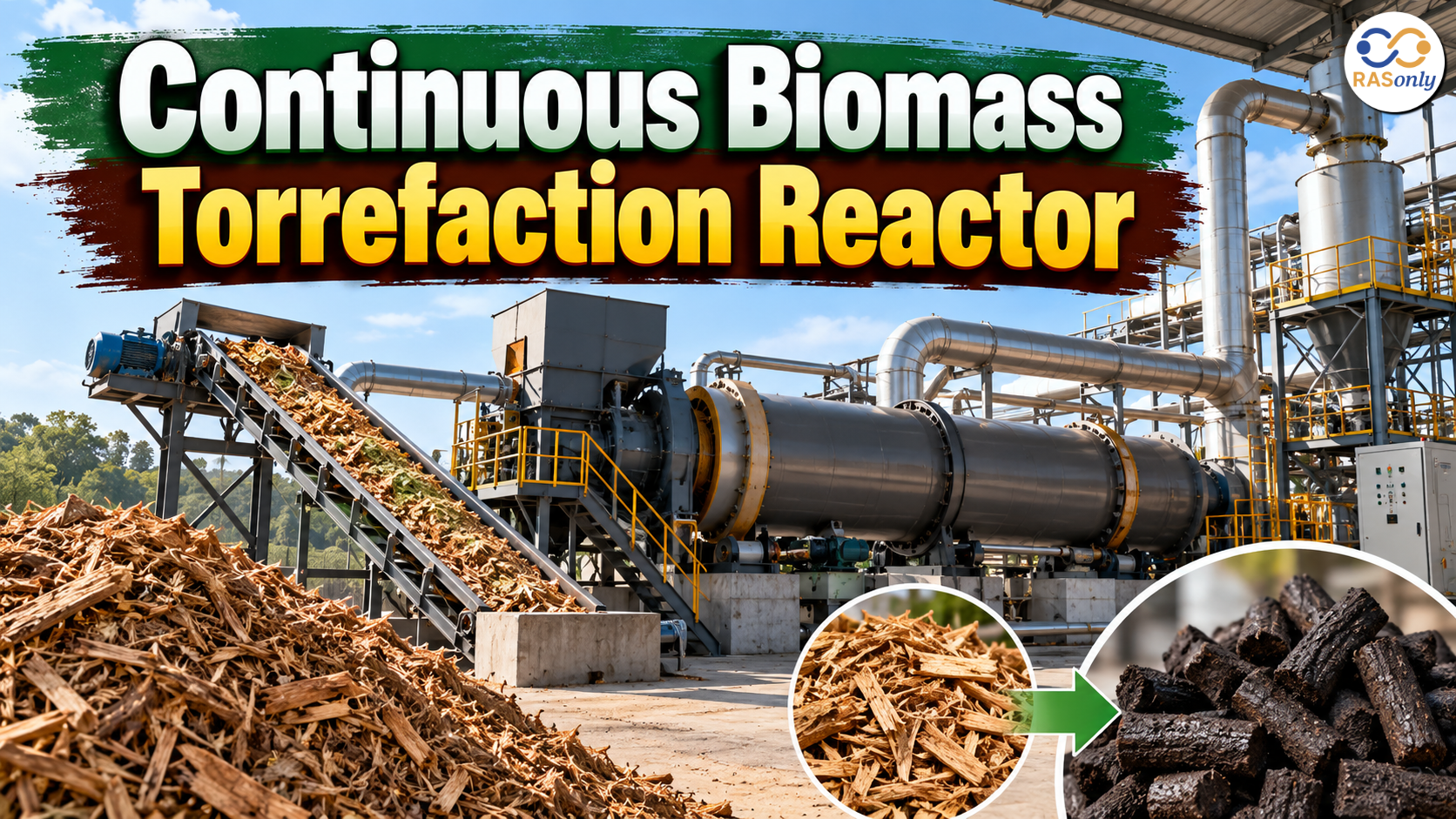
Continuous Biomass Torrefaction Reactor
October 17, 2026
Shri Jaswant Exhibition and Cattle Fair
October 17, 2026
9th Rashtriya Poshan Maah 2026
October 16, 2026