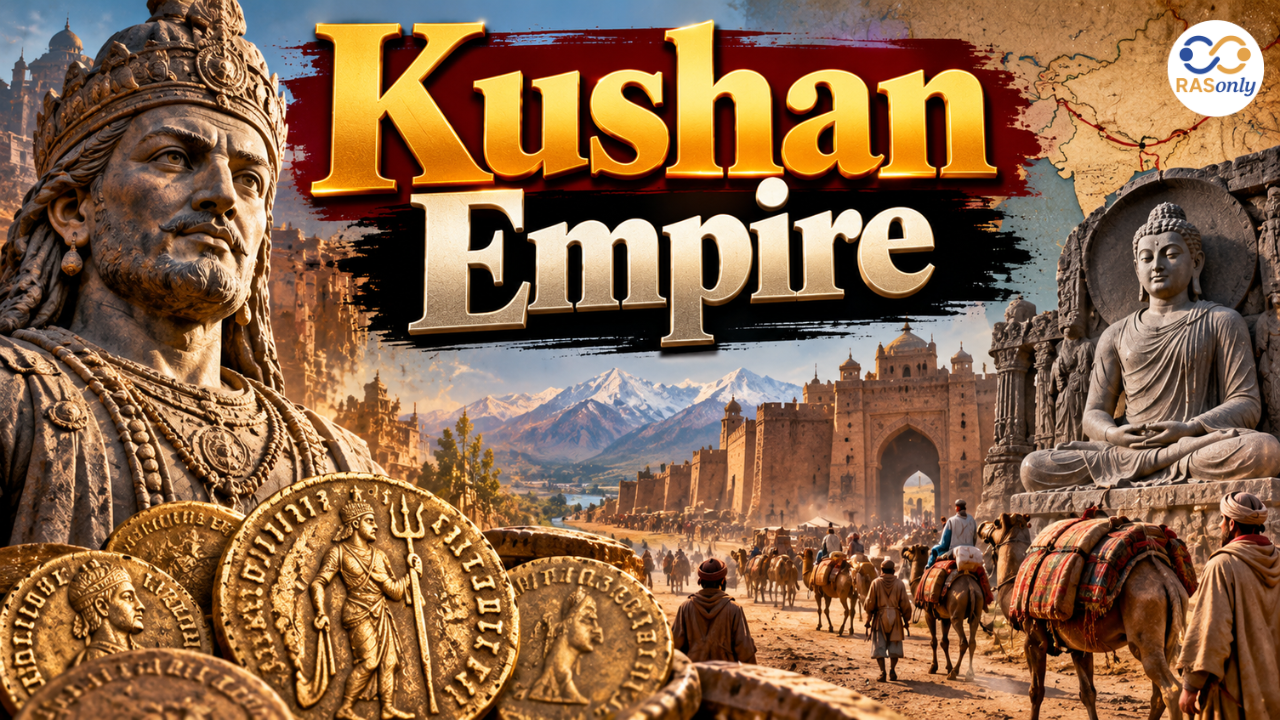
Kushan Empire: History, Rulers, Administration, Economy, Art, Decline
Rajasthan Education Vision 2047 Roadmap

Get in Touch with RASonly!

Rajasthan is transforming its education system under Vision 2047 with inclusive, technology-driven reforms. Aligned with National Education Policy 2020, the roadmap focuses on access, equity and excellence. The state aims to strengthen school, higher, technical and Sanskrit education. Digital learning, research hubs and industry partnerships will drive innovation. By 2047, Rajasthan seeks global standards in education and skill development.

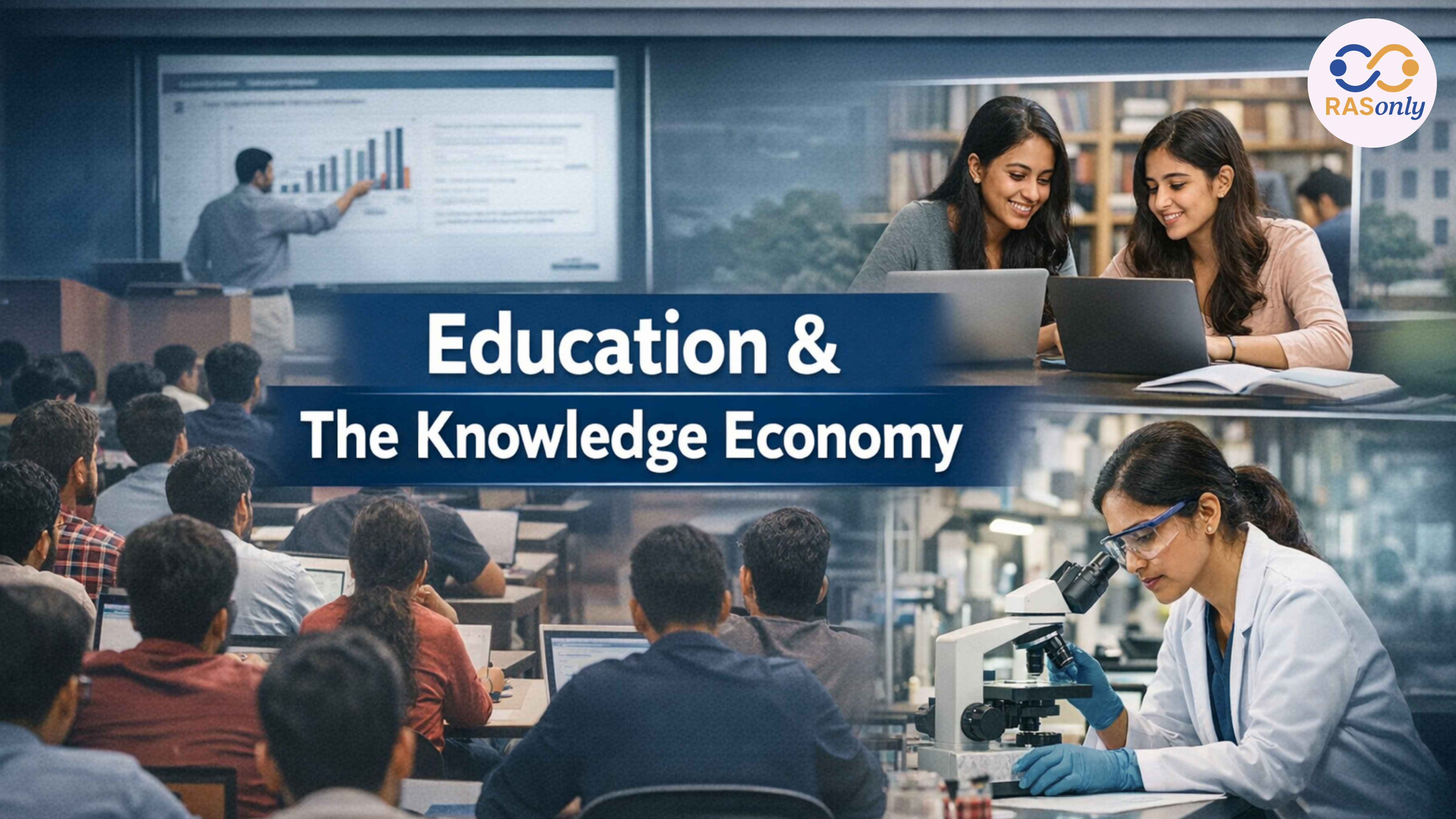
Rajasthan has made significant strides in education, fostering inclusive, high-quality learning from primary to technical education. With unified syllabus reforms, teacher training, digital integration and infrastructure development, the state aims to enhance literacy, skill development and research. Rajasthan ranks fourth in India for the highest number of colleges, with a strong presence in higher, technical, Sanskrit and science education, ensuring global competitiveness and sustainable development.
- 639 PM SHRI Schools,
- 352 Kasturba Gandhi Balika Vidyalaya (KGBVs),
- 3,737 Mahatma Gandhi Govt. School (MGGS)
- 2246 colleges
91 upgraded to post-graduate level in five years
- One college per 2,527 students (higher than the national average)
- 1615 private, 631 government colleges, Including 191 girls colleges
- 98% schools with functional toilets, 92% with drinking water facilities
Vedic Gurukul at Govind Guru Tribal University fosters Vedic studies
Jagadguru Ramanandacharya Rajasthan Sanskrit University promotes Sanskrit education
MBA Institutions:
6 government colleges & 42 private colleges with an admission capacity of around 4,095 students per year. In the year 2024-25 total 2,033 students enrolled in these colleges
Engineering admissions:
20 government & 54 private colleges (27,967 seats)
Polytechnic admissions
48 government 68 private institutes (22,238 seats)
VISION 2047
By 2047, Rajasthan will have a student-centric, inclusive and technology-driven education system, ensuring access, equity and excellence. School and technical education will foster critical thinking, creativity and multidisciplinary learning, equipping students with functional, critical and soft skills.
Sanskrit will be integrated with modern education, preserving cultural heritage. A vibrant science and technology ecosystem will emphasise fun learning, research and innovation, making Rajasthan a hub of knowledge, cutting-edge research and transformative education at par with global standards.
Thrust Areas
Inclusive & High-Quality Education
Rajasthan aims for 100% school enrolment with a strong focus on 21st century skills & vocational training
Teacher Empowerment
Implementing structured training and institutional support to enhance teaching methodologies and student learning outcomes
Smart Infrastructure
Upgrading 10,000+ schools with smart classrooms, digital libraries, and advanced science & computer labs
Digital Transformation
Promoting AI-driven learning platforms, digital books and e-learning modules for personalised education
Career & Skill Development
Implementing project-based learning, science-based education and remote-area technology access to ensure job readiness
Industry-Academia Collaboration
Launching joint research programs, industry-led certification courses and skill-based internships for students
Research & Innovation Hubs
Establishing 50+ incubation centers and technology parks to foster scientific temperament and entrepreneurship
Sustainability & Disaster Preparedness
Integrating climate education into the curriculum and developing green campuses for environmental consciousness
Community Engagement
Strengthening grassroots involvement and public awareness to support student learning and well-being
Global Outreach
Expanding student exchange programs and international collaborations to provide global exposure
School Education
Digital Transformation
Rajasthan is integrating e-learning, smart classrooms and online exams to enhance accessibility, engagement and quality education, ensuring flexible, technology-driven learning for all students.
Policy & Inclusivity Focus
Aligning with NEP 2020, Rajasthan emphasises curriculum reforms, vocational training, teacher development and scholarships, ensuring education accessibility for marginalised communities, including specially abled children.
Enrolment & Dropout Challenges
Despite increased government school enrolment (60% in 2018 to 68.5% in 2022), GER for higher secondary is 62%, with a 7.7% dropout rate.
Skill-Based Education & Community Involvement
Vocational training and industry partnerships equip students with practical skills, while parental engagement and community learning centers enhance student support beyond school hours.
Learning Outcomes & Quality Gaps
Despite high NAS scores, many students fall below grade expectations, highlighting the need for competency-based teaching methods to improve educational effectiveness.
SAMAGRA SHIKSHA (Diagram Labels)
- Quality & Innovation Interventions
- Infrastructure Development Work
- Access & Retention
- NIPUN Bharat Mission
- Early Childhood Care & Education (ECCE)
- Financial Support
- Gender Equality
- Strengthening Teacher Education
- Inclusive Education
- Vocational Education
- ICT & Digital Initiatives
Higher Education
Low Enrolment & Limited Access
Marginalised communities and government school students face barriers in higher education, limiting opportunities in tier I and tier II institutions, impacting career prospects.
Strengthening Education Infrastructure for Global Competitiveness
Rajasthan has significant potential to enhance its education sector by establishing top-tier universities and upgrading infrastructure. Modernising labs, libraries, and classrooms will pave the way for improved education quality and global excellence.
Industry-Academia Collaboration
Strengthening industry partnerships and integrating vocational training with updated curricula can equip graduates with relevant skills and boost employment opportunities.
Vocational & Institutional Development
Strengthening accreditation, integrating vocational training and decentralising administration will enhance institutional quality, ensuring practical and career-focused learning.
Global Competitiveness & Research
Improving research output, fostering international collaborations and enhancing institutional branding will boost Rajasthan's global education rankings and reputation.
Bhamashah Technohub, Jaipur
Sanskrit, Technical Education, Science & Technology
Sanskrit Education
State Initiatives & Curriculum Integration
Rajasthan is promoting Sanskrit through financial incentives, scholarships and its inclusion in school and higher education curricula with modernised textbooks.
Digital & Cultural Advancements
Online courses, apps and cultural programs enhance Sanskrit accessibility, preserving ancient texts while engaging global scholars in research and linguistic studies.
Expanding Career & Research Opportunities
Growing academic collaborations, global interest and professional prospects in academia, translation and heritage management are driving increased student enrolment in Sanskrit education.
Technical Education
Modern Infrastructure & Technology
Upgrading institutions with advanced facilities and emerging technologies like AI, IoT, robotics and renewable energy to enhance learning and research.
Industry Collaboration & Faculty Development
Strengthening industry partnerships for practical training and upskilling educators with modern teaching techniques to improve employability and education quality.
Research & Digital Learning Expansion
Establishing research centers, funding innovation and expanding digital learning through apps, online courses, ICT-equipped libraries and satellite-based education channels.
Science & Technology
Strengthening Research & Club Ecosystem
Creating research hubs and enhancing Science Clubs with models in robotics, space science, energy conservation and IT, reaching students up to 12th grade.
Fun & Practical Science Learning
Establishing Science Parks, Innovation Hubs and mini Science Centers to promote hands-on learning, fostering creativity and innovation among students across Rajasthan.
Digital Education Initiatives
Utilising cutting-edge technology to establish 600 terminals offering video-based curriculum content for NEET, IIT-JEE and CLAT aspirants. These initiatives aim to enhance accessibility to high-quality science education.
STEM Digital Integration & Patent Support
Launching a centralised STEM portal and digital library, along with guidance centers for patents, fostering innovation and intellectual property awareness among students.
Industry-Academia Collaboration & Mobile Science Labs
Establishing industry partnerships and mobile labs to provide students with practical exposure, bridging the gap between academic knowledge and real-world applications.
Goals
School Education
| Indicators | Current Status | Target (2030) | Target (2035) | Target (2040) | Target (2047) |
|---|---|---|---|---|---|
| Gross Enrolment Ratio (Elementary) (%) | 93.6 | 100 | 100 | 100 | 100 |
| Gross Enrolment Ratio (Secondary) (%) | 80.2 | 90.0 | 92.5 | 95.0 | 100 |
| Gross Enrolment Ratio (Higher Secondary) (%) | 62 | 80 | 85 | 90 | 100 |
| Net Enrolment Ratio (Elementary) (%) | 84.5 | 95 | 96 | 98 | 100 |
| Net Enrolment Ratio (Secondary) (%) | 49.1 | 75 | 80 | 90 | 100 |
| Net Enrolment Ratio (Higher Secondary) (%) | 37.4 | 55 | 60 | 70 | >90 |
| Schools with Computers (%) | 52 | 70 | 75 | 85 | 100 |
| Schools with CwSN Friendly Toilets (%) | 19.8 | 50 | 60 | 75 | 100 |
| Schools with Smart Classrooms (%) | 50 | 75 | 80 | 90 | 100 |
| National Achievement Survey (NAS) Class 10 Scores (%) | 45.1 | 90 | 92 | 95 | 100 |
| Dropout Rate (Secondary) (%) | 11.1 | 0 | 0 | 0 | 0 |
Higher Education
| Indicators | Current Status | Target (2030) | Target (2035) | Target (2040) | Target (2047) |
|---|---|---|---|---|---|
| Gross Enrolment Ratio (Tertiary Education) (%) | 29.0 | 40.0 | 45.8 | 54.0 | 60.0 |
| International Students (Number) | 1,114 | 2,500 | 2,850 | 3,200 | 5,000 |
| Gender Parity Index | 0.97 | 1.00 | 1.04 | 1.08 | 1.20 |
| Universities (Number) | 95 | 125 | 132 | 140 | 150 |
Sanskrit Education
| Indicators | Current Status | Target (2030) | Target (2035) | Target (2040) | Target (2047) |
|---|---|---|---|---|---|
| Schools with Sanskrit Curriculum (%) | - | 50 | 58 | 65 | 75 |
| Research Partnerships (Number) | - | 20 | 27 | 35 | 50 |
Goals
Technical Education
| Indicators | Current Status | Target (2030) | Target (2035) | Target (2040) | Target (2047) |
|---|---|---|---|---|---|
| National Board of Accreditation (NBA) Accredited Degree Level Courses (No.) | 25 | 50 | 53 | 56 | 60 |
| Total Polytechnic Colleges (No.) | 116 | 140 | 150 | 165 | 180 |
| Total Engineering Colleges (UG & PG) (No.) | 74 | 85 | 90 | 95 | 100 |
| MBA Institutes (No.) | 48 | 55 | 63 | 73 | 85 |
| ITIs (No.) | 314 | 330 | 340 | 350 | 360 |
| Polytechnic Colleges with CwSN Friendly Toilets (%) | 25 | 50 | 75 | 100 | 100 |
| Gender Parity Index in Diploma Institutes | 0.11 | 0.25 | 0.50 | 0.75 | 1.00 |
| MoUs with Polytechnic Colleges for Industry-Academia Collaboration (No.) | 302 | 350 | 450 | 500 | 600 |
| Faculty Development Programs (No.) | 740 | 900 | 1,100 | 1,300 | 1,500 |
| Placement Ratio of Polytechnic Colleges (%) | 48 | 70 | 80 | 90 | 100 |
Science and Technology
| Indicators | Current Status | Target (2030) | Target (2035) | Target (2040) | Target (2047) |
|---|---|---|---|---|---|
| Schools with Science Clubs (%) | - | 50 | 65 | 80 | 100 |
| Digital Terminals Installed (No.) | - | 600 | 750 | 900 | 1,000 |
Mid-Term Action Plan
Implement NEP 2020 Reforms
Revamp school curriculum, introduce semester systems and adopt Credit Bank System, ensuring alignment with National Education Policy 2020.
Restructure School Education Model
Transition to the 5+3+3+4 system, integrating early childhood education and foundational literacy to improve learning outcomes.
Expand School Accessibility
Upgrade primary to secondary schools, prioritise Aspirational Districts and strengthen career guidance for students.
Strengthen Vocational Education
Ensure all students from grades 8-12 gain exposure to vocational training, enhancing employability and career readiness.
Enhance Digital & AI-Based Learning
Introduce AI, quantum computing and EdTech tools in curriculum for personalised and project-based learning experiences.
Improve Teacher Training & Development
Launch pre-service and in-service training reforms to equip educators with innovative pedagogical and technological skills.
Ensure Equitable & Inclusive Education
Provide quality education for girls, CwSN and socio-economically disadvantaged groups with tailored learning resources.
Foundational Learning Mission
Achieve 100% literacy and numeracy proficiency by Grade 3 through focused interventions and community participation.
Effective monitoring through OCR
Strengthen outcome-based review to track progress, improve teaching and bridge learning gaps.
Enhance Student Health & Well-Being
Achieve 100% health screening under RBSK and integrate digital health records for real-time student monitoring.
Integrate physical activity, yoga and sports
Encourage district specific sports, nurture local talent and strengthen partnerships through a school sports excellence Program.
Develop World-Class Higher Education Infrastructure
Establish state-of-the-art classrooms, digital libraries, smart campuses and research centers to enhance learning and research quality.
Expand International Collaborations
Establish student exchange programs, global academic partnerships and international research initiatives to boost exposure and innovation.
Strengthen Industry-Academia Linkages
Develop industry-driven certification programs, internships and research partnerships for practical skill development and job readiness.
Enhance Research & Innovation Ecosystem
Set up dedicated research centers, secure global funding and encourage high-impact research publications and conferences.
Modernise Technical Education
pgrade infrastructure, integrate interdisciplinary curriculum and introduce apprenticeship programs for hands-on industry experience.
Implement Digital Transformation
Establish a unified digital STEM portal, virtual labs and SATCOM systems to improve access to quality education.
Revitalise Sanskrit Education
Digitise Sanskrit learning, train 50% of teachers in modern pedagogy and launch 50 rural Sanskrit learning programs.
Promote Science & Technology Learning
Establish Science Parks, Innovation Hubs and Thematic Science Galleries to foster interactive and hands-on STEM education.
Support Patent & IP Development
Provide guidance and resources for students to pursue patents, strengthening Rajasthan's innovation and entrepreneurship landscape.
Integrate Climate & Sustainability Education
Introduce climate change, disaster management and sustainability modules into school and higher education curricula.
Enhance Governance & Accountability
Implement school accreditation systems, digitise MIS tracking for student progress and ensure data-driven decision-making.
Strengthen Parent & Community Engagement
Encourage parent-led accountability, school choice participation and grassroots involvement in education improvement initiatives.
Regulate Private Education for a Fairer Future
Regulate private school and coaching institutes to ensure fair practices, transparency and accountability in education.
Long-Term Action Plan
Universal Education Access
Ensure 100% enrolment by eliminating education gaps through inclusive policies, robust infrastructure and digital learning platforms.
School Infrastructure Expansion
Ensure access to a neighbourhood school in every habitation, ensuring adequate facilities, teacher availability and smart classrooms.
Smart Learning Ecosystem
Implement AI-driven personalised education, immersive VR/AR content and adaptive assessment tools for enhanced learning outcomes.
Statewide Uniform Curriculum
Standardise syllabus across Rajasthan for consistency while integrating local culture, industry needs and global best practices.
Decentralised Governance
Empower school heads with financial autonomy, outcome-based incentives and participatory management via School Management Committees.
Pre-Primary Education for All
Integrate Anganwadi centers with schools, ensuring universal early childhood education access and quality teacher training.
Technology-Driven Education
Establish digital classrooms, AI-based analytics and adaptive learning to personalise education for every student.
Career Guidance & Vocational Training
Set up career counselling centers and introduce market-aligned skill programs in every secondary school.
Integrated Student Services
Merge Shala Darpan, Pehchan and ICDS portals for real-time student health, attendance and learning progress tracking.
Mental Wellness for All
Implementing mental health counselling and awareness programs in schools, colleges and coaching centers to promote early support.
Employment-Ready Graduates
Embedding skill-based certifications, apprenticeships and industry collaborations for a 70% employment rate post-education.
Leadership & Innovation Programs
Launch leadership training, start-up incubators and research hubs to nurture future entrepreneurs and problem solvers.
Global Education Standards
Improve Rajasthan's institutions' global rankings through research collaborations, faculty development and academic excellence.
Sustainable & Smart Campuses
Develop eco-friendly campuses with energy-efficient buildings, waste management and green initiatives.
EdTech & Digital Learning
Provide free digital access to quality educational content, ensuring equitable learning opportunities across rural and urban areas.
Gender Parity & Women Empowerment
Ensure 50% female enrolment in technical fields, scholarships, self-defence training and leadership programs.
Sanskrit & Cultural Education
Position Rajasthan as a global hub for Sanskrit research, modern pedagogy and digital Sanskrit learning platforms.
STEM & Research Promotion
Establish Science Clubs in all schools, fostering innovation, AI, robotics, space science and sustainability projects.
Faculty Development & Training
Implement continuous professional development, AICTE-backed training and advanced teaching methodologies.
Global Recognition & Tech Hub
Position Rajasthan as a leading education and technology hub with world-class universities and international research collaborations.
This roadmap aligns with NEP 2020 and aims for a transformed Rajasthan education sector by 2047.
BEST SELLER
🏆 PRELIMS
RAS Pass
Prelims focused Hindi & English
₹399
✓
Prelims Topic-Wise Tests
✓
Subject-Wise Tests
✓
Full-Length Prelims Tests
✓
Daily Current Affairs Tests
✓
Prelims PYQs Tests
✓
Detailed Solutions & Analysis
✓
All Rajasthan Ranking
✓
Unlimited Reattempts
✓
Mains Tests
✓
Hindi & English Tests
✓
All Rajasthan Ranking
Trusted by 5,000+ Students
Post Category
- RAS Salary
- Result
- RAS Admit Card
- RAS Job
- RAS Cutoff
- Preparation Tips
- RAS Answer Key
- RAS Exam Analysis
- RAS Syllabus
- RAS Previous Year Papers
- RPSC RAS Exam Pattern
- RAS Interview
- RAS Exam Date
- RAS Vacancy
- RAS Test Series
- RAS Best Books
- RAS Preparation Resources
- RAS Coaching Centre
- History
- Polity
- Geography
- Economics
- Science
- Art and Culture
- RPSC RAS Application Form
- RPSC RAS Notification
- RAS Eligibility Criteria
- UPSC Exam
- RPSC RAS Mains
Visit Our RASonly Offline Center
Our Expert Faculty

Bhunesh Sir
Current Affairs · 13+ Yrs

Aamir Khan Sir
RAS-2017 · IIM Ahm.

Akash Sir
Polity · 8+ Yrs
Free Resources
Official Mobile App

RASOnly App
by OTSAdda · Free
Full Video Lectures
Mock Tests & PYQs
Daily Current Affairs
AI Mock Interview
Free Download · No subscription needed to install
RAS 2024 Toppers — RASonly
Rank 2
Virendra Charan
Rank 9
Bhoopinder Singh
Rank 26
Aanchal Nagpal
Rank 33
Lokendra Singh
Rank 45
Amar Rathore
Rank 46
Manasvini Verma

Join RASonly WhatsApp Community
Get daily current affairs, exam alerts, free study material and tips from expert faculty — right on WhatsApp.
Join for Free →RASonly Interview Guidance Program

Mr. Ashok Jain
Ex-Chief Secretary Govt of Rajasthan
- IAS officer of the 1981 batch, Rajasthan cadre.
- Passionate about mentoring the next generation of RAS officers with real-world insights.
- Got retired in Dec 2017 from the post of Chief Secretary of the state of Rajasthan.

Mr. Guru Charan Rai
Ex-ASP / SP in Jaisalmer
- Guru Charan Rai, IPS (Retd), retired as Inspector General of Police (Security), Rajasthan, Jaipur in 2017.
- Served as ASP and SP in Jaisalmer, Nagaur, Sri Ganganagar, Sawai Madhopur, Dausa, Sikar, and Karauli.
- He also held key positions as DIGP and IGP in the Law and Order division.

Mr. Rakesh Verma
Ex-IAS Officer, B.Tech, MBA, and M.A. (Economics)
- IAS officer of the 1981 batch and retired in Chief Secretary Rank.
- Civil servant of high repute and vast experience.
- Has been teaching UPSC CSE subjects for the last six years.

Daily Current Affairs for RAS Exam Preparation 2026
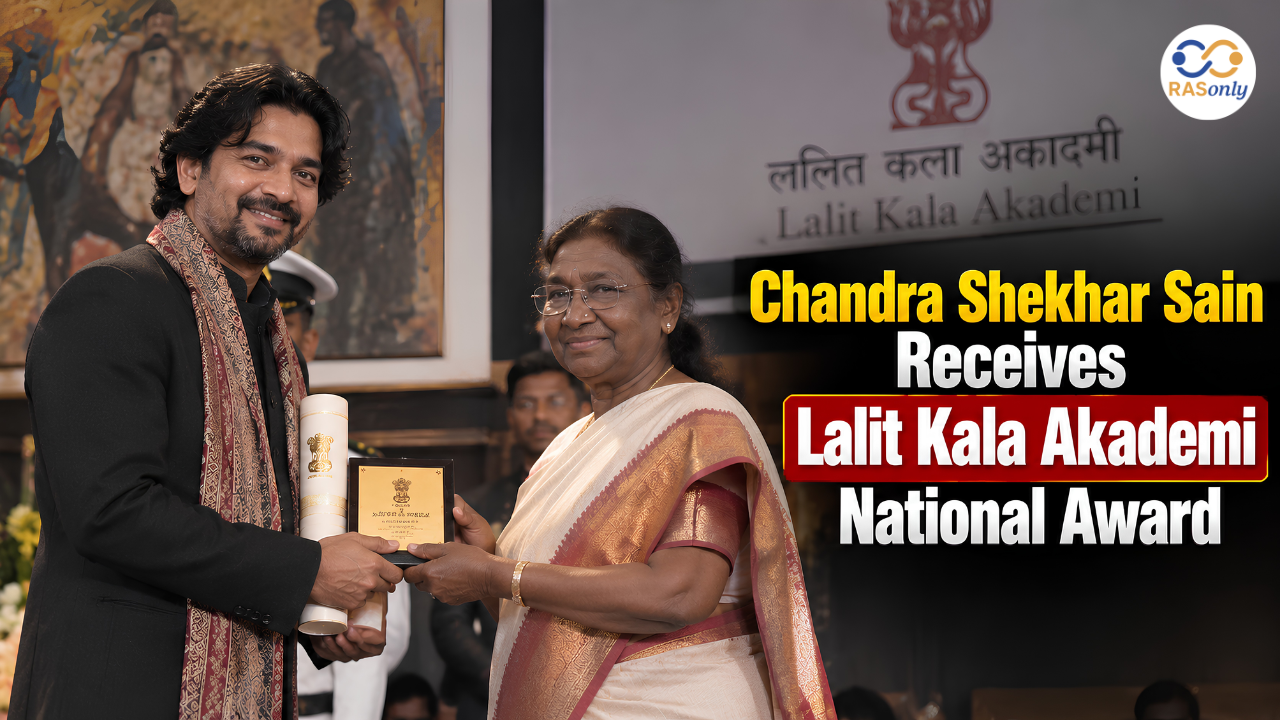
Chandra Shekhar Sain Receives Lalit Kala Akademi National Award
October 01, 2026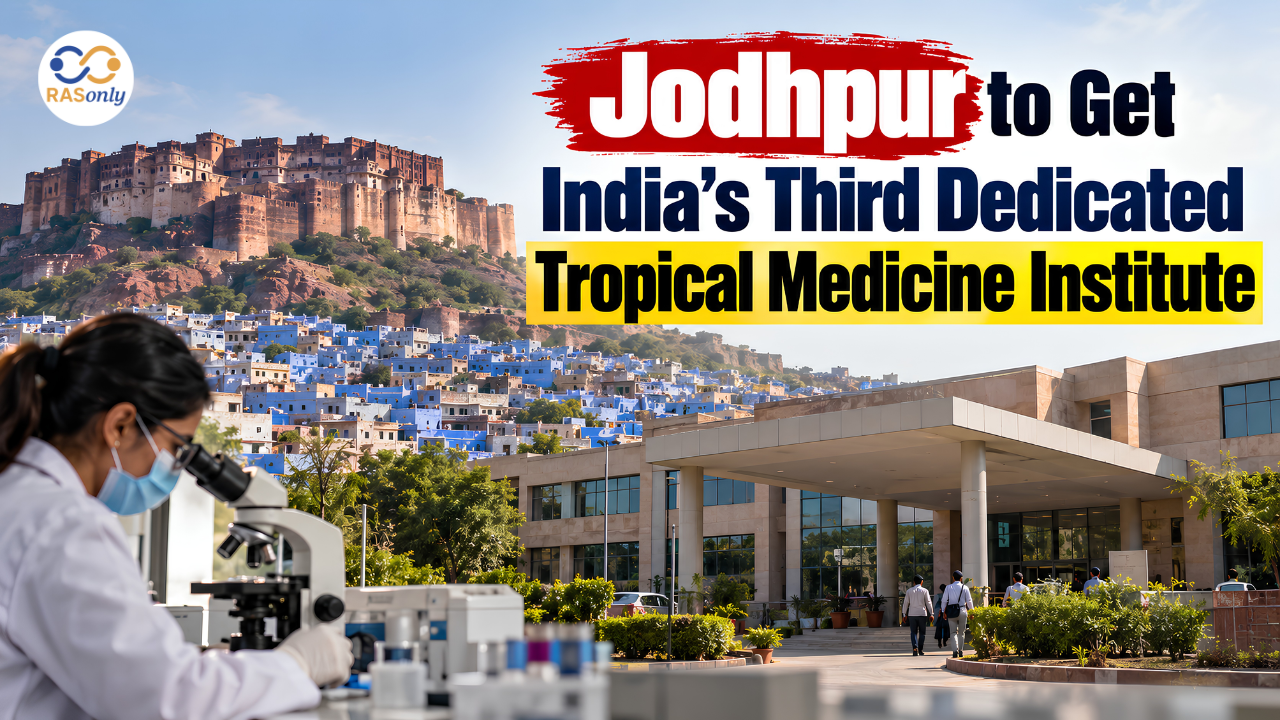
Jodhpur to Get India’s Third Dedicated Tropical Medicine Institute
October 01, 2026
Establishment of the Aesthetic Office
September 30, 2026