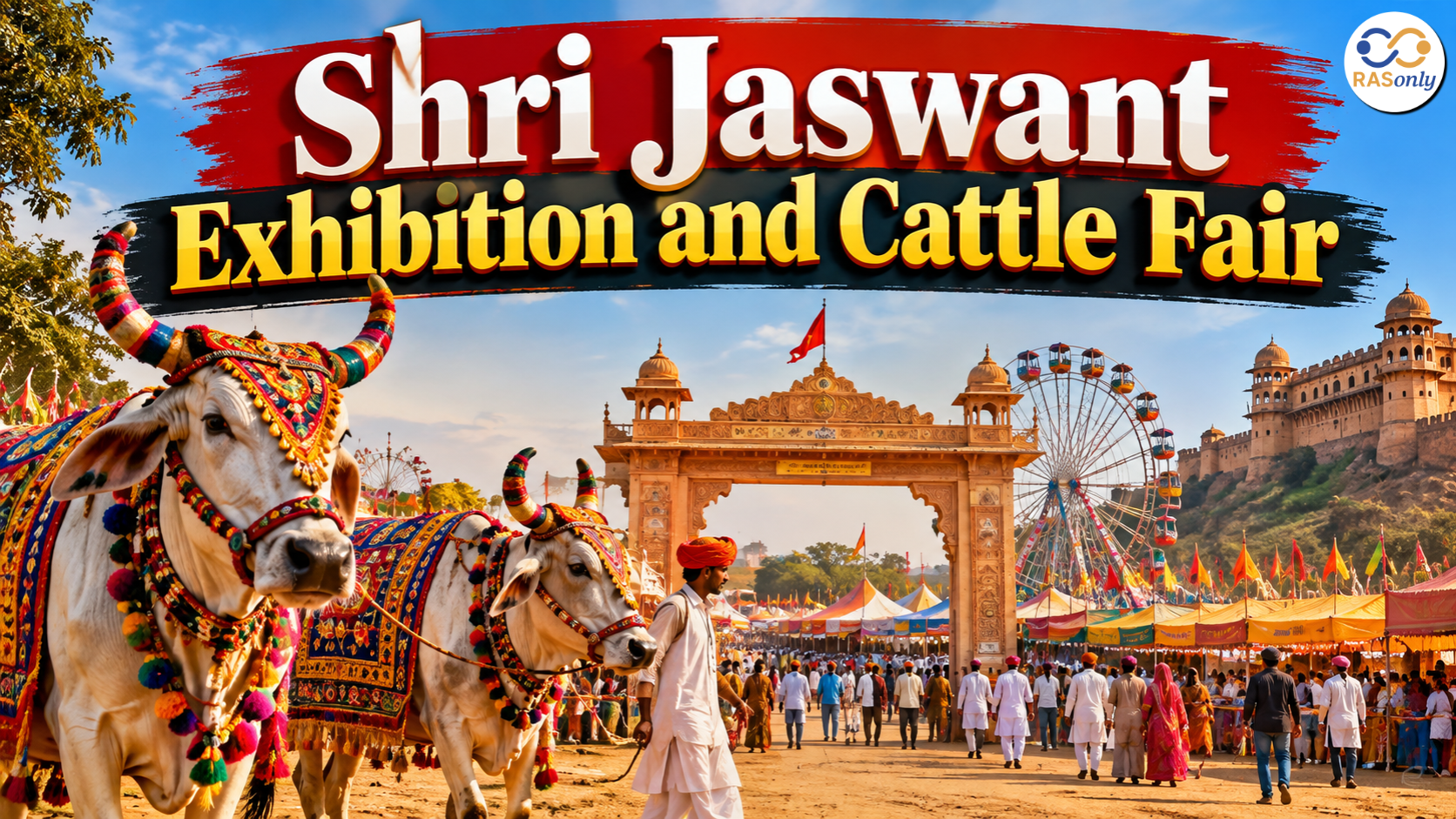
Chola Dynasty: Capital, Founder, Kings, Time Period and History
Rajasthan Geography Topic-wise Questions & MCQs for RAS 2026 Prelims and Mains Preparation

Get in Touch with RASonly!

Practice Rajasthan Geography topic-wise questions for RAS 2026 with important MCQs and exam-focused coverage based on the latest RPSC syllabus. This helps improve your concept clarity, accuracy, and understanding of key topics like physical features, climate, and rivers. Stay consistent with practice and revision to strengthen your preparation and perform better in the RAS exam.

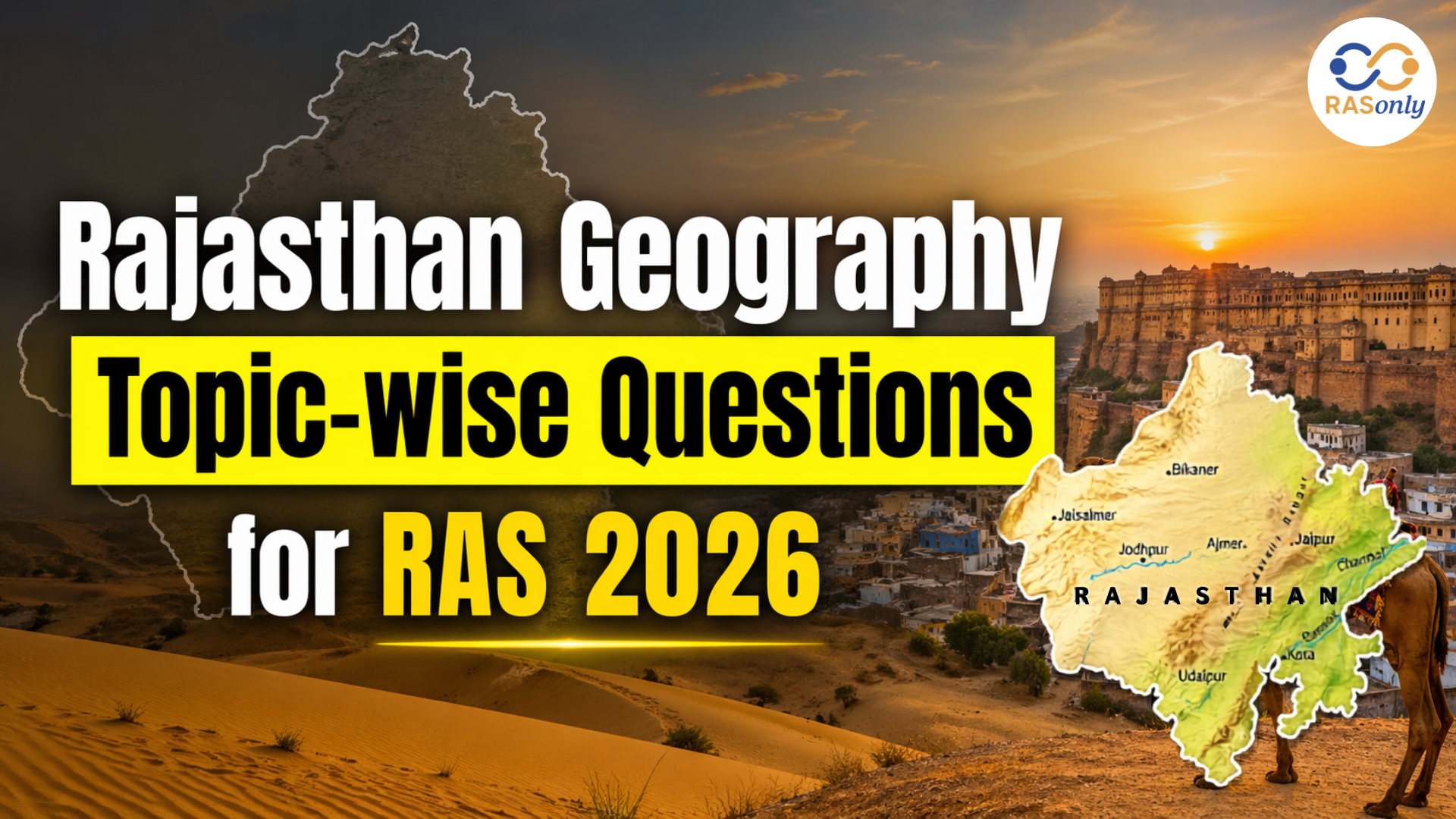
Rajasthan Geography is a key part of RAS 2026 preparation and plays an important role in both Prelims and Mains. Topics like physical features, climate, rivers, soils, and natural resources are regularly asked in the exam, so having clear concepts is essential. Practicing Rajasthan Geography topic-wise questions and RAS Geography MCQs helps you understand these topics better, improves accuracy, and builds confidence for the exam.
Covering Rajasthan Geography in a structured, topic-wise manner helps you focus on important areas and revise more effectively. With a clear understanding of concepts and regular practice of RAS Geography MCQs and PYQs, you can strengthen your preparation, improve speed, and stay aligned with the latest RPSC exam pattern for better results.
Why Rajasthan Geography is Important for RAS 2026
Rajasthan Geography plays a crucial role in the RAS exam, as a significant number of questions are asked from this section every year. The subject is scoring if prepared properly, as most questions are concept-based and predictable.
Important areas frequently asked in RAS include:
- Physical features of Rajasthan
- Climate and rainfall patterns
- Rivers and drainage system
- Soils and agriculture geography
- Minerals and natural resources
- National parks and wildlife
Practicing Rajasthan Geography MCQs regularly helps you understand patterns and improve accuracy.
Rajasthan Geography Syllabus for RAS (Detailed Breakdown)
A clear understanding of the Rajasthan Geography syllabus helps you focus on the most important topics for RAS 2026. It covers key areas like physical features, climate, rivers, soils, minerals, and wildlife, which are frequently asked in both Prelims and Mains. Preparing these topics in a structured way improves concept clarity and helps you perform better in Rajasthan Geography questions and RAS Geography MCQs.
Core Topics Covered
| Topic | Key Areas |
|---|---|
| Physical Features | Aravali Range, Desert |
| Climate | Temperature, rainfall |
| Rivers | Drainage system |
| Soils | Types and distribution |
| Minerals | Resources and locations |
| Agriculture | Crop patterns |
| Wildlife | National parks, sanctuaries |
Detailed Topic-wise Coverage
Preparing Rajasthan Geography in a topic-wise manner helps you stay focused on important areas and makes revision much easier. This approach improves your concept clarity and helps you perform better in RAS Geography MCQs and exam-based questions.
1. Physical Features of Rajasthan
Physical features form the foundation of Rajasthan's geography and are frequently asked in the RAS exam. Understanding regions like the Aravali Range and the Thar Desert is important for solving both conceptual and map-based questions.
Important areas:
- Aravali Range
- Thar Desert
- Eastern Plains
- Plateau region
Questions are often asked about location, features, and regional divisions.
2. Climate of Rajasthan
Climate is a high-weightage topic as it directly influences agriculture and living conditions in the state. Questions are usually based on rainfall patterns, temperature variation, and monsoon behavior.
Focus areas:
- Temperature variations
- Rainfall distribution
- Monsoon patterns
- Drought conditions
Questions are mostly conceptual and location-based.
3. Rivers and Drainage System
Rivers and drainage systems are important for understanding water availability and the geography of Rajasthan. Topics like the Chambal and Luni rivers are commonly asked in exams.
Important topics:
- Luni River
- Chambal River
- Inland drainage system
- Seasonal rivers
Questions are often map-based or concept-based.
4. Soils of Rajasthan
Soil types are closely linked with agriculture and land use, making this topic important for RAS preparation. Questions often focus on soil characteristics and distribution.
Focus areas:
- Desert soil
- Black soil
- Alluvial soil
- Soil distribution
Questions are mostly factual with some conceptual understanding.
5. Minerals and Resources
Rajasthan is rich in mineral resources, and this topic is frequently covered in RAS exams. Understanding mineral types and their locations is important for solving MCQs.
Important areas:
- Marble, limestone, gypsum
- Mineral distribution
- Mining regions
Questions are commonly asked in RAS Geography MCQs.
6. Agriculture of Rajasthan (Geography Perspective)
Agriculture is closely connected with climate and soil, making it an important part of geography. Questions are often based on crop patterns and irrigation systems.
Focus areas:
- Crop patterns
- Irrigation
- Agro-climatic zones
7. National Parks & Wildlife
National parks and wildlife are important for Prelims, with many questions based on locations and features. This section is mostly factual but easy to score with proper revision.
Important areas:
- Ranthambore National Park
- Sariska Tiger Reserve
- Desert National Park
- Wildlife sanctuaries
Questions are mostly factual and location-based.
Rajasthan Geography MCQs for RAS 2026
Practicing Rajasthan Geography MCQs regularly is one of the most effective ways to strengthen your preparation for RAS 2026. These questions are based on important topics from the latest RPSC syllabus and help you improve accuracy, speed, and concept clarity. Solving topic-wise MCQs also helps you understand the exam pattern and identify key areas that are frequently asked in both Prelims and Mains.
Rajasthan Geography Quiz
Q1. Aravali Range runs in which direction?
Q2. Thar Desert is located in which part of Rajasthan?
Q3. Which river is known as the lifeline of Rajasthan?
Q4. Which soil is most common in desert areas?
Q5. Rajasthan receives rainfall mainly from:
Q6. Luni River flows into:
Q7. Rajasthan is rich in which mineral?
Q8. Ranthambore is famous for:
Q9. Which region has highest rainfall in Rajasthan?
Q10. Which river is perennial?
Q11. Aravali Range divides Rajasthan into:
Q12. Desert National Park is located in:
Q13. Black soil is suitable for:
Q14. Which river is tributary of Chambal?
Q15. Rajasthan climate is mainly:
Q16. Sariska Reserve is located in:
Q17. Most irrigation depends on:
Q18. Chambal River flows into:
Q19. Highest peak of Aravali is:
Q20. Rajasthan is largest producer of:
How to Prepare Rajasthan Geography for RAS 2026
Preparing Rajasthan Geography effectively requires a mix of concept clarity, map understanding, and regular practice. Focusing on important topics and solving RAS Geography MCQs along with PYQs will help you improve accuracy and stay aligned with the latest RPSC exam pattern.
Follow this approach:
- Start with basic concepts and maps
- Practice topic-wise MCQs
- Revise regularly
- Focus on PYQs
- Link concepts with current affairs
Quick Revision Table
Quick revision is essential to retain important concepts, especially before the exam. Use this table to revise key areas of Rajasthan Geography in a short time.
| Area | Focus |
|---|---|
| Physical | Aravali, Desert |
| Climate | Rainfall |
| Rivers | Chambal, Luni |
| Soil | Types |
| Minerals | Marble |
Final Strategy for RAS 2026
Rajasthan Geography can be a scoring subject if you prepare it with consistency and the right strategy. Regular revision, strong concepts, and continuous MCQ practice will help you perform well in both Prelims and Mains.
Focus on:
- Concept clarity
- Map-based understanding
- Regular MCQ practice
- PYQ analysis
Conclusion
Rajasthan Geography is one of the most important and scoring sections for RAS 2026 if prepared with the right strategy. By focusing on key topics like physical features, climate, rivers, soils, and wildlife, and practicing Rajasthan Geography MCQs, you can build strong conceptual clarity and improve your performance in both Prelims and Mains. Consistent revision, map-based understanding, and solving topic-wise RAS Geography questions will help you stay confident and aligned with the latest RPSC exam pattern. With regular practice and a structured approach, Rajasthan Geography can become one of your strongest subjects in the exam.
FAQ
Yes, it is a high-weightage subject and questions are asked every year in both Prelims and Mains.
Focus on concepts, practice MCQs regularly, and revise maps and important topics.
Yes, the questions are aligned with the latest RPSC syllabus and exam pattern.
Practicing 20–30 Rajasthan Geography MCQs daily is enough for consistent improvement.
Physical features, climate, rivers, soils, minerals, and national parks are the most important topics.

BEST SELLER
🏆 PRELIMS
RAS Pass
Prelims focused Hindi & English
₹399
✓
Prelims Topic-Wise Tests
✓
Subject-Wise Tests
✓
Full-Length Prelims Tests
✓
Daily Current Affairs Tests
✓
Prelims PYQs Tests
✓
Detailed Solutions & Analysis
✓
All Rajasthan Ranking
✓
Unlimited Reattempts
✓
Mains Tests
✓
Hindi & English Tests
✓
All Rajasthan Ranking
Trusted by 5,000+ Students

Post Category
- RAS Salary
- Result
- RAS Admit Card
- RAS Job
- RAS Cutoff
- Preparation Tips
- RAS Answer Key
- RAS Exam Analysis
- RAS Syllabus
- RAS Previous Year Papers
- RPSC RAS Exam Pattern
- RAS Interview
- RAS Exam Date
- RAS Vacancy
- RAS Test Series
- RAS Best Books
- RAS Preparation Resources
- RAS Coaching Centre
- History
- Polity
- Geography
- Economics
- Science
- Art and Culture
- RPSC RAS Application Form
- RPSC RAS Notification
- RAS Eligibility Criteria
- UPSC Exam
- RPSC RAS Mains
Visit Our RASonly Offline Center
Our Expert Faculty

Bhunesh Sir
Current Affairs · 13+ Yrs

Aamir Khan Sir
RAS-2017 · IIM Ahm.

Akash Sir
Polity · 8+ Yrs
Free Resources
Official Mobile App

RASOnly App
by OTSAdda · Free
Full Video Lectures
Mock Tests & PYQs
Daily Current Affairs
AI Mock Interview
Free Download · No subscription needed to install
RAS 2024 Toppers — RASonly
Rank 2
Virendra Charan
Rank 9
Bhoopinder Singh
Rank 26
Aanchal Nagpal
Rank 33
Lokendra Singh
Rank 45
Amar Rathore
Rank 46
Manasvini Verma

Join RASonly WhatsApp Community
Get daily current affairs, exam alerts, free study material and tips from expert faculty — right on WhatsApp.
Join for Free →RASonly Interview Guidance Program

Mr. Ashok Jain
Ex-Chief Secretary Govt of Rajasthan
- IAS officer of the 1981 batch, Rajasthan cadre.
- Passionate about mentoring the next generation of RAS officers with real-world insights.
- Got retired in Dec 2017 from the post of Chief Secretary of the state of Rajasthan.

Mr. Guru Charan Rai
Ex-ASP / SP in Jaisalmer
- Guru Charan Rai, IPS (Retd), retired as Inspector General of Police (Security), Rajasthan, Jaipur in 2017.
- Served as ASP and SP in Jaisalmer, Nagaur, Sri Ganganagar, Sawai Madhopur, Dausa, Sikar, and Karauli.
- He also held key positions as DIGP and IGP in the Law and Order division.

Mr. Rakesh Verma
Ex-IAS Officer, B.Tech, MBA, and M.A. (Economics)
- IAS officer of the 1981 batch and retired in Chief Secretary Rank.
- Civil servant of high repute and vast experience.
- Has been teaching UPSC CSE subjects for the last six years.
Related Post

Daily Current Affairs for RAS Exam Preparation 2026
Rajasthan’s First Sitaphal Processing Unit in Chittorgarh
October 19, 2026
Rajasthan Foundation Expansion New Chapters Announced
October 19, 2026
Continuous Biomass Torrefaction Reactor
October 17, 2026